Prevention

#Prevention - Page 3

Continue exploring articles tagged with Prevention

Flood-Proof Floors That Lower Insurance Claims

Examine 2026 innovations in flood-resistant flooring that shield properties from water intrusion, decrease insurance claims, and enhance interior aesthetics. Options such as rigid core vinyl and sealed concrete endure moisture while preserving visual elegance. Identify selections that offer superior longevity, minimize restoration expenses, and sustain home allure post-flood.

5 min read
By Kelly Alyse

Smart Water Diversion Stops Yard Flooding Fast

Convert a flood-vulnerable yard into a resilient space using 2026's advanced water diversion approaches. This guide covers drainage assessment, selection of efficient solutions such as French drains and rain gardens, and guidance on whether to undertake projects independently or engage professionals. Safeguard your foundation, enhance property worth, and cultivate a durable, weather-resistant outdoor environment throughout the seasons.

4 min read
By Stacy Cadri

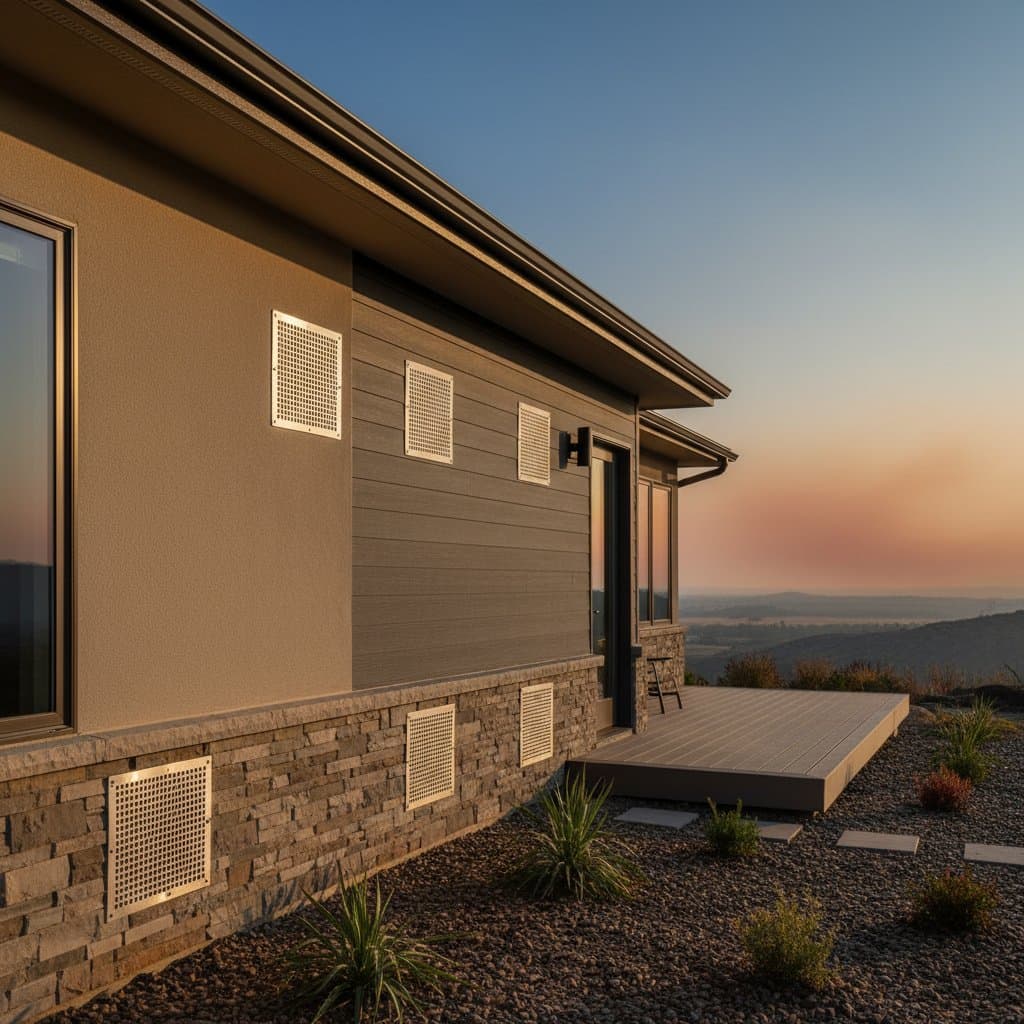
Embers Travel Miles: Harden Vents Before Spring Fires

Wildfire embers can ignite homes miles from the main fire front. This comprehensive guide details strategies to strengthen your home with ember-resistant vents, durable noncombustible materials, and optimized ventilation. Discover practical upgrades, ongoing maintenance tips, and regulatory compliance steps to boost protection, energy savings, and long-term resilience amid escalating wildfire risks and updating codes.

4 min read
By Charlie McCann

Smart Sump Pumps Now Predict Floods Before They Start

Smart sump pumps revolutionize basement protection through intelligent sensors, remote access, and automated cleaning. Delivering silent operation, superior energy savings, and dependable flood defense, these systems provide predictive alerts, redundant power sources, and wireless integration. Homeowners secure tranquility, swift notifications, and enduring cost reductions, elevating 2026 residential flood resilience.

4 min read
By Kelly Alyse

Rebuild Smart to Stop Mold Before It Starts

Rebuilding after a flood requires more than restoration; it demands proactive choices to prevent mold and water damage. Select water-resistant materials such as cement board, closed-cell insulation, and waterproof flooring to enhance durability, reduce energy costs, and lower insurance premiums for long-term protection.

5 min read
By Stacy Cadri

Spring Roof Check Prevents $15K in Water Damage

Spring offers the perfect opportunity to examine your roof for winter-induced issues before they escalate into major expenses. This detailed 10-point checklist provides both DIY techniques and professional recommendations to prolong roof longevity, avert leaks, and preserve your property's worth, potentially saving thousands via proactive upkeep and seasonal vigilance.

5 min read
By Stacy Cadri

Basement Waterproofing Costs $3K-$10K in 2025

In 2025, basement waterproofing costs typically range from $3,000 to $10,000, depending on the method and scope. This guide covers essential strategies to maintain a dry basement, compares interior and exterior approaches, shares cost-saving techniques, and explains when professional intervention is crucial for long-term home protection and increased resale value.

6 min read
By Becca Roberts

Mold Costs $10-25 Per Square Foot in 2025

Mold remediation costs in 2025 typically range from $1,200 to $7,000, influenced by the extent of infestation, affected materials, and necessary repairs. Prompt action, moisture source elimination, and decisions between DIY efforts or professional services can reduce expenses significantly. This guide details cost components, prevention methods, and strategies to maintain home value, resident health, and energy efficiency.

4 min read
By Stacy Cadri

Moisture Mapping Stops Mold Before It Starts

Moisture mapping employs advanced sensors and thermal imaging to uncover concealed dampness prior to mold formation. This method identifies leaks hidden behind walls or beneath floors, thereby safeguarding your home's structure, indoor air quality, and overall value. Understand how this non-invasive approach averts expensive repairs and maintains healthy, dry living environments.

5 min read
By Kelly Alyse