Why 2026 Building Codes Prevent Mold in Flood-Damaged Homes
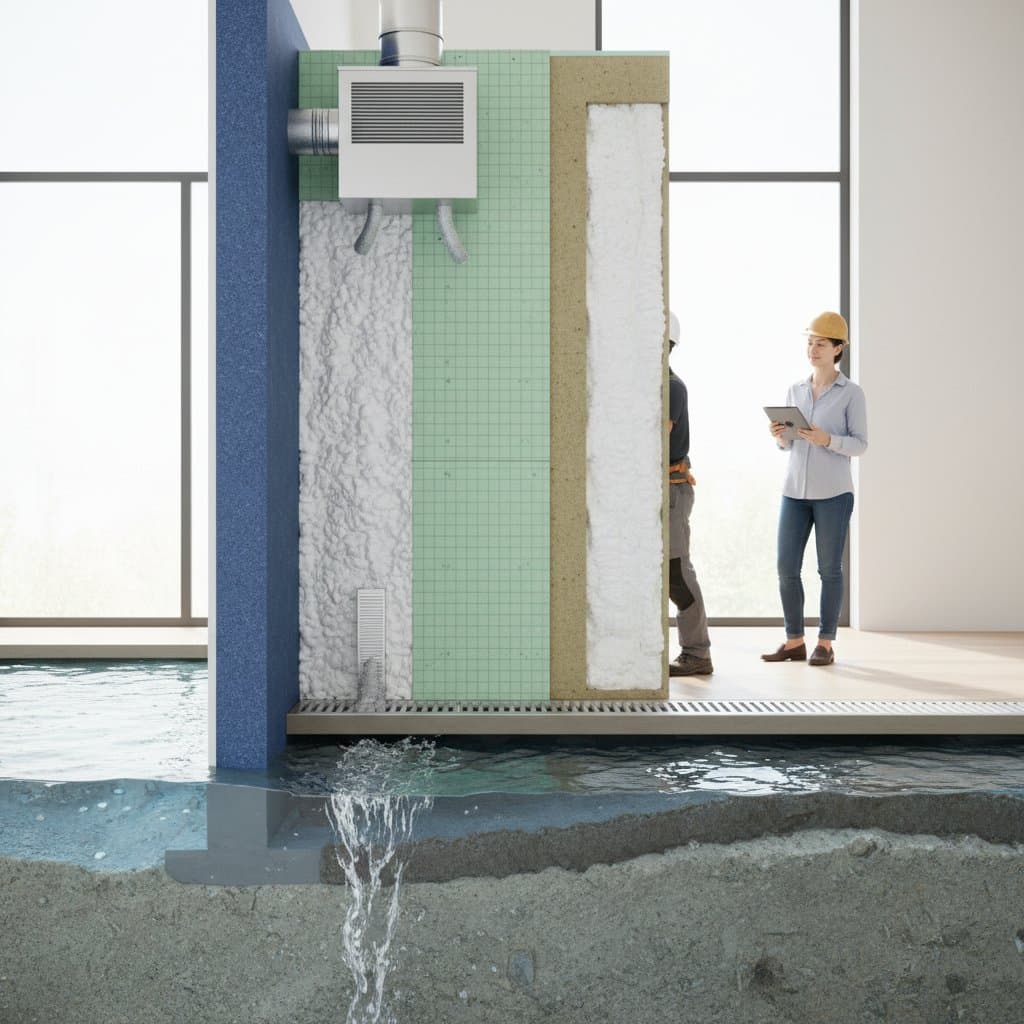
Homeownership in flood-prone regions offers serenity alongside inherent risks. Proximity to water provides enjoyment, yet severe weather events introduce threats of water intrusion. Floods inflict substantial structural harm, with mold emerging as a persistent, concealed peril. Recent building code updates elevate standards for moisture management, incorporating superior materials, enhanced construction methods, and advanced drainage solutions to halt mold development post-flood.
This article explains these code revisions, highlights the severity of mold risks, and provides strategies to integrate protections into existing properties.
The Process of Mold Formation After Flooding
Floodwaters introduce contaminants beyond visible debris, including organic substances such as soil and vegetation that nourish mold spores. As water subsides, residual moisture on surfaces fosters ideal conditions for spore proliferation. Mold thrives in environments combining humidity, moderate temperatures, and nutrient availability.
Materials like drywall, insulation, carpeting, and lumber prove particularly susceptible due to their absorbency. Mold infiltration occurs swiftly, penetrating behind walls or beneath floors. Consequences extend to structural degradation, foul smells, visible blemishes, and health risks including respiratory distress, allergies, and exacerbation of chronic ailments.
Proactive measures surpass remediation efforts in efficiency. Current codes prioritize resilient materials and preparatory designs to interrupt this progression at its onset.
Identifying Initial Indicators of Mold Growth
Vigilance remains essential despite robust safeguards. Prompt recognition post-flood averts escalation from minor concerns to extensive overhauls. Key signals include:
- Musty smells, particularly in basements or enclosed spaces.
- Surface discoloration on walls, ceilings, or trim.
- Paint flaking or drywall swelling, signaling concealed wetness.
- Lingering moisture despite drying attempts.
- Indoor allergy symptoms upon occupancy.
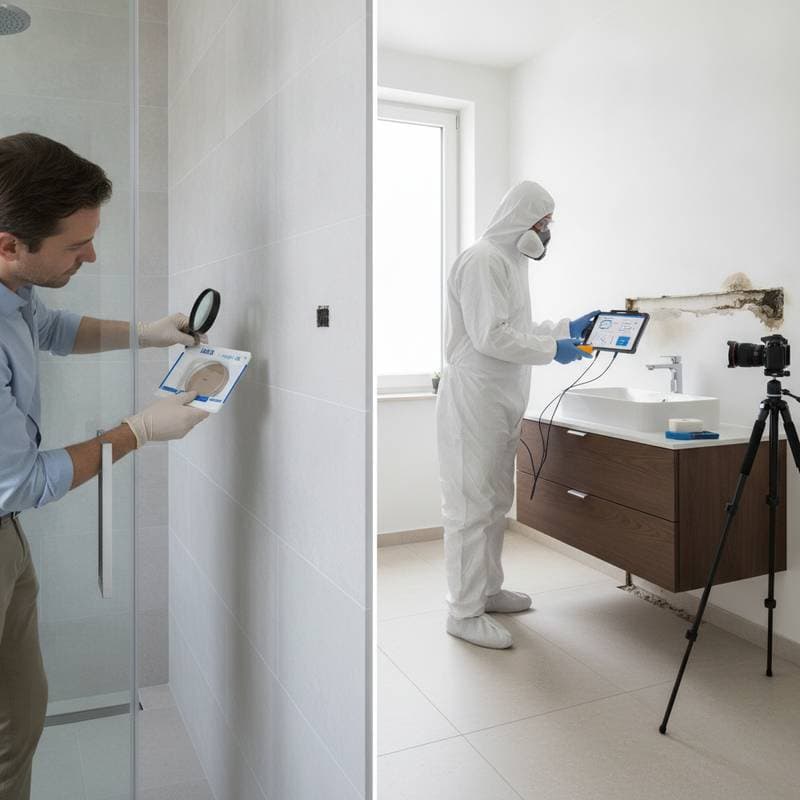
Immediate response limits proliferation. Professional assessment proves advisable for suspected infestations.
Practical Homeowner Actions for Mold Prevention
Property owners can adopt code-aligned tactics to fortify pre-existing structures against moisture.
1. Enhance Exterior Drainage Systems
Verify gutter and downspout functionality, ensuring extensions direct runoff at least five feet from foundations. Confirm soil grading promotes outward flow. Install affordable diverters or splash guards to redirect precipitation effectively.
2. Secure Potential Intrusion Points
Examine penetrations for utilities, vents, and wiring through exterior walls. Apply silicone-based caulk or expanding foam to seal voids. Minute fissures permit capillary action, fostering undetected dampness.
3. Select Resistant Finishing Materials
During renovations, opt for greenboard or cement-board drywall rated for high-moisture zones like baths and lower levels. Prime surfaces with antimicrobial coatings before painting to inhibit spore adhesion.
4. Optimize Air Circulation
Operate range hoods, bathroom fans, and dryer vents consistently. Maintain filters and confirm exterior exhaust routing. Consistent ventilation stabilizes relative humidity, deterring condensation.
5. Deploy Humidity Controls
In moisture-rich environments, integrate standalone or centralized dehumidification units. Target indoor levels under 50 percent, monitoring with hygrometers. Regular maintenance ensures sustained performance.
These initiatives bolster resilience, mirroring regulatory advancements without full reconstruction.
Evaluating Financial Implications
Investing in preventive features demands foresight, yet yields savings over time. Consider these benchmarks:
-
Resistant Drywall Panels: Premium pricing of 20-30 percent above conventional types justifies longevity in vulnerable settings.
-
Dehumidification Equipment: Entry-level models range from $150 to $300, offsetting costs of repeated cleanings.
-
Site Drainage Enhancements: Sump pumps or perimeter drains involve $2,000 to $10,000 initially, safeguarding against erosion and waterlogging.
-
Remediation Services: Averages $500 to $6,000 per incident, encompassing testing, removal, and restoration to avert ongoing liabilities.
View these expenditures as safeguards preserving equity and well-being.
Strengthening Resilience with Informed Practices
Flood vulnerabilities unsettle many residents, with mold's invisibility amplifying concerns. Code familiarity empowers proactive stewardship. Regulations transcend builder mandates, serving as blueprints for enduring habitability.
Integrate durable components, refine water management, and commit to upkeep routines. Such diligence yields a fortified dwelling, resilient to inundation and conducive to occupant health.
Implementing Safeguards for Lasting Security
Code innovations underscore moisture mastery and material durability, equipping properties against flood aftermaths. Apply insights by auditing drainage, retrofitting at-risk elements, and prioritizing ventilation. These actions secure structural integrity, mitigate health threats, and uphold property worth amid environmental challenges.