Remodel Loans Now Beat HELOCs by $190 Monthly
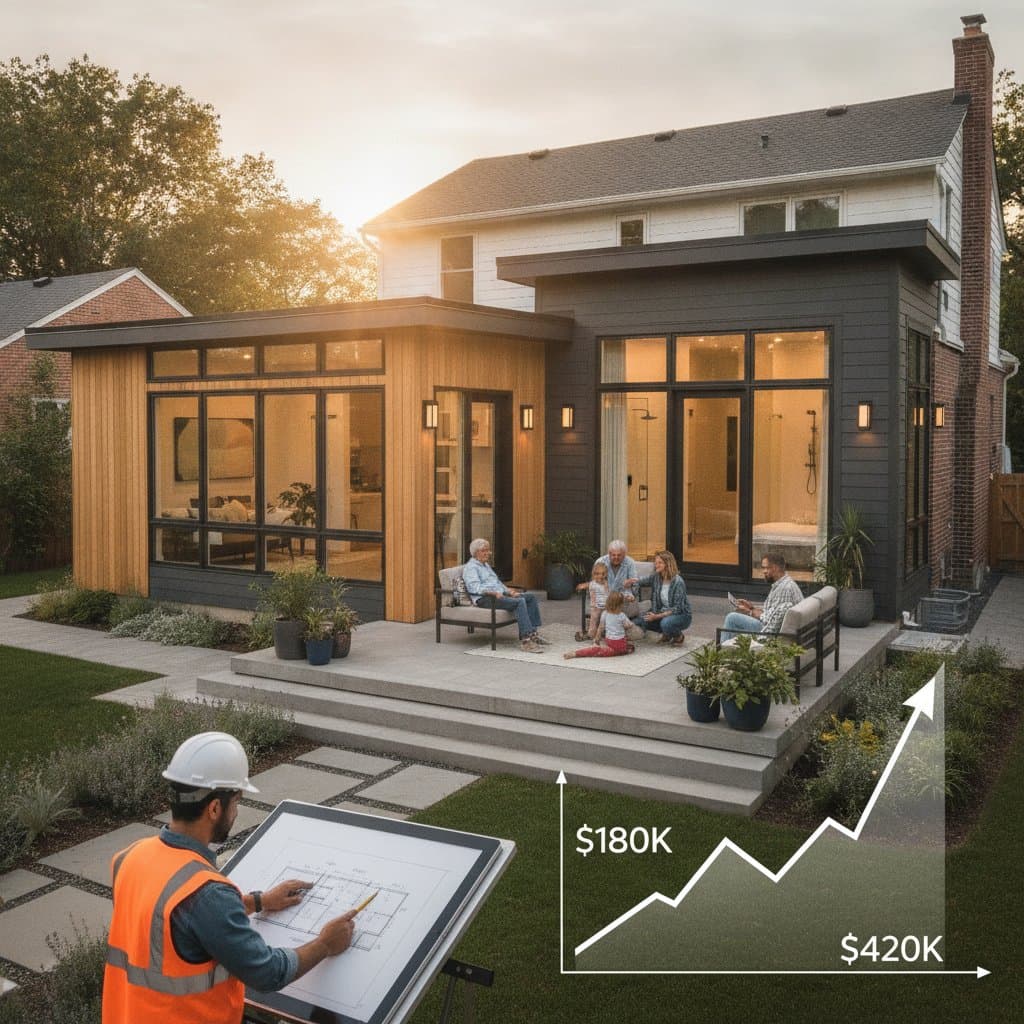
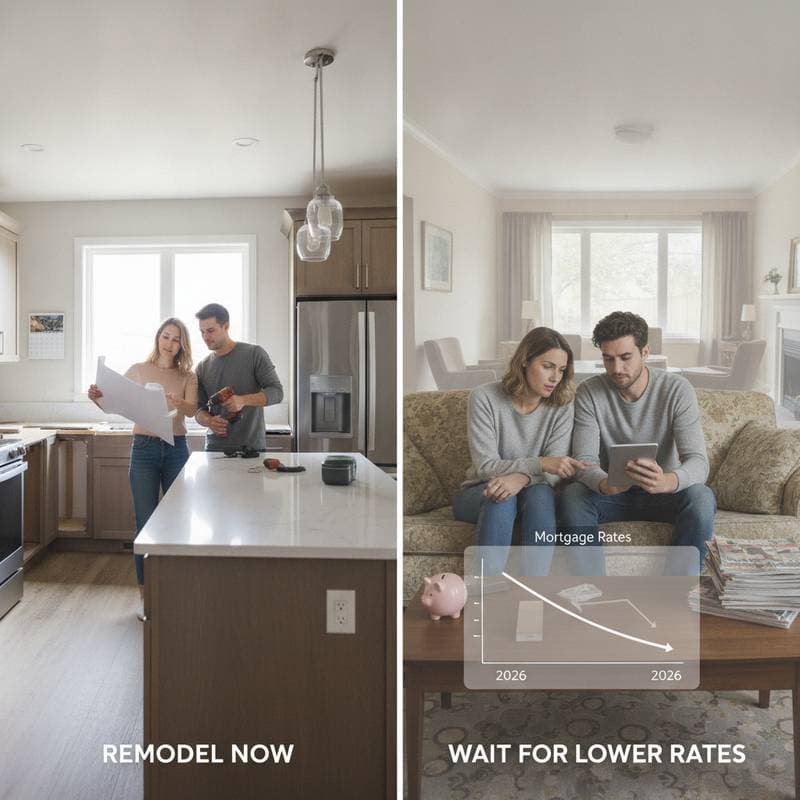
Homeowners are choosing mortgage remodel loans over HELOCs for fixed rates, one payment, and borrowing based on improved property value after renovation.

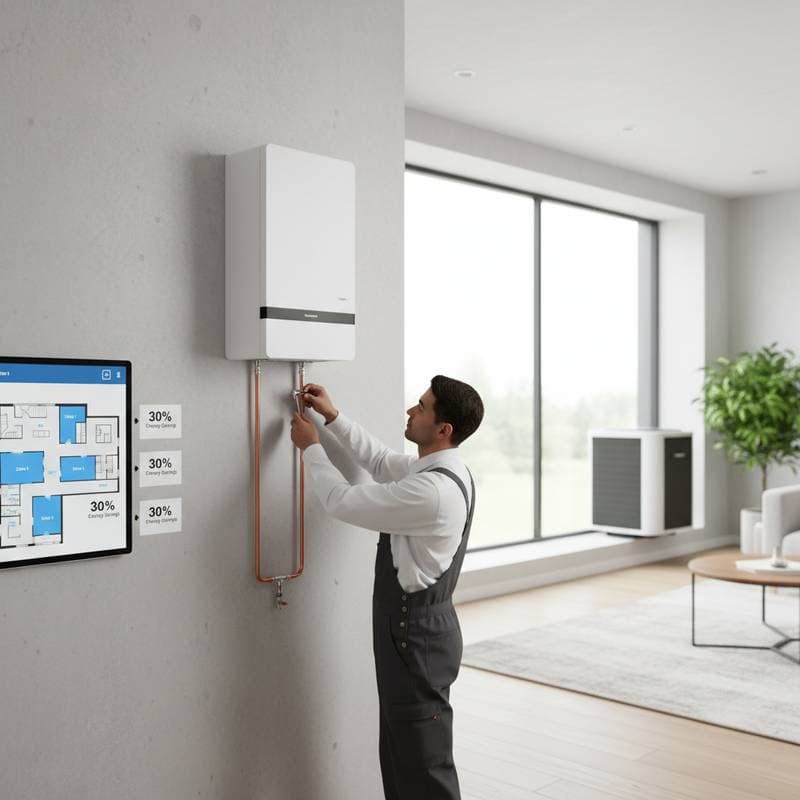
Explore 2026 mini split costs, efficiency ratings by climate zone, and installation considerations that help homeowners achieve precise temperature control and measurable utility reductions.
Homeowners are choosing mortgage remodel loans over HELOCs for fixed rates, one payment, and borrowing based on improved property value after renovation.
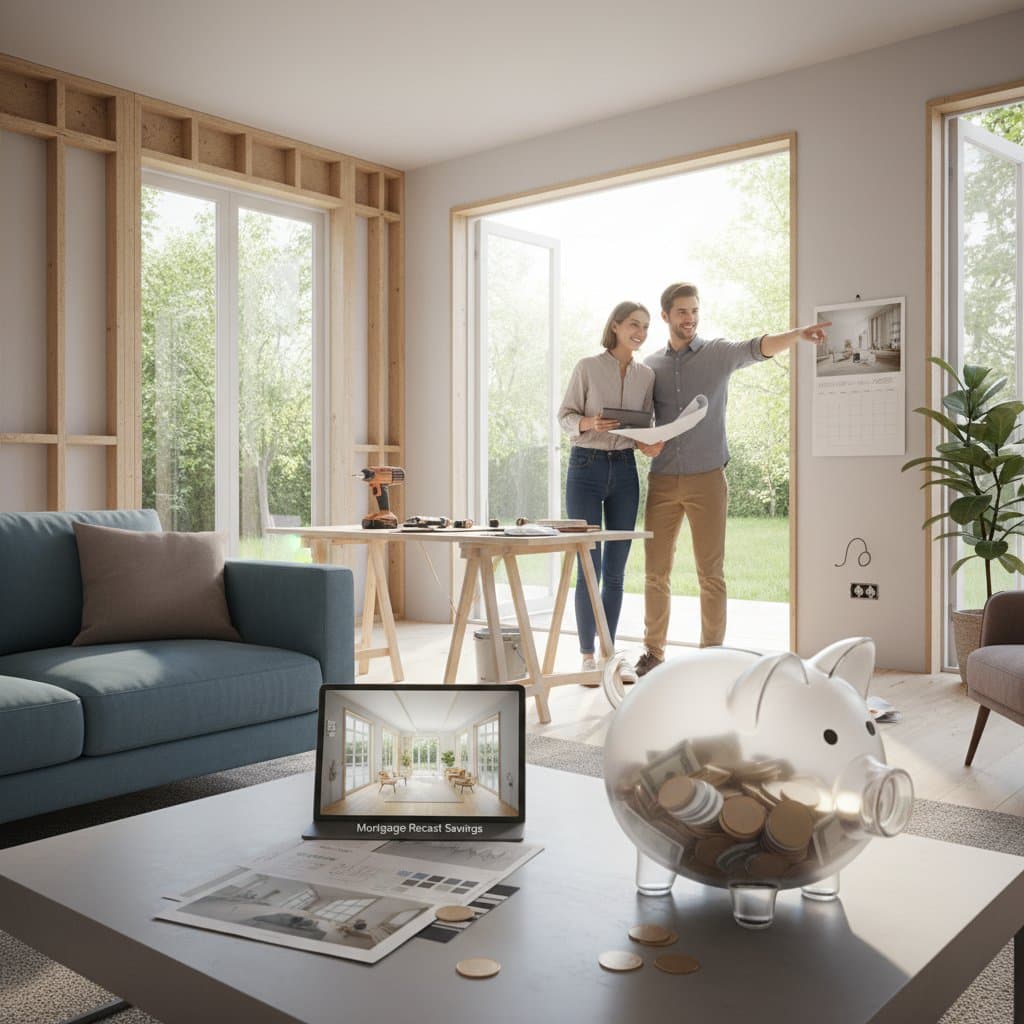
A mortgage recast applies a lump-sum payment to reduce principal and monthly obligations. The resulting cash flow can support tax-free renovations while preserving the original loan terms.
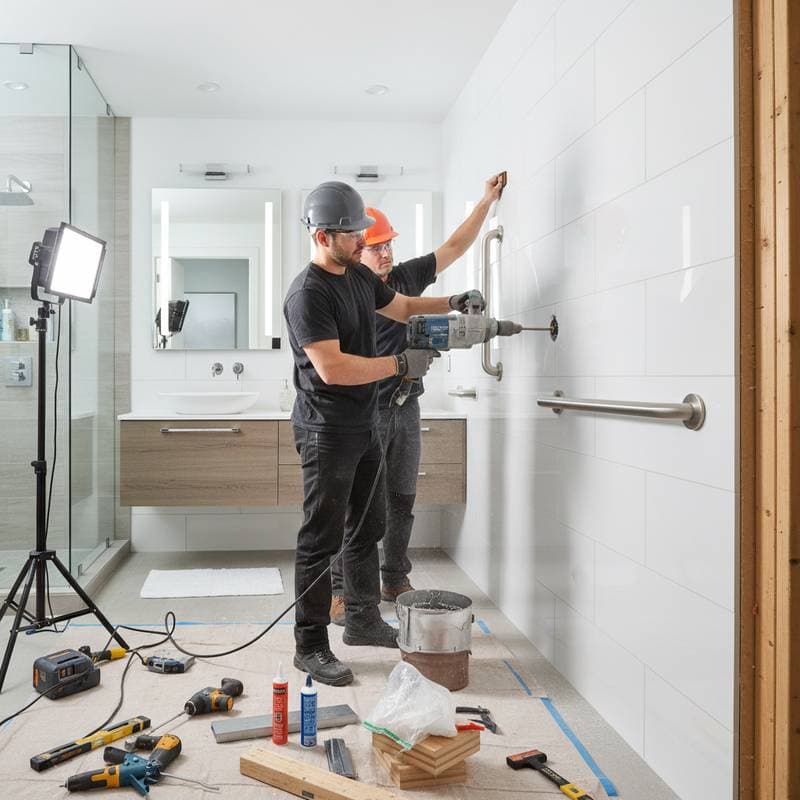
Installing bathroom grab bars boosts safety but often costs more than expected. Beyond the bar price, labor, wall reinforcement, and tile repairs can add up quickly. This guide breaks down hidden expenses, compares DIY and professional options, and offers budgeting tips for secure, long lasting results.
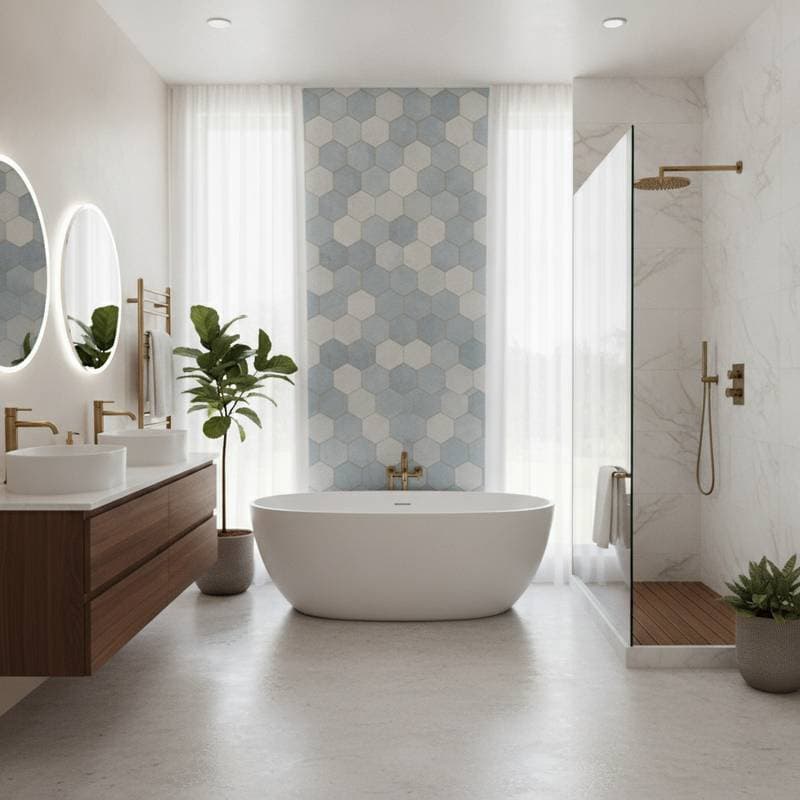
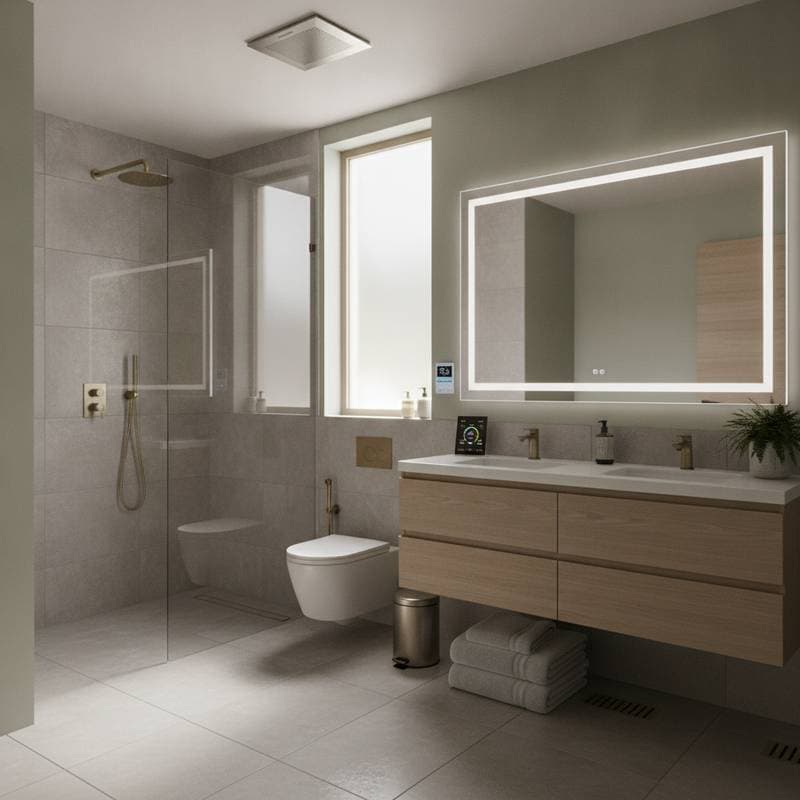
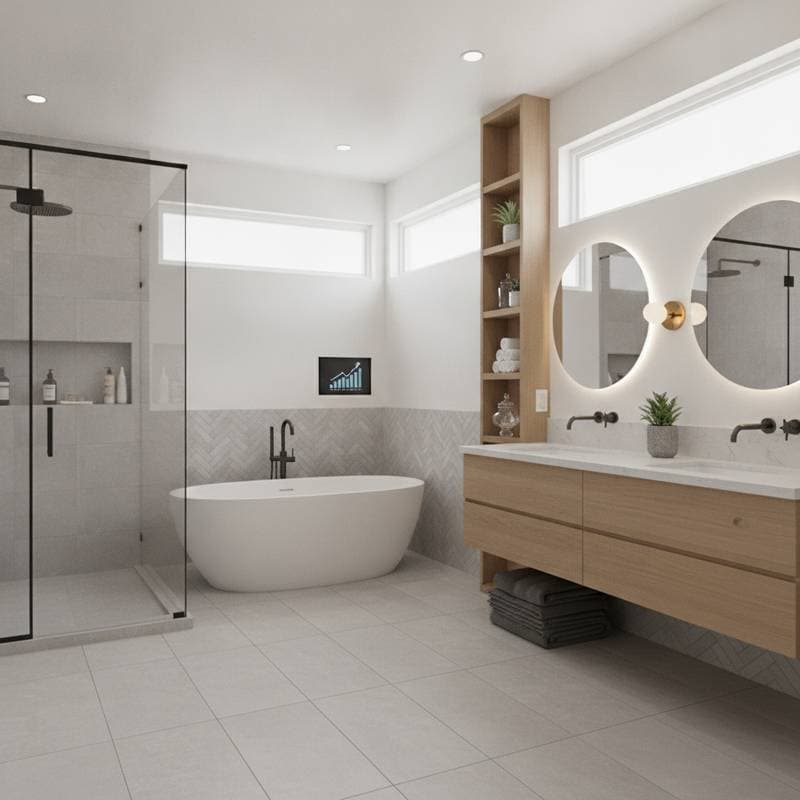
Bathroom remodel costs in 2026 range from $10,000 in the South to $40,000 on the West Coast. Regional labor rates, material choices, and design preferences determine pricing. Explore detailed breakdowns and practical steps to plan an effective renovation.
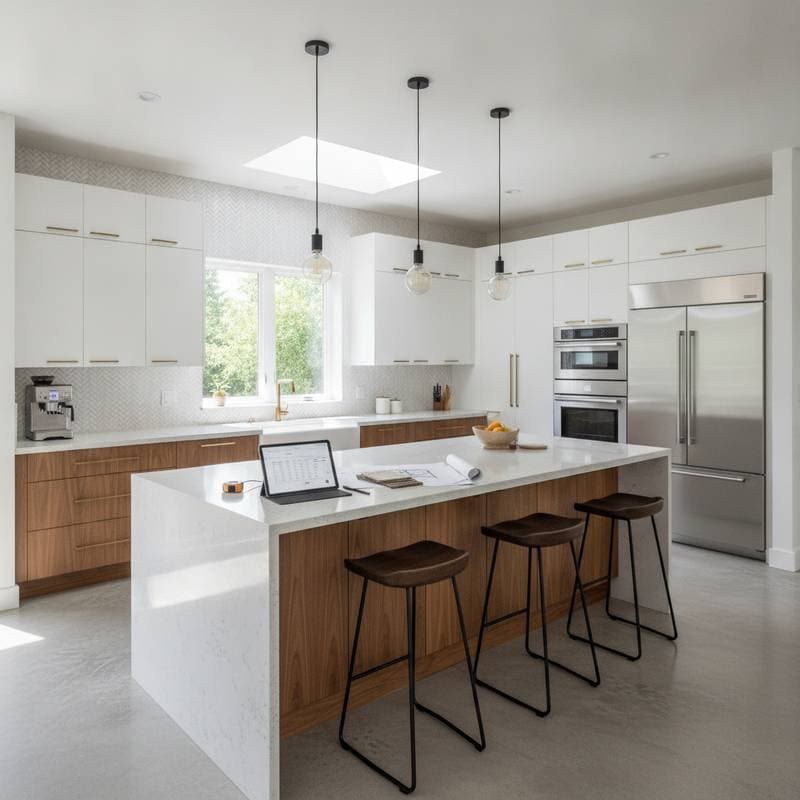
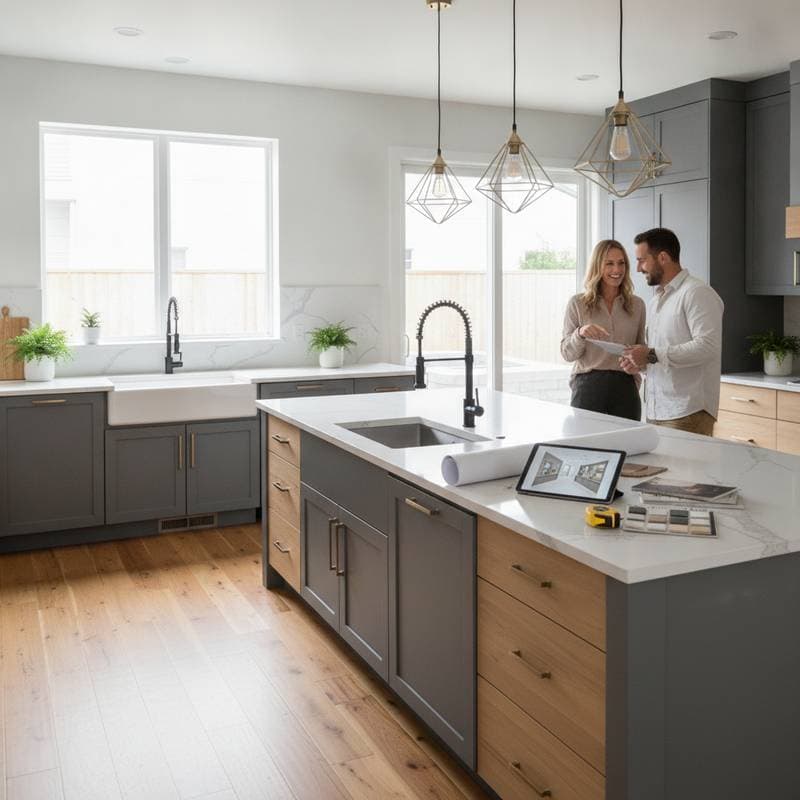
Kitchen remodel expenses are set to increase by 15% in 2026 due to tariffs, labor shortages, and supply chain disruptions. Homeowners can navigate these challenges by understanding cost drivers, blending DIY efforts with professional services, and prioritizing high-ROI updates to enhance home value and functionality.
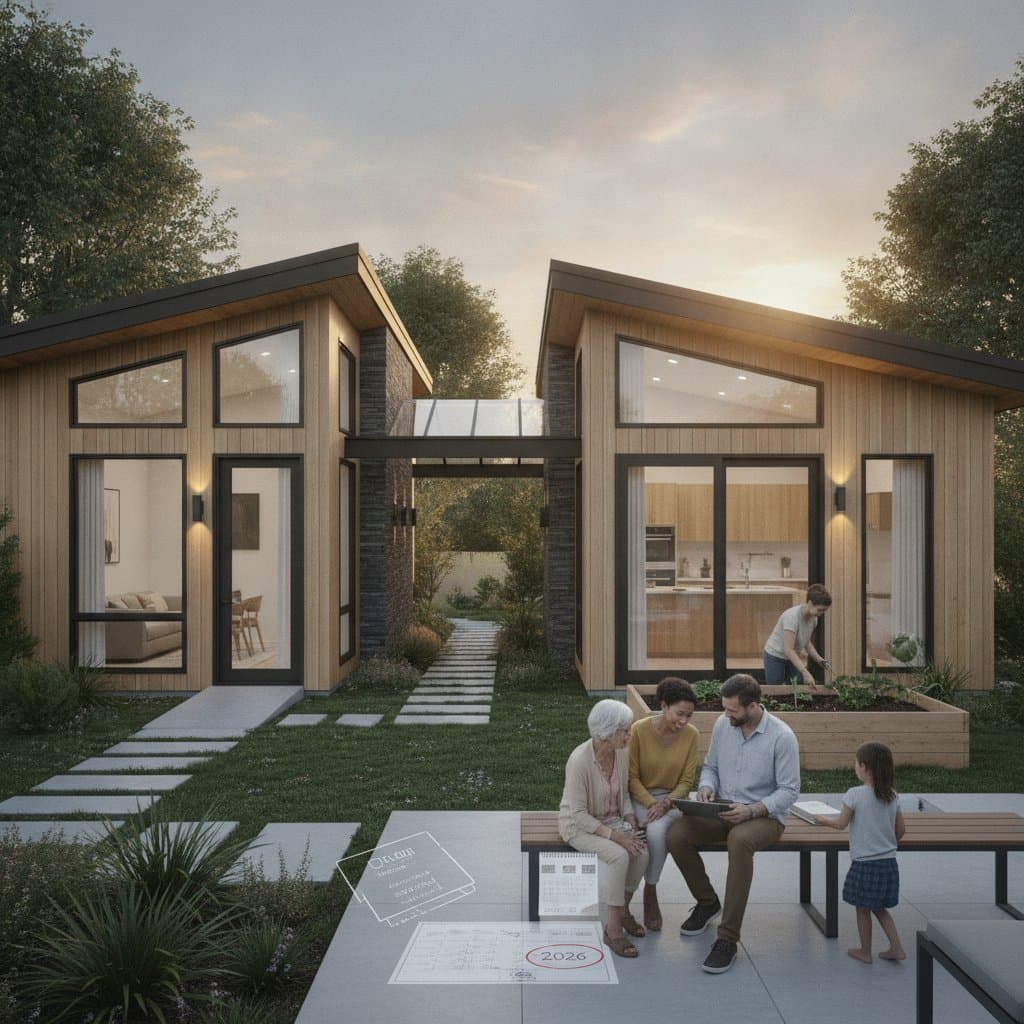
Planning a granny flat for 2026? Evaluate HELOC flexibility against construction loan structure to fund your ADU effectively. This guide covers costs, timelines, potential returns, and tailored recommendations based on your equity, project scale, and objectives.
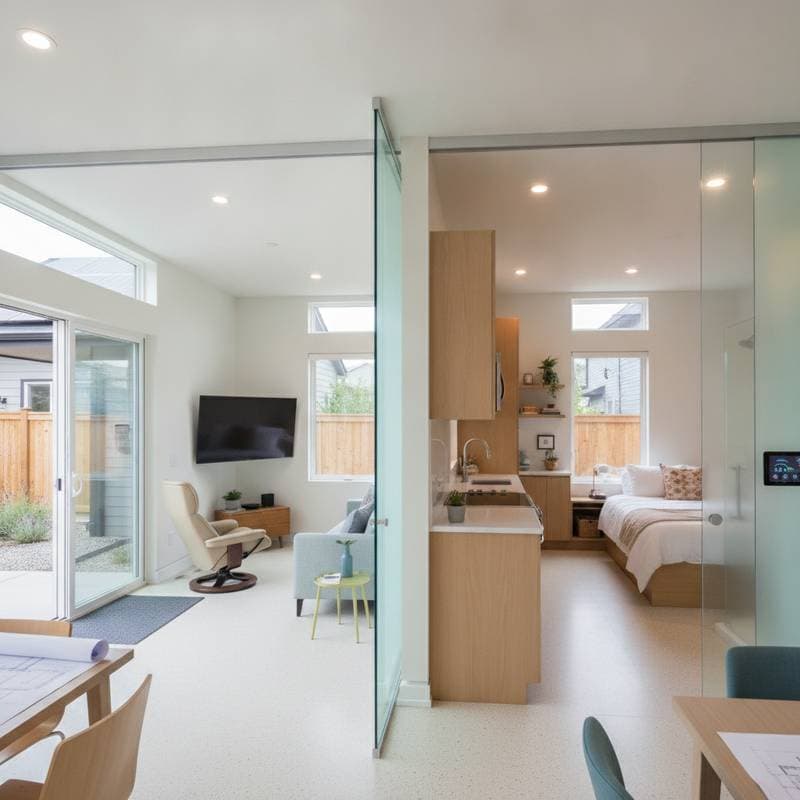
Convert your backyard into valuable income or family space through intelligent 2026 granny flat financing. This guide covers loan selection, cost reductions, and property value enhancement, including comparisons, DIY options, and municipal incentives to build economically while optimizing cash flow and equity gains.
Material cost surges and labor shortages elevate 2026 water heater prices. Traditional tank models offer lower initial costs, whereas tankless systems provide greater longevity and energy efficiency. Strategic planning, incentives, and upkeep strategies safeguard budgets while enhancing overall value. Gain insights on selection and optimal upgrade timing.
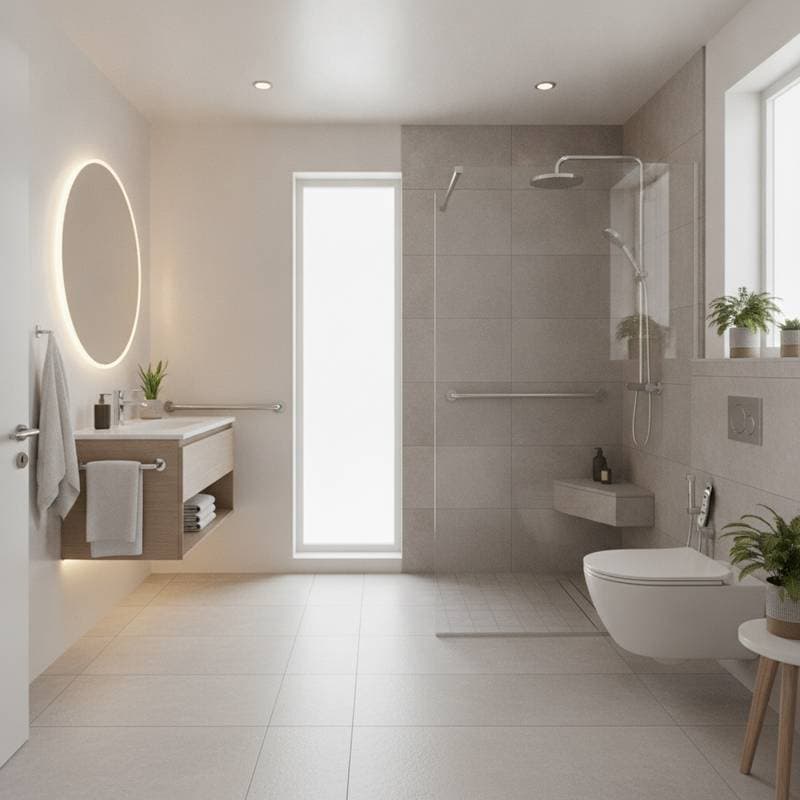
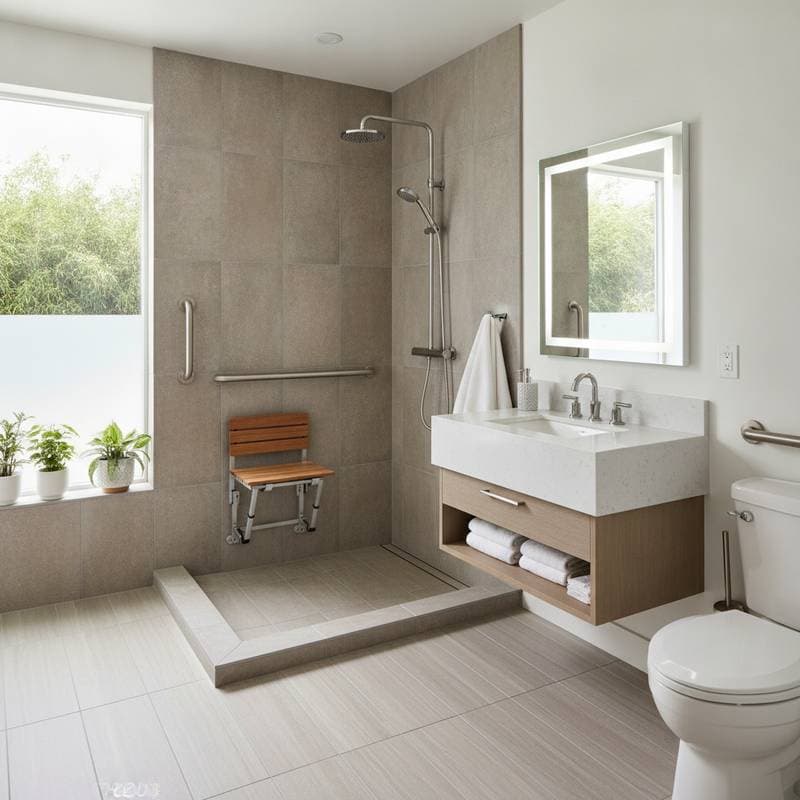
In 2026, updating an aging bathroom focuses on accessibility, safety, and efficiency. Beyond basic fixtures, costs cover structural changes, electrical enhancements, and plumbing innovations. Strategic choices yield enduring benefits like reduced water use and support for independent living.
Bathroom remodel costs in 2026 have risen because of ongoing labor shortages, stricter building codes, and material prices that exceed pre-pandemic levels. Homeowners can anticipate expenses ranging from $8,000 to $30,000 based on project scope and location. Through careful planning, targeted do-it-yourself efforts, and cost-saving strategies, individuals can maximize their budget while ensuring quality, efficiency, and enduring value for their home.
FEMA's 2026 flood vent regulations elevate renovation costs to $1,800-$6,500 per home while enhancing flood protection. Compliance influences insurance premiums, property values, and structural safety. Discover professional guidance, installation options, and documentation essentials for cost-effective resilience.
Safeguard your home and budget from increasing flood threats using 2026 Resilience Loans. These government-supported, low-interest options cover key modifications such as waterproofing, improved drainage, and elevated utilities. Understand qualification requirements, potential savings of up to 70 percent on repairs, increased property value, and strategies for enduring protection from harsh weather events.
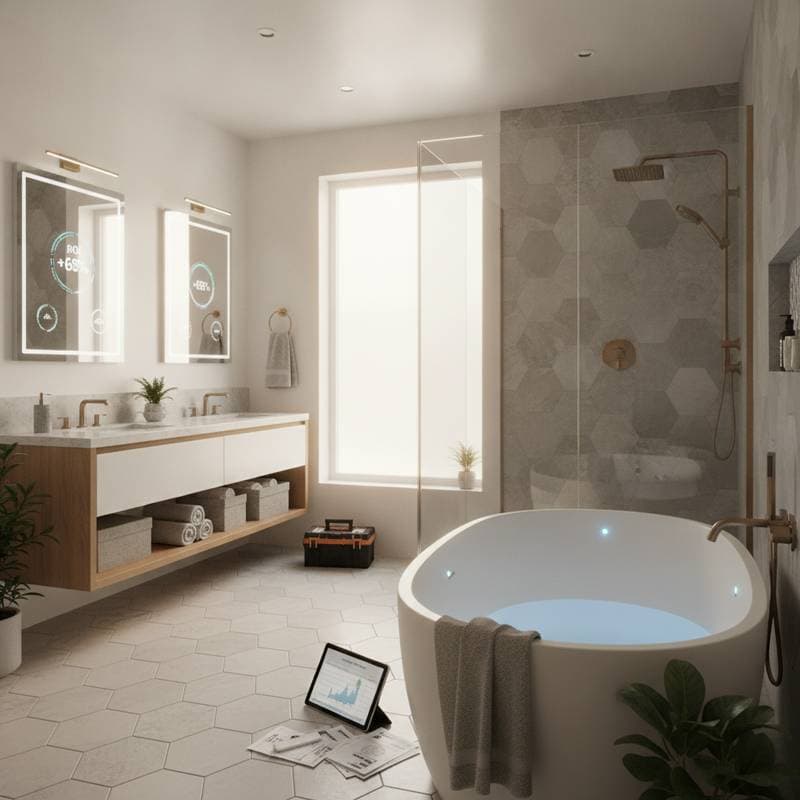
Smart tiles redefine bathroom renovations for 2026 by integrating style, technology, and efficiency to elevate home value. Features such as built-in heating, moisture detection, and antimicrobial surfaces minimize upkeep and energy expenses while delivering superior comfort and design appeal. Learn how these advanced materials provide enduring returns and simplify daily life into seamless luxury.
Kitchen remodel costs in 2026 range from $30,000 to $90,000 based on region, scope, materials, and labor. Coastal regions command higher prices, while trends in sustainable materials and smart technology elevate both functionality and expenses. This guide provides strategies for budgeting, cost control, and enhancing long-term value.
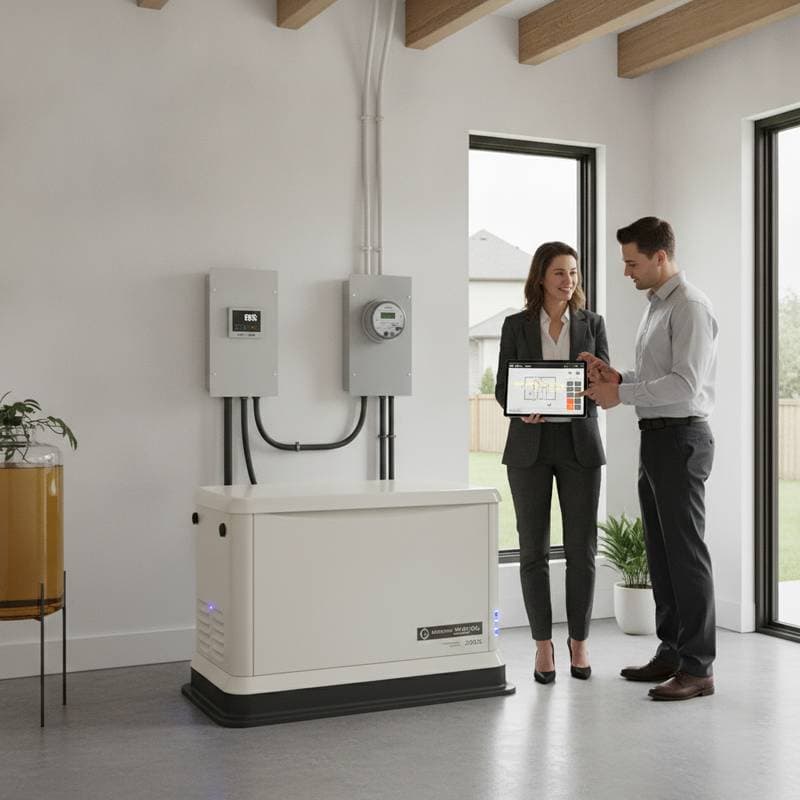
Fortify your home against 2026 grid outages using battery backup systems. This guide covers system types, essential maintenance, safety protocols, and professional advice to maintain power for critical needs while cutting costs and enhancing security.
Effective 2026, expanded rules permit sheds of 150 to 200 square feet without approvals in many areas, streamlining backyard projects. This resource details regulations, build strategies, professional versus self-build choices, and key compliance factors for secure, valuable additions.
Rising flood risks from climate change make 2026 basement waterproofing essential. Multi-layer retrofits with drainage, seals, and pumps cost $8,000–$25,000 but yield quick returns through damage prevention and energy savings. Discover tailored solutions for your region's challenges to safeguard your foundation long-term.
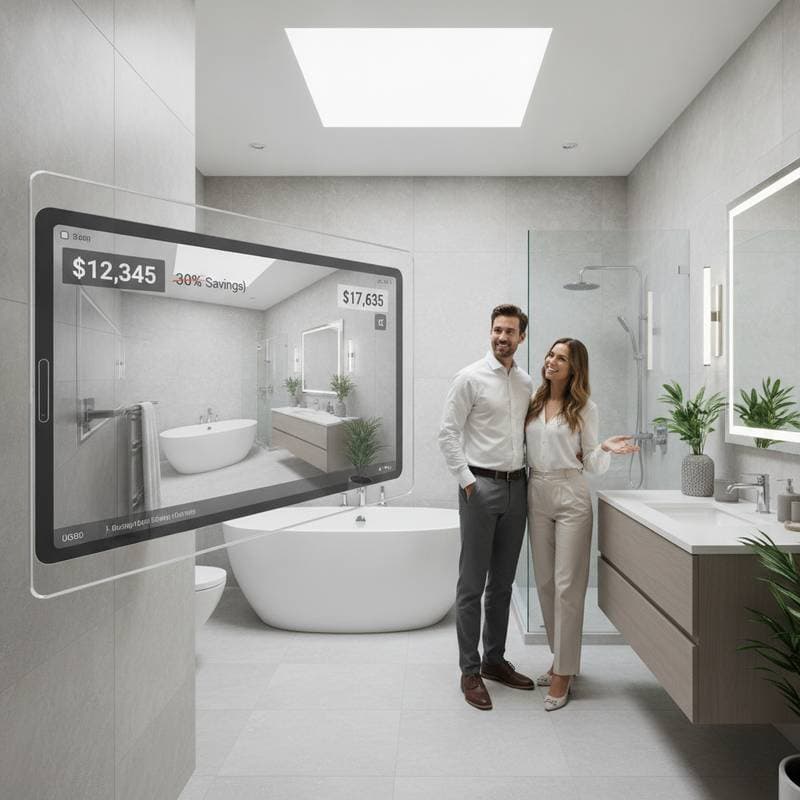
Material and labor inflation is increasing 2026 bathroom remodel costs by 8 to 12 percent across project scopes, adding about $5,000 to average budgets. This analysis details key cost factors, material options, and proven savings methods to help homeowners achieve durable upgrades without exceeding financial limits.
Bathroom remodel expenses in 2026 rise due to tariffs on materials, labor shortages, and evolving homeowner demands. Mid-range renovations average $20,000 and span 4 to 8 weeks. Discover approaches to optimize timing, allocate funds effectively, and blend DIY efforts with expert services for optimal results and efficiency.