Whole-Home Dehumidifiers: Preventing Mold and Maximizing Returns by 2026
Selecting an effective humidity control solution protects your home from damage, enhances indoor air quality, and raises property value. Beyond basic air quality improvements, mold prevention represents a comprehensive investment that impacts heating, ventilation, and air conditioning performance, structural integrity, and resident well-being. A whole-home dehumidifier stands out as a strategic upgrade, providing tangible benefits in comfort, lower maintenance expenses, and long-term asset preservation.
System Essentials
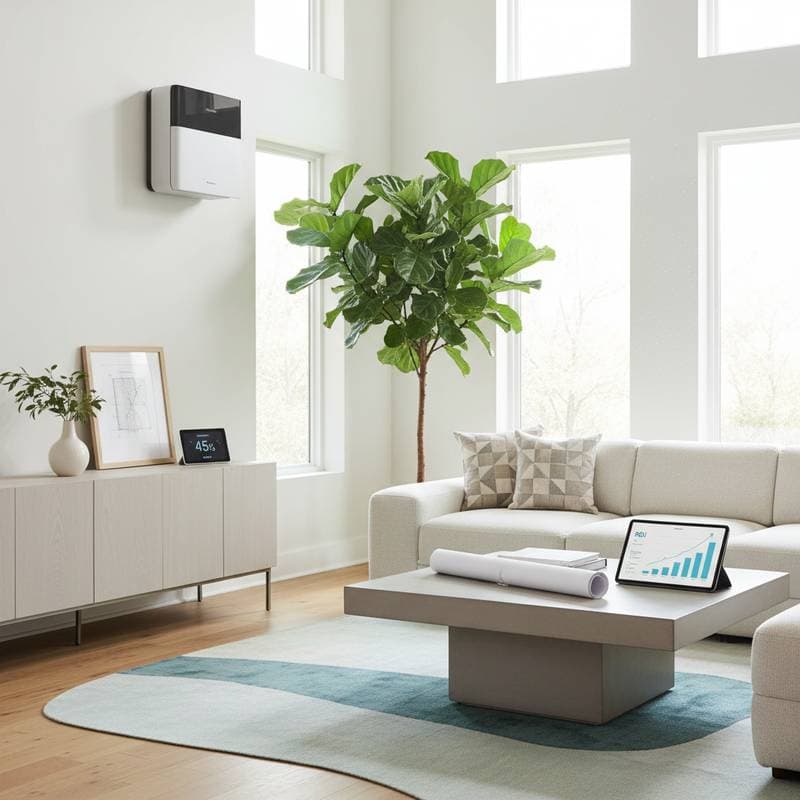
Whole-home dehumidifiers integrate seamlessly with existing HVAC setups to extract excess moisture throughout the entire living space. These units typically feature energy factors ranging from 2.5 to 3.5 liters per kilowatt-hour, ensuring efficient operation. They excel in U.S. Department of Energy climate zones 1 through 6, with capacities of 70 to 130 pints per day and a lifespan of 10 to 15 years when maintained regularly. Installation involves moderate complexity, often requiring professional assessment of ductwork and electrical systems.
Analyzing Regional Needs
Humidity challenges differ significantly by location, influencing the ideal system specifications. In hot, humid areas like the Southeast, dehumidifiers address persistent moisture loads. Northern regions face issues from seasonal infiltration, such as basement dampness during humid summers or thaws.
| DOE Climate Zone | Key Humidity Issue | Suggested Capacity |
|---|---|---|
| Zone 1 (Hot-Humid) | Year-round high latent loads | 100 to 130 pints per day |
| Zone 3 (Mixed-Humid) | Summer peaks and transitional moisture | 90 to 110 pints per day |
| Zone 5 (Cool-Humid) | Condensation in basements and attics | 70 to 90 pints per day |
| Zone 6 (Cold-Humid) | Moisture from ground and melt cycles | 70 to 80 pints per day |
Whole-home systems shine by functioning separately from air conditioning, avoiding unnecessary cooling while controlling humidity. This feature proves invaluable in rainy or flood-prone areas, where it curbs mold growth and wood deterioration effectively.
Key Integration Factors
Successful implementation hinges on thoughtful placement and connectivity. Position the unit close to the air handler to reduce efficiency losses in ducts. Essential components include a dedicated condensate drain, low-voltage wiring for controls, and adequate airflow to avoid freezing on coils. Linking to HVAC systems allows the dehumidifier to adjust based on humidity and temperature thresholds.
Incorporating smart thermostats elevates efficiency further. These devices use humidity sensors to shorten air conditioning runtime, conserving energy. In energy-efficient homes with sealed envelopes, balance dehumidification with ventilation to sustain air quality and prevent moisture buildup.
Navigating Installation and Regulations
In moisture-prone areas, building codes mandate systems that inhibit condensation and microbial proliferation. Whole-home dehumidifiers support adherence by stabilizing indoor humidity, particularly during heightened ventilation. Follow manufacturer guidelines for airflow and drainage during setup. Use a dedicated electrical circuit, and equip condensate lines with traps to block reverse flow.
Local regulations often align with ASHRAE Standard 62.2, emphasizing air quality and moisture management. Professionals should confirm the installation avoids negative pressure, which might draw in external humidity or compromise fuel-burning appliances.
Health and Sustainability Advantages
Effective humidity control safeguards health by limiting mold, dust mites, and chemical off-gassing, which thrive above 60 percent relative humidity. These systems lower allergen exposure and material emissions, while preventing issues like warped floors or fractured walls that demand costly fixes.
Environmentally, they cut reliance on excessive cooling, easing electrical grid strain and curbing emissions from energy production. Homeowners enjoy reduced utility bills alongside a smaller carbon footprint.
Steps to Implement Effectively
- Determine Your Climate Profile: Review DOE zone data for local dew points and moisture patterns to gauge needs.
- Inspect Current Setup: Check if HVAC ducts and electrical infrastructure accommodate the addition without major modifications.
- Select Appropriate Size: Base capacity on home square footage, occupancy, and humidity demands rather than area alone.
- Engage Qualified Experts: Partner with contractors skilled in HVAC integrations for reliable results.
- Track and Adjust: Install smart monitors or loggers to ensure consistent humidity levels post-installation.
By addressing these elements, homeowners secure a resilient indoor environment. This upgrade not only mitigates mold risks but also delivers financial gains through enhanced efficiency and property appeal, positioning your home for optimal performance by 2026.