Understanding Smart Sump Pumps
Homeowners face constant threats from water damage in basements, where even minor leaks can lead to extensive repairs. Traditional sump pumps activate only after water accumulates, often resulting in flooding during heavy storms. Smart sump pumps change this dynamic by using advanced technology to predict and prevent floods before they occur.
These devices integrate sensors and algorithms to monitor environmental conditions in real time. By analyzing humidity levels, rainfall data, and pump performance, they alert users to potential issues hours in advance. This proactive approach minimizes damage and reduces the stress associated with unpredictable weather events.
The Evolution of Sump Pump Technology
Sump pumps have served as essential tools for basement protection since the mid-20th century. Early models relied on simple float switches to detect rising water and trigger the motor. While effective for basic needs, these systems lacked intelligence and often failed during power outages or mechanical breakdowns.
Advancements in the 2010s introduced battery backups and alarms, improving reliability. The shift toward smart technology accelerated with the rise of connected home devices. By 2026, sump pumps incorporate Internet of Things (IoT) capabilities, allowing seamless integration with home automation systems like smart thermostats and security cameras.
This evolution reflects broader trends in home resilience. Manufacturers now prioritize durability and user convenience, ensuring that sump pumps not only respond to floods but also anticipate them through data-driven insights.
Key Features of 2026 Smart Sump Pumps
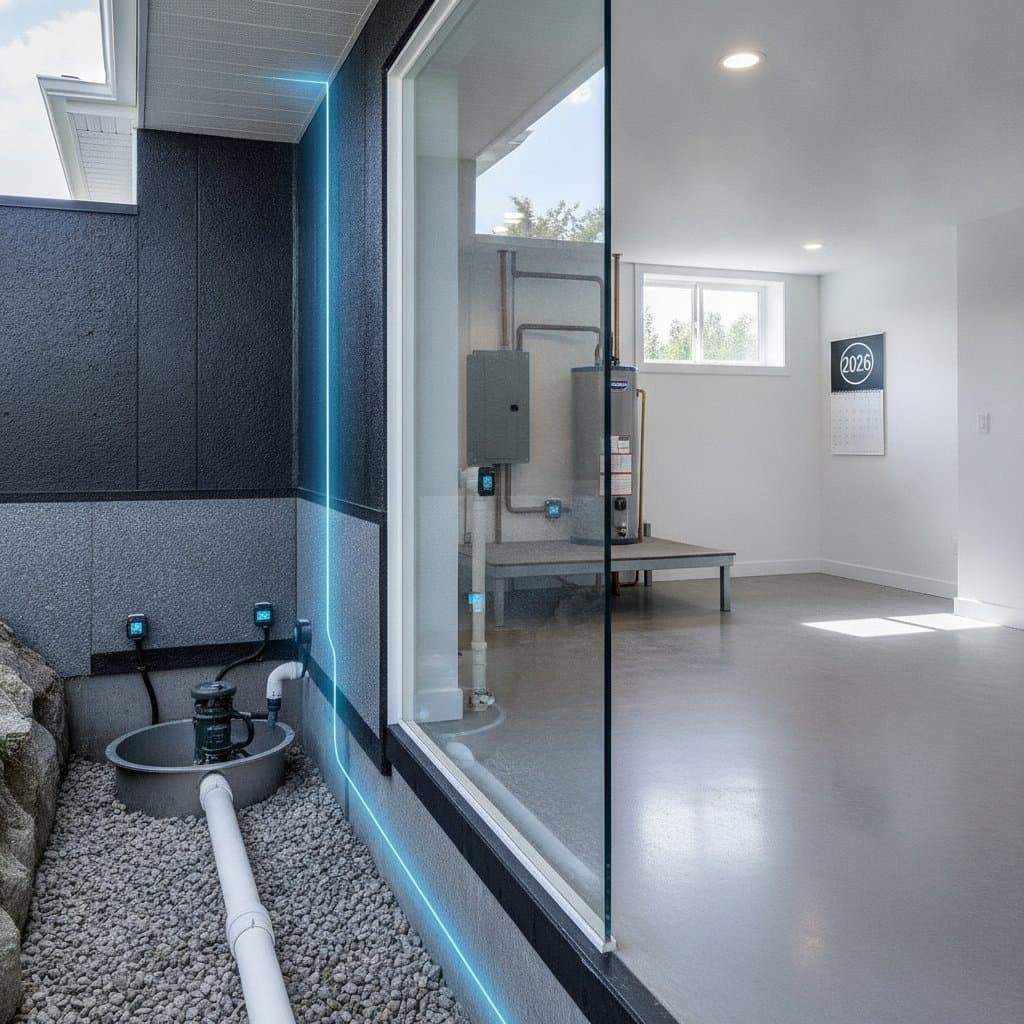
Modern smart sump pumps boast several innovative features that set them apart from conventional models. High-sensitivity water sensors detect even trace amounts of moisture, enabling early intervention. Predictive algorithms process local weather forecasts alongside on-site data to forecast flood risks with accuracy rates exceeding 90 percent.
Advanced Monitoring and Alerts
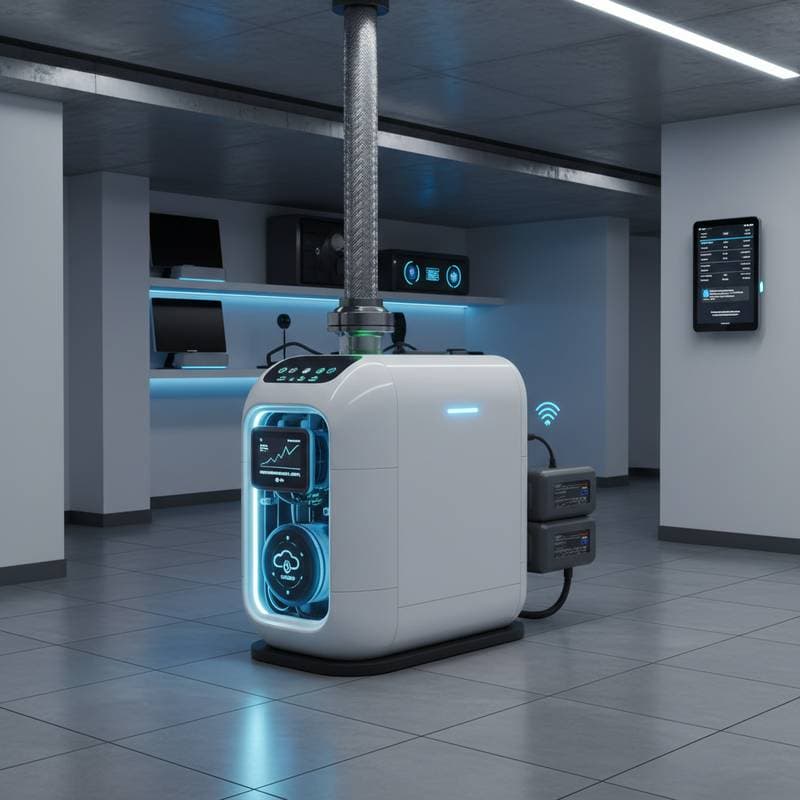
Remote monitoring via smartphone apps provides homeowners with instant notifications. Users receive push alerts if water levels rise unexpectedly or if the pump shows signs of wear. Wi-Fi connectivity ensures that these updates arrive regardless of location, allowing for timely responses even during travel.
Battery backups have evolved into dual-power systems, combining rechargeable lithium-ion batteries with solar-assisted charging options. These setups guarantee operation for up to 72 hours during extended outages, far surpassing the capabilities of older lead-acid batteries.
Efficiency and Maintenance Innovations
Quiet operation remains a priority, with brushless motors reducing noise to below 45 decibels. Energy efficiency improves through variable speed controls that adjust power usage based on demand, potentially lowering electricity bills by 30 percent annually.
Self-cleaning mechanisms prevent clogs from debris, a common issue in traditional pumps. Integrated filters automatically flush sediment during operation, extending the device's lifespan to 15 years or more. Predictive maintenance features schedule professional servicing by analyzing usage patterns and alerting owners to potential failures.
Benefits for Homeowners
Investing in a smart sump pump delivers immediate and long-term advantages. Peace of mind tops the list, as proactive alerts eliminate the uncertainty of flood events. Homeowners report fewer insurance claims and lower repair costs, with average savings reaching $2,000 per incident avoided.
These systems enhance property value in flood-prone areas. Real estate experts note that homes equipped with smart waterproofing features sell 10 percent faster and at higher prices. Energy savings accumulate over time, making the initial investment recoupable within three to five years.
Environmental benefits include reduced water waste from inefficient pumping cycles. By optimizing performance, smart models contribute to sustainable home practices without compromising protection.
Choosing and Installing the Right Smart Sump Pump
Selecting a suitable model requires careful consideration of home specifics. Assess basement size, local flood history, and electrical setup. Look for pumps certified by organizations like the International Association of Plumbing and Mechanical Officials for reliability.
- Measure the sump basin diameter to ensure compatibility, typically ranging from 18 to 24 inches.
- Evaluate power requirements; opt for models with at least 1/3 horsepower for standard homes.
- Check app compatibility with existing smart home ecosystems, such as Google Home or Amazon Alexa.
Professional installation proves essential for optimal performance. Licensed plumbers position the pump at the lowest point of the sump pit and connect it to the discharge line. Post-installation testing verifies sensor accuracy and backup functionality.
Homeowners can perform basic maintenance tasks, such as quarterly inspections of the battery and filters. Follow manufacturer guidelines to clean the unit and update firmware for the latest predictive features.
Achieving Lasting Basement Protection
Smart sump pumps represent a forward-thinking solution for modern homes. By combining cutting-edge sensors with reliable engineering, they safeguard against floods while simplifying upkeep. Homeowners who adopt these technologies enjoy drier basements, reduced costs, and enhanced security.
Consider integrating smart sump pumps into broader waterproofing strategies, including French drains and dehumidifiers. This comprehensive approach fortifies residences against water intrusion, ensuring long-term habitability and value preservation.