Understanding Basement Waterproofing and Its Importance
Water enters basements through cracks in foundations, poor drainage, or high groundwater levels. Over time, this moisture leads to structural damage, mold growth, and reduced indoor air quality. Waterproofing addresses these issues by creating barriers and drainage solutions that keep water out and maintain a dry environment.
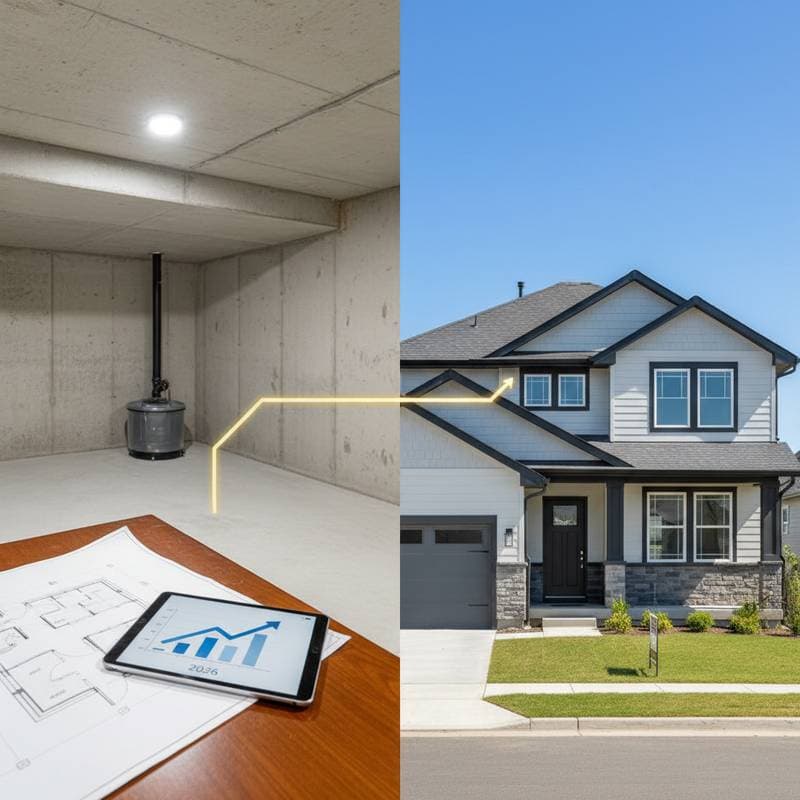
Investing in waterproofing now prepares your home for future market conditions. By 2026, buyers will prioritize properties with proven moisture control, especially in regions prone to heavy rains or flooding. This upgrade not only preserves your home's integrity but also positions it favorably in competitive real estate landscapes.
Key Costs to Consider
Budgeting for waterproofing requires understanding typical expenses, which vary by method and home specifics. For instance, foundation crack repair costs $500 to $1,200 per crack, depending on the crack's size and location. French drain installation ranges from $4,000 to $8,000, influenced by the drainage system's length and complexity.
These figures can adjust based on basement size, local soil conditions, and labor rates in your area. Larger basements or clay-heavy soils often increase costs due to more extensive work. To manage expenses effectively, obtain multiple quotes from licensed contractors and factor in any preparatory steps like yard grading.
Waterproofing Methods and Their Advantages
Selecting the appropriate waterproofing approach depends on the moisture source, your budget, and the home's age. Each method targets specific vulnerabilities while providing long-term protection.
- Crack Injection: This technique involves injecting polyurethane or epoxy into foundation cracks to seal small leaks. It suits isolated issues and completes in a single day, minimizing disruption.
- Interior Drainage Systems: These channel water along basement walls to a sump pump, preventing floor flooding. They prove effective for ongoing seepage from hydrostatic pressure.
- Exterior Waterproof Membranes: Applied during excavation, these rubberized coatings form a robust shield against groundwater. They offer superior durability but require significant upfront labor.
- French Drains: Perforated pipes buried in gravel collect and divert surface water away from the foundation. They excel in areas with sloped terrain or frequent downpours.
- Sealants and Coatings: Hydraulic cement or polymer-based products create moisture-resistant layers on walls and floors. Use them for proactive defense in mildly damp spaces, though they fall short against heavy infiltration.
For optimal results, integrate multiple methods, such as pairing interior drains with exterior membranes. Consult a structural engineer to assess your home's unique conditions and recommend a customized plan.
Strategies to Reduce Costs Effectively
While waterproofing investments add up, targeted actions can lower overall expenses without compromising quality.
- Improve Surface Drainage Initially: Redirect water by extending downspouts at least five feet from the foundation, clearing gutters seasonally, and ensuring soil slopes away at a one-inch-per-foot grade.
- Handle Minor Issues Promptly: Seal hairline cracks with concrete caulk and monitor for expansion to avoid escalation into major repairs.
- Bundle Related Projects: Align waterproofing with tasks like foundation reinforcement or basement remodeling to consolidate labor and equipment costs.
- Seek Extended Warranties: Choose contractors offering 10- to 20-year guarantees, which cover potential failures and offset future outlays.
- Gather Multiple Bids: Review at least three detailed proposals, comparing materials, timelines, and inclusions to secure competitive rates.
Simple preventive measures, such as installing gutter guards or regrading the yard, frequently postpone invasive work and extend the life of existing systems.
DIY Tasks Versus Professional Services
Homeowners can manage certain waterproofing elements independently, but complex procedures demand expert intervention to ensure safety and efficacy.
Tasks Suitable for DIY
- Brushing on waterproof masonry paint or sealant to interior walls.
- Setting up a dehumidifier to control humidity levels below 50 percent.
- Inspecting, cleaning, and extending downspouts to improve water flow.
- Regularly checking for cracks and using a moisture meter to track dampness.
Tasks Requiring Professionals
- Positioning and wiring sump pumps with battery backups.
- Digging trenches around the foundation for drainage installation.
- Injecting or patching significant structural cracks.
- Renewing or installing footing drains beneath the slab.
When in doubt, engage a certified home inspector for a thorough evaluation. Their assessment, often costing $300 to $500, identifies root causes and prevents errors that could lead to worsened damage or voided insurance claims.
Calculating Return on Investment
Waterproofing delivers tangible financial benefits, particularly at resale. A waterproofed basement signals meticulous maintenance to potential buyers, often justifying a higher asking price. Studies indicate recovery rates of 80 to 100 percent of costs, rising further if you finish the space with drywall, flooring, and lighting.
In addition to monetary gains, this upgrade enhances daily living. It curbs mold proliferation, which affects respiratory health, and averts costly repairs from wood rot or foundation shifts. Over a decade, these savings compound, making waterproofing a prudent choice for long-term homeowners.
Essential Maintenance Practices
Sustaining a waterproofed basement involves routine checks to detect issues early.
- Examine sump pumps quarterly, ensuring they activate during test floods.
- Verify backup generators or batteries function reliably ahead of storm seasons.
- Maintain clear gutters and verify soil grading remains effective after heavy rains.
- Scan walls and floors monthly for emerging cracks or discoloration.
Arrange biennial professional inspections to verify system integrity. Addressing minor wear promptly preserves performance and avoids emergency interventions.
Steps to Implement Waterproofing Successfully
Persistent dampness or odors indicate underlying moisture problems warranting attention. Begin by scheduling an inspection from a specialist who uses tools like infrared cameras to pinpoint entry points.
Next, evaluate suitable methods based on the diagnosis and solicit itemized quotes from vetted professionals. Select a contractor with proven experience, then oversee the project to confirm adherence to plans. Retain all documentation, including warranties, to demonstrate the upgrade's value to future owners.
This proactive approach fortifies your home against environmental threats, elevates living standards, and secures enduring market advantages. A stable, dry foundation underpins every aspect of homeownership, from comfort to equity growth.