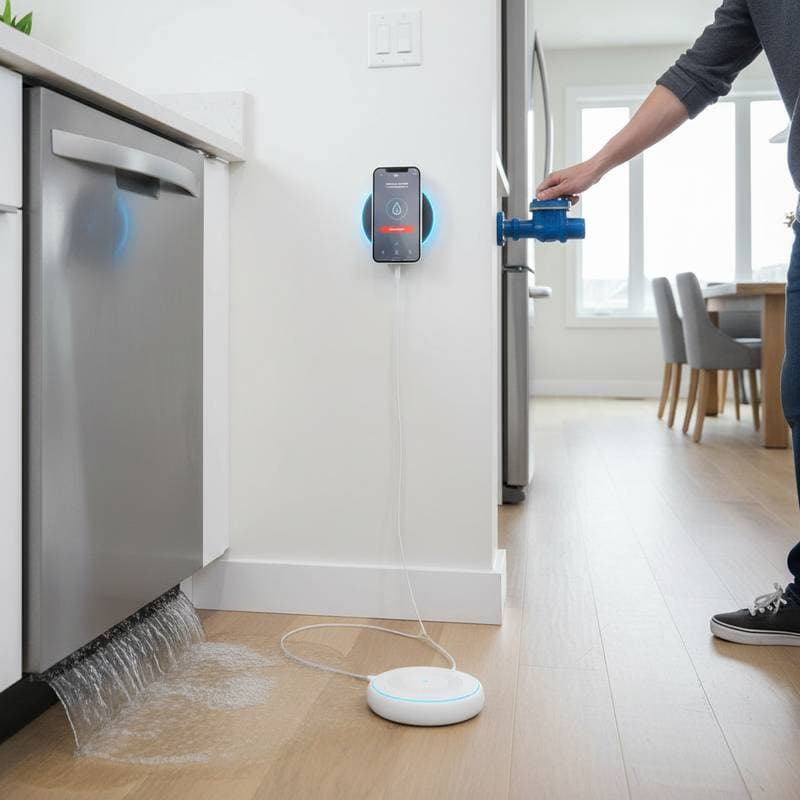
Introduction to Smart Flood Sensors
Water damage ranks among the leading causes of property loss in homes, often resulting in repair bills that exceed $10,000 per incident. Smart flood sensors address this vulnerability by providing proactive monitoring and rapid response capabilities. These devices integrate seamlessly into modern homes, offering peace of mind through technology that detects issues before they escalate.
Homeowners face risks from burst pipes, appliance failures, and plumbing leaks, especially in older structures or during extreme weather. By 2026, widespread adoption of smart home systems will make flood sensors a standard feature. This article explores their functionality, financial benefits, maintenance needs, and implementation steps to help you safeguard your property effectively.
How Smart Flood Sensors Work
Smart flood sensors employ advanced detection methods to identify water presence swiftly and accurately. These systems combine multiple technologies for comprehensive coverage, ensuring reliability in various home environments. Understanding their operation empowers homeowners to select and install the right model for specific needs.
Most systems integrate moisture detection, temperature tracking, and real-time communication protocols. The process unfolds in clear stages:
-
Detection Phase: Sensors utilize metal contacts, capacitive probes, or optical methods to sense water or elevated humidity levels. Placement in high-risk areas, such as under sinks, near water heaters, or in basements, maximizes effectiveness. Some advanced models distinguish between minor condensation and actual leaks to minimize false alarms.
-
Alerting Mechanism: Upon detection, the sensor transmits a signal through Wi-Fi, Bluetooth, or cellular networks to a connected smartphone app or central hub. Notifications include details like location and severity, allowing immediate assessment. Integration with voice assistants, such as Alexa or Google Home, enables verbal confirmations for added convenience.
-
Automated Response: Equipped models activate solenoid valves to close the main water supply line within seconds of an alert. This feature prevents widespread flooding, limiting damage to the initial point of failure. Manual overrides ensure users retain control during non-emergency situations.
-
Data Logging and Analysis: Devices store historical data on moisture events, temperature fluctuations, and system performance. This information helps identify patterns, such as seasonal vulnerabilities or appliance wear, facilitating preventive maintenance. Cloud-based dashboards provide visual reports for easy review.
Power sources vary by model: battery-operated units last two to five years, while plug-in versions offer continuous operation. Professional installation is advisable for systems involving plumbing modifications or home automation integration. Improper setup risks leaks or flow restrictions, underscoring the value of certified technicians.
Regular monthly testing verifies sensor sensitivity and connectivity. Simulate a leak with a small amount of water to confirm alerts and shutoff functions operate as intended.
Calculating Long-Term Return on Investment
Investing in smart flood sensors yields substantial financial returns, often recouping costs within the first year. A single prevented incident justifies the expense, given average water damage claims reach $12,000. Beyond immediate savings, these systems contribute to ongoing cost reductions and asset protection.
Key benefits include:
-
Insurance Premium Reductions: Insurers recognize proactive measures, offering discounts of $100 to $250 per year on policies. Document installation to qualify for these incentives, potentially saving hundreds over the device's lifespan.
-
Minimized Repair Expenses: Early intervention averts major restorations, such as drying out walls, replacing flooring, or rebuilding structures. For instance, a basement flood might cost $15,000 without sensors, but detection limits it to under $1,000 in spot repairs.
-
Prolonged Appliance Durability: Sensors prevent hidden leaks that cause corrosion in washing machines, dishwashers, and water heaters. This extends equipment life by years, avoiding premature replacements that average $500 to $2,000 each.
-
Enhanced Property Resale Value: Modern buyers prioritize smart safety features, increasing home appeal by 2 to 5 percent. Highlight these upgrades in listings to attract tech-savvy purchasers and justify higher asking prices.
Homes with vulnerable features, like finished basements or luxury finishes, see faster payback. Consider total home value and risk exposure when evaluating ROI; tools from manufacturers can estimate personalized savings.
Essential Maintenance and Testing Practices
Reliable performance demands routine care to avoid malfunctions during critical moments. Neglect leads to overlooked threats or unnecessary disruptions from false positives. Establish a simple schedule to keep sensors at peak efficiency.
Follow these practices:
-
Monthly Testing: Apply a damp cloth or shallow water to the sensor surface and verify the alarm triggers promptly. Check that notifications arrive on all linked devices without delay.
-
Battery Management: Monitor low-power indicators and replace batteries every two years, or sooner if usage is high. Opt for lithium types for longer life in extreme temperatures.
-
Sensor Cleaning: Wipe units with a dry microfiber cloth weekly to remove dust or residue that could impair detection. Avoid harsh chemicals that damage electronics.
-
Wiring Inspections: For plug-in models, examine cords monthly for wear, fraying, or exposure to moisture. Secure connections to prevent accidental dislodgement.
-
Alert System Reviews: Test household notifications quarterly by simulating scenarios. Update contact lists and app permissions to ensure everyone receives timely updates.
Treat sensors as vital components of home safety infrastructure. Annual professional inspections complement DIY efforts, especially in complex setups.
Steps to Implement Smart Flood Sensors
Transitioning to flood protection begins with targeted planning. Identify vulnerabilities through a home audit: inspect plumbing age, appliance locations, and flood-prone zones. This assessment guides device selection and placement.
Basic sensors suit DIY installation, costing $150 to $300 for starter kits covering multiple areas. For comprehensive systems with shutoff valves, budget $500 to $800 and engage a licensed plumber. Compatibility with existing smart ecosystems, like Nest or Ring, simplifies integration.
Post-installation, conduct initial tests and calibrate sensitivity levels. Link to broader automation for layered defenses, such as activating dehumidifiers alongside alerts. Monitor performance for the first month to refine settings.
Securing Your Home's Future with Flood Prevention
Smart flood sensors empower homeowners to mitigate one of the most disruptive risks effectively. Affordable and user-friendly, they deliver substantial savings while preserving structural integrity. By acting now, you invest in resilience that withstands time and unforeseen events.
This approach not only curbs immediate threats but also sustains long-term value. Your home deserves such vigilant care, ensuring stability for years ahead.