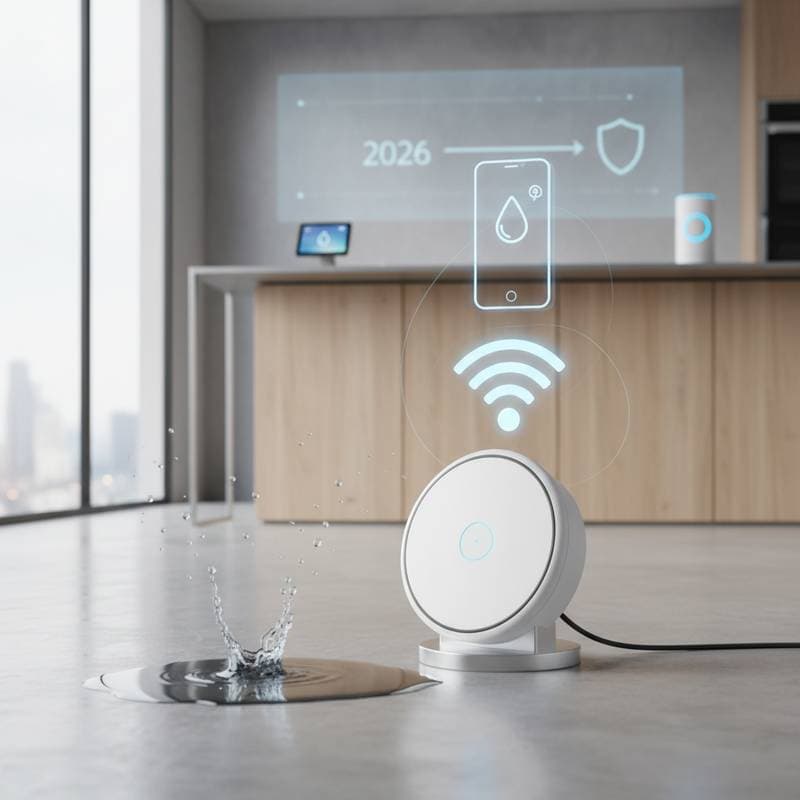
- Easy installation: Most require no wiring, allowing placement in minutes using adhesive or brackets.
- Smart integration: Works with Alexa, Google Home, or Apple HomeKit for seamless automation.
- Insurance benefits: Some providers offer discounts for having sensors installed, potentially reducing premiums by up to 10 percent.
How Smart Flood Sensors Prevent Water Damage
Smart flood sensors identify water presence at the earliest stage, providing immediate notifications that allow homeowners to intervene before significant harm occurs. Unlike conventional detection methods, which rely on visible signs such as warped floors or stained walls, these devices monitor for moisture continuously. Placed strategically in vulnerable locations, they ensure that even minor leaks receive prompt attention.
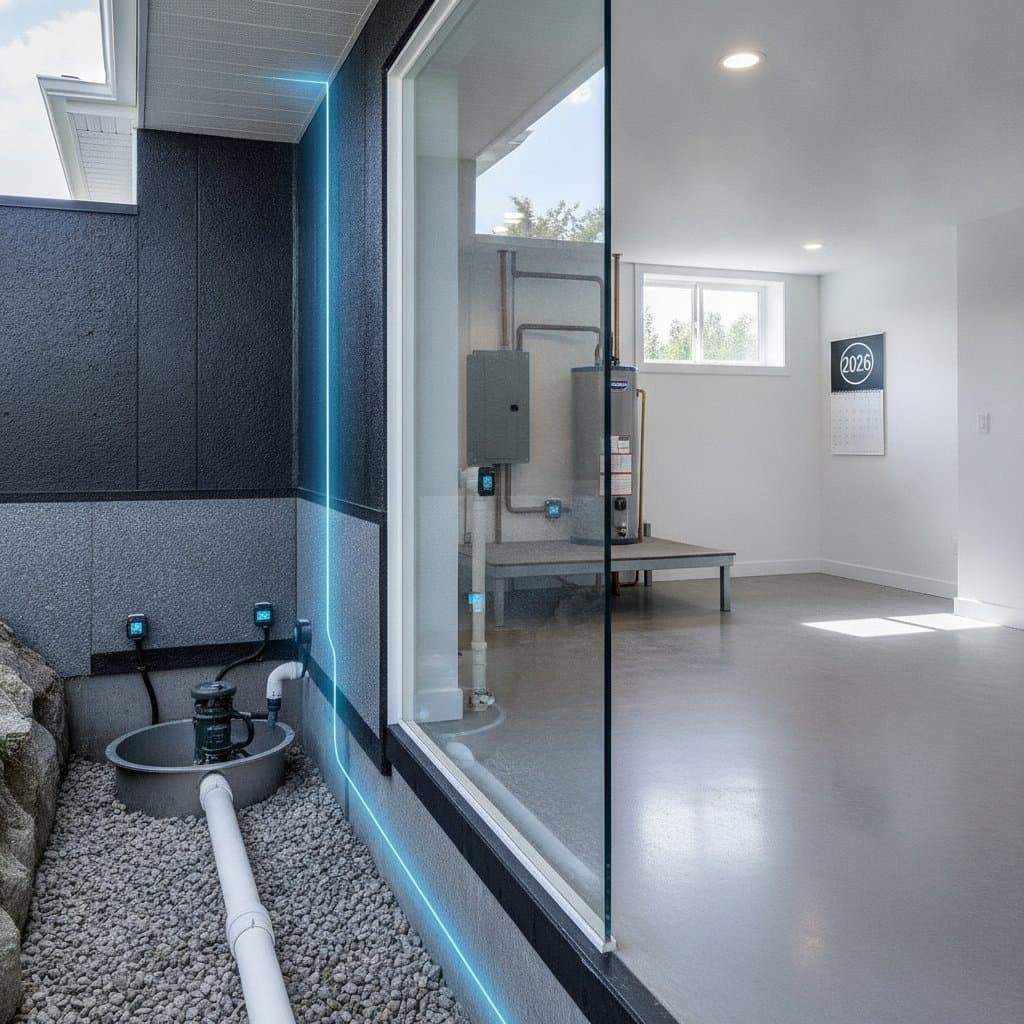
High-risk areas include water heaters, sump pumps, and washing machines, where sensors detect a thin layer of water or humidity. Upon activation, the device transmits alerts directly to a smartphone application or integrates with a home automation system to trigger responses. For instance, it might close an automatic shutoff valve or activate a dehumidifier, limiting the spread of water and protecting structural elements like wood framing and electrical wiring.
This proactive approach transforms potential disasters into manageable incidents. Consider a scenario where a dishwasher hose develops a slow drip overnight; without detection, it could lead to extensive flooding by morning. A sensor ensures that homeowners receive an alert within seconds, enabling quick action to mitigate risks.
Key Features to Consider in Smart Flood Sensors
Selecting the right sensor involves evaluating capabilities that align with household needs and existing technology. Effective models prioritize rapid detection, reliable connectivity, and durability to provide long-term value. Homeowners should focus on devices that offer comprehensive monitoring beyond basic moisture detection.
- Wireless connectivity: Options with Wi-Fi or Bluetooth deliver real-time notifications to mobile devices, ensuring accessibility regardless of location.
- Battery backup: Essential for maintaining functionality during power disruptions, with many models offering up to two years of operation on a single set of batteries.
- Temperature monitoring: This feature identifies conditions that could lead to pipe bursts from freezing, alerting users to potential issues before they escalate.
- Expandable probes: These extend detection to confined spaces, such as under cabinets or behind appliances, enhancing coverage without multiple units.
- Smart hub compatibility: Integration with platforms like Amazon Echo or Google Nest allows for automated responses, such as turning off water supply lines.
To illustrate differences among models, the following table compares basic and advanced options:
| Feature | Basic Sensor | Smart Sensor |
|---|---|---|
| Detection | Moisture only | Moisture and temperature |
| Alerts | Local alarm | Mobile notifications and app integration |
| Integration | None | Works with smart home systems |
| Cost Range | $20 to $50 per unit | $50 to $150 per unit |
| Battery Life | 1 year | 2 years or rechargeable |
Popular brands like Moen Flo or YoLink offer these features, with installation guides available in their packaging for straightforward setup.
Evaluating the Value of Smart Flood Sensors
Investing in smart flood sensors proves worthwhile when weighed against the financial impact of water damage. Repairs from a single undetected leak often exceed $5,000, covering expenses for flooring replacement, drywall restoration, and mold remediation. In comparison, sensors cost between $20 and $150 each, making them an affordable safeguard.
Homeowners typically deploy multiple units in key areas: behind toilets to catch supply line failures, under sinks for drain issues, near dishwashers for hose wear, and in basements for groundwater seepage. This multi-point strategy covers the home comprehensively. Insurance companies recognize this diligence; providers such as State Farm and Allstate may apply premium discounts for verified installations, further offsetting costs.
Beyond immediate savings, these devices contribute to long-term home maintenance. Regular alerts encourage timely inspections of plumbing systems, preventing minor problems from compounding. Over time, this vigilance preserves property value and reduces the frequency of emergency service calls.
Addressing Common Homeowner Concerns
Do flood sensors require Wi-Fi for operation? While most rely on Wi-Fi for remote alerts, certain models include local storage or Bluetooth pairing for notifications within the home. This ensures functionality even in areas with intermittent internet.
How frequently do batteries need replacement? Replacement occurs annually for standard models, though lithium-based options in premium units extend to two years. Environmental factors like humidity influence longevity, so checking manufacturer specifications helps in planning.
Can these sensors detect humidity or condensation? Advanced versions incorporate humidity sensors to identify gradual moisture buildup from sources like poor ventilation or slow leaks. This capability distinguishes between harmless condensation and emerging problems, providing nuanced alerts.
What about installation in older homes? Sensors adapt well to various structures; wireless designs avoid the need for electrical modifications. Professional assistance remains an option for complex placements, though most users complete setup independently in under 30 minutes.
Strengthening Home Protection Through Proactive Measures
Incorporating smart flood sensors elevates a home's resilience against water-related threats, safeguarding investments in structure and furnishings. These devices integrate effortlessly with evolving smart home ecosystems, offering automation that responds faster than human intervention alone. Homeowners who install them gain assurance in their property's defenses.
Future advancements promise enhanced capabilities, including AI-driven predictive analytics for leak prevention and compatibility with broader energy management systems. Acting promptly to equip high-risk areas positions residences for compliance with upcoming building codes and insurance requirements. This forward-thinking approach maintains dryness, security, and operational efficiency in the face of environmental challenges.