Key Takeaways
- New flood-proofing mandates require homeowners to strengthen basement waterproofing and drainage systems.
- Effective approaches integrate structural sealing, intelligent drainage solutions, and reliable backup power sources for pumps.
- Compliance with updated insurance and safety standards safeguards long-term property value.
Understanding the New Flood-Proofing Mandates
Homeowners with below-grade spaces must assess their basements' resistance to water intrusion. Updated flood-proofing mandates apply to properties in flood-prone or moderate-risk zones, demanding elevated waterproofing and drainage standards.
These regulations aim to minimize expensive flood damage and insurance claims. Property owners should examine foundation integrity, modernize sump pump systems, and verify that basement finishing adheres to moisture-control guidelines.
Key Highlights
- Primary Focus: Prevent water entry and manage any that penetrates.
- Essential Upgrades: Sump pumps, backflow valves, perimeter drains, and waterproof coatings.
- Property Benefits: Adherence enhances resale potential and decreases insurance premiums.
Basement Waterproofing Methods That Satisfy the New Standards
Compliance typically demands a blend of interior and exterior waterproofing techniques.
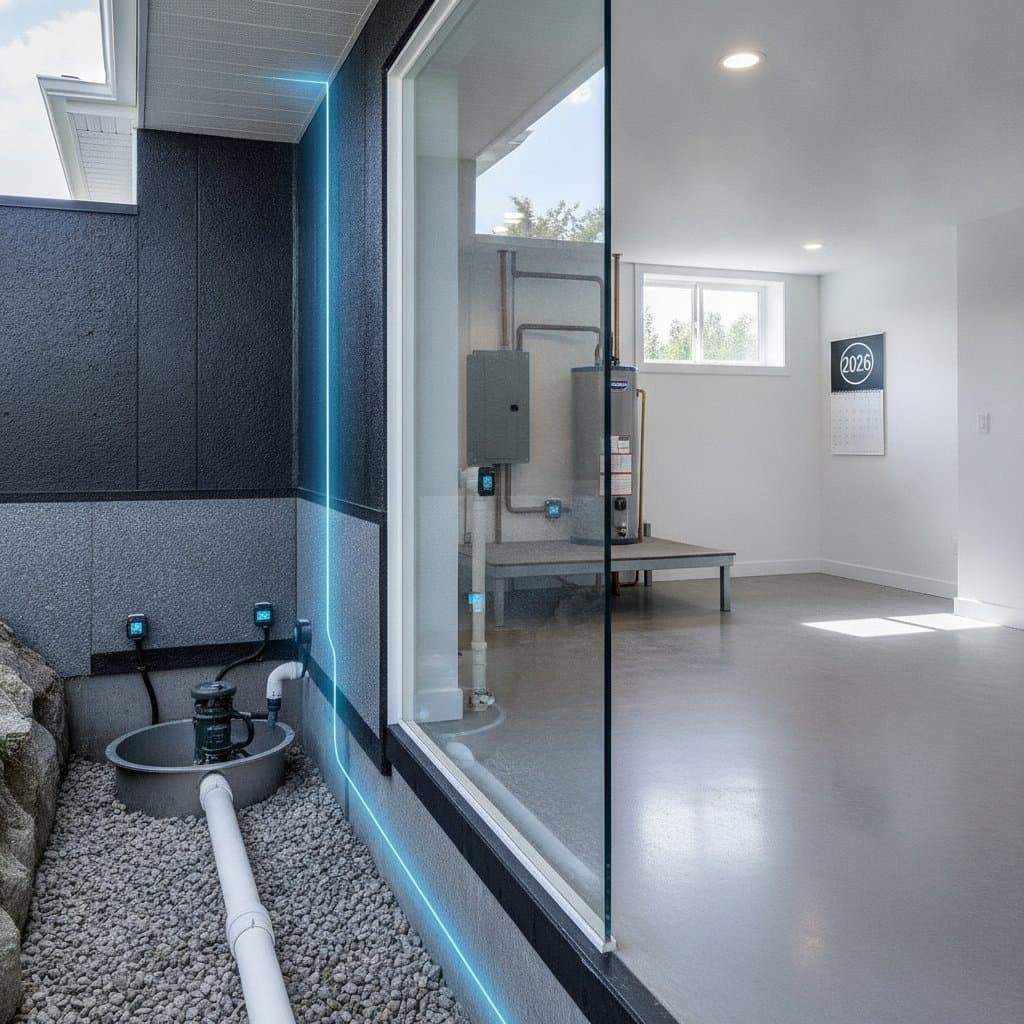
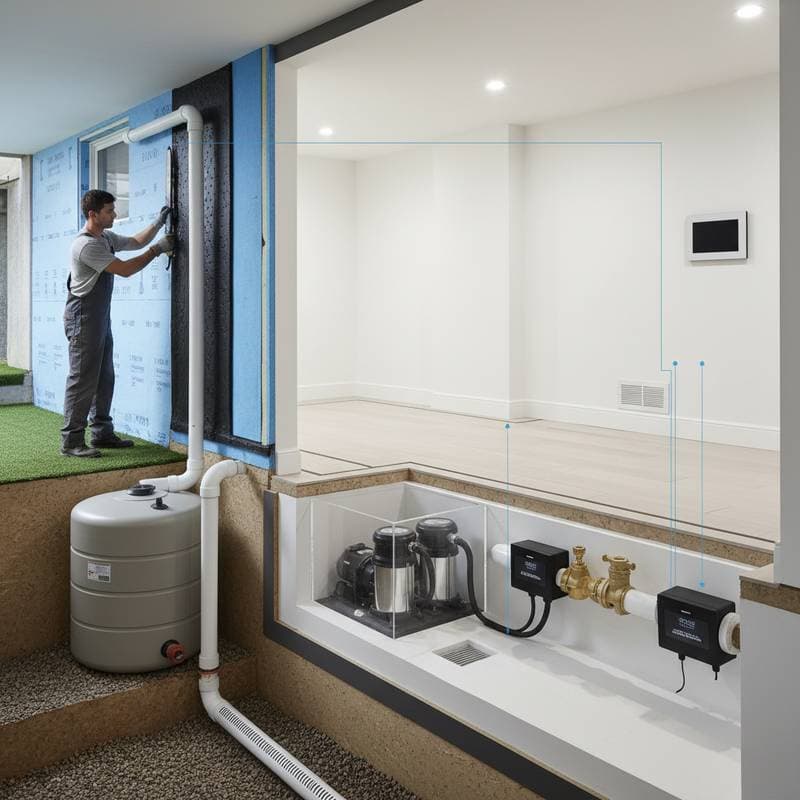
Exterior Waterproofing seals foundation walls from the outside to halt groundwater penetration. Standard components include:
- Waterproof membranes or coatings on exterior walls.
- Drainage boards or gravel layers that channel water to a French drain or weeping tile.
- Footing drain systems linked to a sump pit for controlled discharge.
Interior Waterproofing addresses water that enters despite exterior efforts. Proven methods encompass:
- Sealants or vapor barriers applied to interior foundation walls.
- Sump pumps equipped with battery or generator backups.
- Interior drain tile systems installed under the concrete floor to intercept seepage.
Integrating both approaches delivers comprehensive compliance and enduring reliability.
| System Type | Typical Cost Range | Lifespan | Ideal For |
|---|---|---|---|
| Exterior Waterproofing | $8,000 - $15,000 | 25+ years | Severe water issues or new builds |
| Interior Sealants & Drains | $2,000 - $6,000 | 10-20 years | Minor to moderate moisture |
| Sump Pump Setup | $1,000 - $3,000 | 10-15 years | Most basements needing drainage |
| Backflow Valve | $500 - $1,200 | 10+ years | Homes with municipal sewer lines |
Verifying Basement Compliance with the New Rules
Contact your local building or environmental office to obtain current flood-zone maps and compliance checklists. Numerous municipalities now mandate waterproofing records during home sales or renovations.
Engage a certified waterproofing inspector to review:
- Foundation cracks and wall moisture levels.
- Drainage slope surrounding the property.
- Gutter and downspout capacity.
- Pump reliability and backup functionality.
Such an evaluation distinguishes necessary upgrades from optional enhancements. Retain documentation of all modifications, as insurers frequently require evidence for premium adjustments or claim approvals.
The Rising Importance of Sump Pumps and Backflow Valves
Sump pumps and backflow valves serve as primary safeguards against heavy rainfall or elevated groundwater. A sump pump gathers water from drain tiles and expels it from the property. Recent mandates emphasize or mandate backup mechanisms to function during power failures.
Backflow valves block sewage backup into basements via drains during municipal overflows. Overlooking this device risks contamination and substantial remediation expenses.
Practical Tips for Pumps and Valves
- Test the sump pump quarterly by adding water to the pit.
- Ensure the discharge line remains unobstructed and directed away from the foundation.
- Consider a water-powered backup if space limits battery options.
- Inspect and clean the backflow valve once a year.
Insurance Implications and Compliance Expenses
Flood insurance carriers enforce stricter coverage criteria. Properties lacking certified waterproofing may encounter elevated premiums or limited claim coverage. Proactive compliance reduces future expenses and claim complications.
Costs for inspections and upgrades fluctuate by location and home characteristics. Fundamental compliance might total several thousand dollars, whereas comprehensive systems for older or high-risk properties could exceed ten thousand. These investments frequently yield savings through averted repairs and heightened durability.
Integrating Flood-Proofing with Design and Comfort
Flood-proofing need not detract from aesthetics. Homeowners increasingly select moisture-resistant materials that maintain warmth and appeal. Luxury vinyl planks replicate hardwood while repelling water. Decorative concrete, ceramic tiles, and stone-inspired surfaces gain favor for lower levels.
Incorporate subtle drainage elements, such as covered recessed floor channels or hidden pump enclosures. These features enhance safety without diminishing visual appeal.
Addressing Common Homeowner Concerns
Does basement waterproofing reduce insurance premiums?
Documented waterproofing upgrades qualify for premium reductions from most insurers. Preserve inspection reports and receipts to access these benefits.
Is basement finishing possible after flood-proofing?
Yes, provided moisture-resistant materials are used and access to sump and drain systems remains available for maintenance.
Is both interior and exterior waterproofing necessary?
Not in every case. Minor seepage may suffice with interior measures alone. High-risk zones generally necessitate both for complete adherence.
What are the consequences of neglecting upgrades?
Non-compliance may lead to rejected claims, increased repair outlays, and obstacles in sales or refinancing.
Sustaining Your Flood-Proofed Basement
After achieving compliance, maintain system performance through routine checks. Inspect drains, clear gutters, and test pumps prior to each rainy season.
View adherence as an investment in livability and security. A protected basement expands functional space, secures storage, and eliminates frequent repair concerns.