Understanding Flood-Resistant Flooring
Floods pose significant threats to residential structures, often resulting in extensive damage and elevated insurance costs. Flood-resistant flooring emerges as a proactive solution, designed to withstand water exposure without compromising structural integrity or visual appeal. These materials prevent absorption, thereby reducing the likelihood of mold growth and subsequent claims.
Homeowners benefit from installations that align with modern building codes and insurance incentives. Insurers frequently offer premium reductions for properties equipped with such features, as they demonstrate risk mitigation. Selecting appropriate flooring involves assessing local climate risks and personal design preferences.
Benefits for Insurance and Home Protection
Implementing flood-resistant flooring directly impacts insurance dynamics. Claims related to water damage account for a substantial portion of homeowner policies, with average payouts exceeding thousands of dollars per incident. Materials that resist saturation minimize repair needs, leading to fewer filed claims and potential policy discounts.
Beyond financial advantages, these floors enhance overall home resilience. They maintain functionality during and after flooding events, allowing quicker recovery times. Durability ensures long-term value, as replacements become less frequent compared to traditional options.
Environmental considerations also play a role. Many flood-resistant products incorporate sustainable elements, appealing to eco-conscious buyers while meeting stringent safety standards. This combination fosters both practical and ethical home improvements.
Key Flood-Resistant Flooring Options for 2026
Rigid Core Vinyl Planks
Rigid core vinyl represents a leading choice for flood-prone areas due to its waterproof composition. This material features a rigid stone-polymer core that prevents warping under prolonged moisture exposure. Available in diverse patterns mimicking hardwood or tile, it suits various interior styles.
Installation proves straightforward, often requiring floating methods over existing subfloors. Thickness options range from 4mm to 8mm, influencing both cost and performance. Expect lifespans of 20 to 30 years with proper maintenance, significantly outlasting laminate alternatives.
Sealed Concrete Surfaces
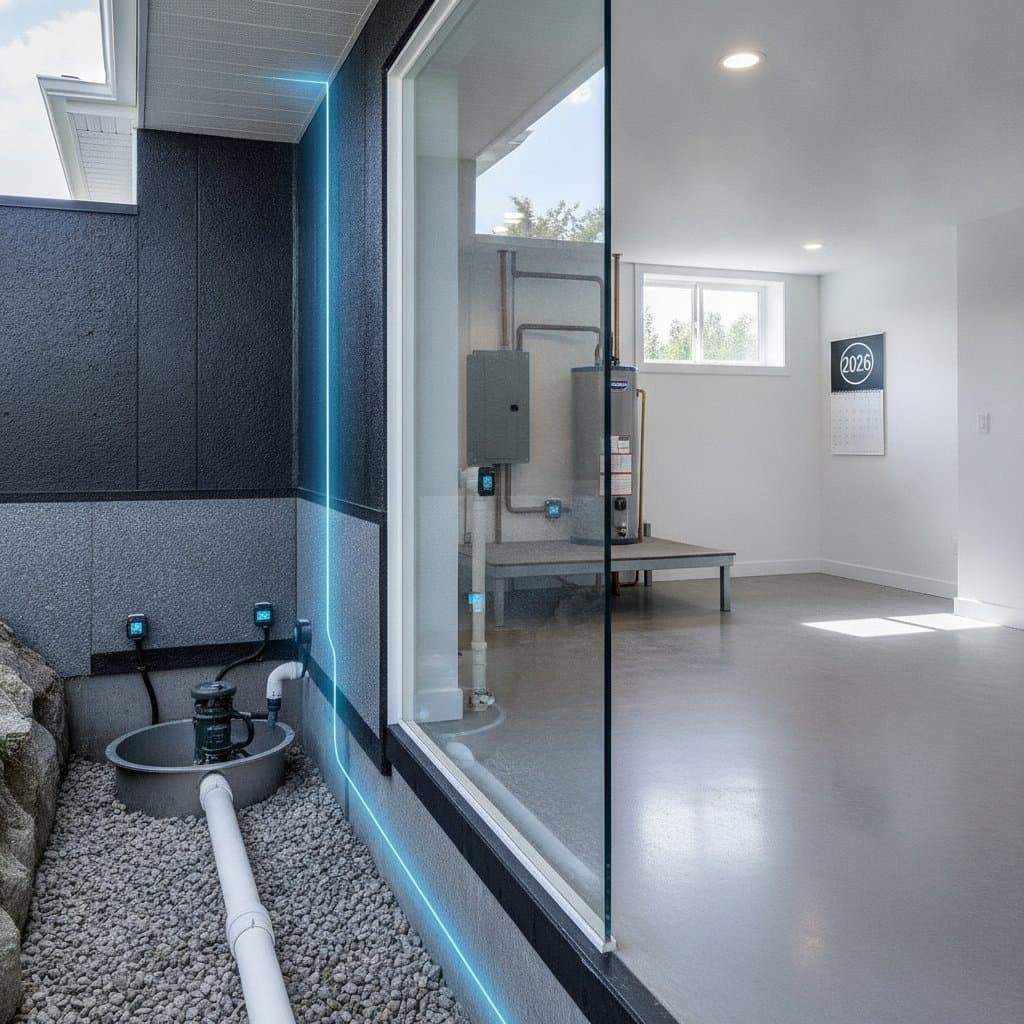
Sealed concrete offers industrial strength for basements and garages susceptible to flooding. The process involves polishing and applying epoxy or polyurethane sealants that create impermeable barriers. This treatment transforms raw concrete into a sleek, low-maintenance finish resistant to stains and water.
Customization allows for color tints and texture variations, integrating seamlessly with contemporary designs. Durability reaches 50 years or more, with minimal upkeep beyond periodic resealing every five to seven years. Costs vary based on square footage, but long-term savings offset initial investments.
Luxury Vinyl Tiles with Click-Lock Systems
Luxury vinyl tiles utilize advanced click-lock mechanisms for seamless, watertight installations. These tiles boast multi-layered constructions, including wear-resistant topcoats that repel liquids effectively. Ideal for kitchens and bathrooms, they provide cushioning underfoot while ensuring stability.
Design versatility includes realistic stone or wood replicas, enhancing room aesthetics without vulnerability. Thicknesses of 5mm to 7mm support heavy traffic, and warranties often extend to 25 years. Professional installation recommended for optimal adhesion and performance.
Elevated Bamboo or Engineered Wood Alternatives
For those preferring natural aesthetics, elevated bamboo flooring with waterproof sealants provides viable options. Engineered wood layers, combined with hydrophobic finishes, resist swelling from humidity or spills. Installation on raised subfloors adds an extra layer of flood protection.
Sustainability appeals to many, as bamboo regenerates quickly compared to traditional hardwoods. Visual warmth complements rustic or modern decors, though professional sealing remains essential. Lifespans average 15 to 25 years, with costs reflecting premium quality.
Selecting the Right Flooring for Your Home
Evaluate your home's specific flood risks by consulting local hazard maps and past event data. Consider room usage; high-traffic areas demand thicker, more resilient materials. Budget plays a key role, with initial costs ranging from $3 to $12 per square foot, balanced against insurance savings.
Professional assessments ensure compatibility with existing structures. Test samples for color and texture in actual lighting conditions. Factor in maintenance requirements, as some options need occasional treatments to sustain waterproofing.
Compare warranties and certifications from bodies like the National Flood Insurance Program. These endorsements validate performance claims and support insurance negotiations. Prioritize products with proven track records in similar climates.
Installation and Maintenance Best Practices
Proper installation forms the foundation of flood resistance. Hire certified contractors familiar with moisture barriers and vapor seals. Prepare subfloors by ensuring they are level and dry, removing any organic materials prone to decay.
During setup, apply recommended underlayments for added insulation and soundproofing. Avoid adhesives in flood zones; opt for mechanical fastening or floating systems instead. Post-installation inspections verify seam integrity and overall adhesion.
Maintenance involves prompt spill cleanup and routine inspections for wear. Use pH-neutral cleaners to preserve sealant integrity. Annual professional checks extend material life, preventing minor issues from escalating into costly repairs.
Long-Term Value and Insurance Integration
Investing in flood-resistant flooring yields measurable returns through reduced claims and enhanced property value. Appraisals often reflect these upgrades, appealing to future buyers in vulnerable regions. Insurers may require documentation of installations for discount eligibility.
Track savings over time by monitoring policy adjustments and avoided repairs. Community programs sometimes subsidize such improvements, further lowering barriers to adoption. This strategic approach not only protects assets but also promotes peace of mind.
Homeowners who integrate these solutions report fewer disruptions from weather events. The blend of functionality and style ensures living spaces remain inviting year-round. Embrace these advancements to fortify your home against unpredictable floods.