Basement Waterproofing: Boosting Home Value by 2026
Moisture intrusion in basements continues to rank among the most expensive and avoidable problems in residential structures. Water seepage damages flooring, drywall, and even the foundation itself over time. Homeowners who prioritize property value find that basement waterproofing delivers clear benefits, including higher resale prices, lower ongoing costs, and additional usable space that attracts buyers looking for reliable, comfortable homes.
Effective waterproofing goes beyond temporary fixes. It protects against long-term deterioration and enhances the overall appeal of the property. By addressing water issues proactively, owners can avoid emergency repairs and position their homes favorably in competitive markets projected through 2026.
Understanding Waterproofing Systems
Basement waterproofing systems control hydrostatic pressure and redirect water away from the foundation to prevent entry into the structure. Exterior methods apply polymer coatings, install drain tiles, and use protective membranes to create a robust barrier along the foundation walls. These approaches block water at its source, reducing the risk of cracks and erosion.
Interior systems, on the other hand, manage water that has already entered. They incorporate sump pumps to expel collected water, vapor barriers to block moisture transmission, and channel drains to guide seepage toward exit points. Homeowners often choose interior options for their straightforward installation in existing homes.
The best results come from combining both interior and exterior techniques. This hybrid strategy handles water from various sources, such as surface runoff or rising groundwater. Professionals assess the home's specific vulnerabilities to recommend the optimal mix, ensuring comprehensive protection.
Factors Influencing Regional Performance
Local climate plays a critical role in how basements encounter moisture. In humid areas or regions with clay-rich soils, groundwater accumulates and exerts strong lateral pressure on walls. This setup demands systems that excel at managing persistent saturation.
Northern locations face unique challenges from freeze-thaw cycles. Water in small cracks expands when frozen, widening those gaps and inviting further intrusion. Waterproofing designs in these zones emphasize flexible sealants and insulation to withstand temperature swings.
Coastal and flood-prone areas deal with elevated water tables that cause rapid hydrostatic buildup. Here, installations require multiple sump pumps and coatings resistant to high permeability. Tailoring the system to soil type, annual rainfall, and elevation ensures it performs reliably under local conditions.
Homeowners benefit from consulting regional data on precipitation trends and soil reports. Such information helps select materials that align with environmental demands, extending the system's lifespan and effectiveness.
Evaluating Different System Options
Choosing the right waterproofing system involves weighing efficiency, cost, and long-term returns. The table below outlines key comparisons to guide decisions.
| System Type | Efficiency Rating | Estimated Cost per Sq. Ft. | Maintenance Frequency | Typical ROI |
|---|---|---|---|---|
| Interior Drainage | Moderate | $7 - $10 | Annual pump inspection | 20% |
| Exterior Membrane | High | $12 - $18 | Minimal | 25% |
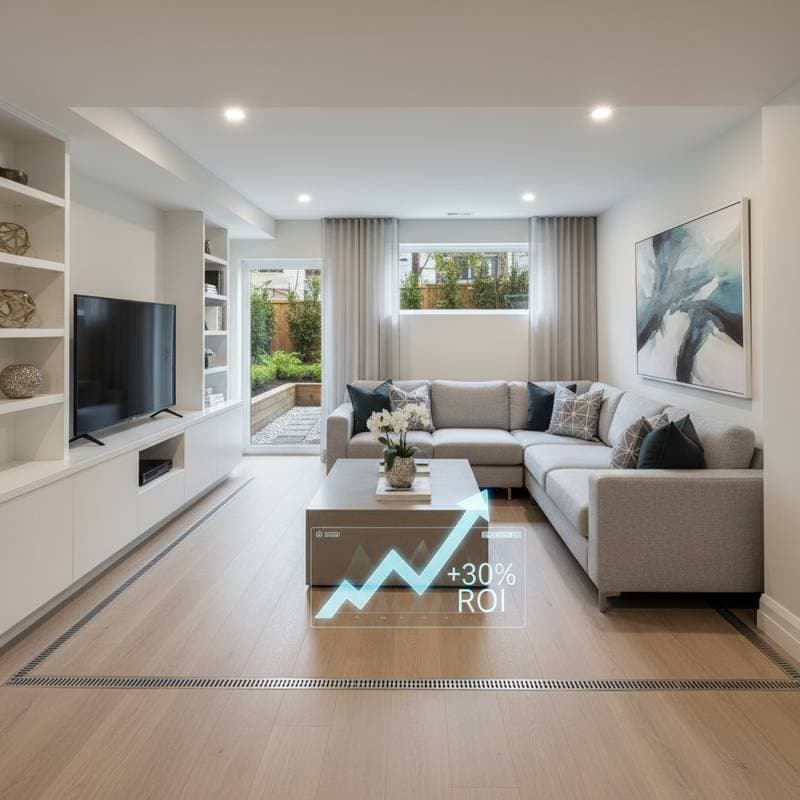
| Combined System | Highest | $15 - $22 | Minimal | 30% |
Interior drainage suits budgets focused on quick retrofits, though it may not fully prevent exterior wall damage. Exterior membranes offer stronger defense against foundational threats but require digging around the property. Combined systems maximize returns by addressing infiltration and internal moisture comprehensively.
Consider the home's age and layout when selecting. Older foundations might need exterior reinforcement to stabilize shifting soils, while newer builds benefit from integrated designs that enhance energy efficiency.
Incorporating Waterproofing into Broader Home Systems
View basement waterproofing as an essential component of the home's overall building envelope. Ensure proper site grading slopes away from the foundation, and extend downspouts at least five feet to divert roof water effectively. Apply foundation sealants to fill minor cracks before full system installation.
In finished basements, install vapor barriers behind drywall to combat condensation and inhibit mold. Sump pump wiring must comply with local electrical codes, and adding battery backups prepares for outages during heavy rains. These integrations create a seamless defense that supports the home's structural health.
Energy savings emerge as a bonus. Dry basements maintain consistent temperatures, reducing heating and cooling demands. This efficiency appeals to eco-conscious buyers and lowers utility bills over time.
Sustaining Value Through Ongoing Care
A professionally installed waterproofing system elevates home value by fostering better indoor air quality and eliminating moisture-related flaws. Prospective buyers view a dry, odor-free basement as evidence of solid maintenance and foresight. Such features can justify premium pricing in appraisals.
To preserve these advantages, schedule inspections of seals, drains, and pumps every two to three years. Check for clogs in discharge lines and test pump functionality during dry periods. Early detection of wear prevents minor issues from escalating into major repairs.
Document all maintenance and upgrades for resale. Records demonstrate proactive care, building buyer confidence and potentially speeding up the selling process.
Steps to Implement Waterproofing Successfully
Start with a thorough foundation assessment by a certified structural engineer or waterproofing specialist. This evaluation includes soil testing to identify drainage patterns, moisture level measurements, and crack analysis. Use these insights to customize the system design and choose durable materials suited to your property.
Obtain multiple quotes from reputable contractors to compare approaches and warranties. Look for firms experienced in your region's challenges, and verify licensing and insurance. With a well-planned investment, expect immediate improvements in comfort alongside equity gains that secure your home's future value through 2026 and beyond.