Flood-Resistant Flooring: Secure 2026 Insurance Discounts
Homeowners often face unexpected water damage during renovations, turning planned upgrades into costly repairs. One personal experience with basement flooding highlighted the value of proactive measures. Flood-resistant flooring not only protects against moisture but also qualifies properties for insurance premium reductions of 5 to 15 percent starting in 2026.
Project Overview
Average Cost: $5,000 to $14,000
Timeline: 1 to 3 weeks
Lifespan: 15 to 30 years
Best Season: Spring
DIY Friendly: Partial
Permits: Generally not required unless structural subfloor changes are planned
Understanding Total Expenses
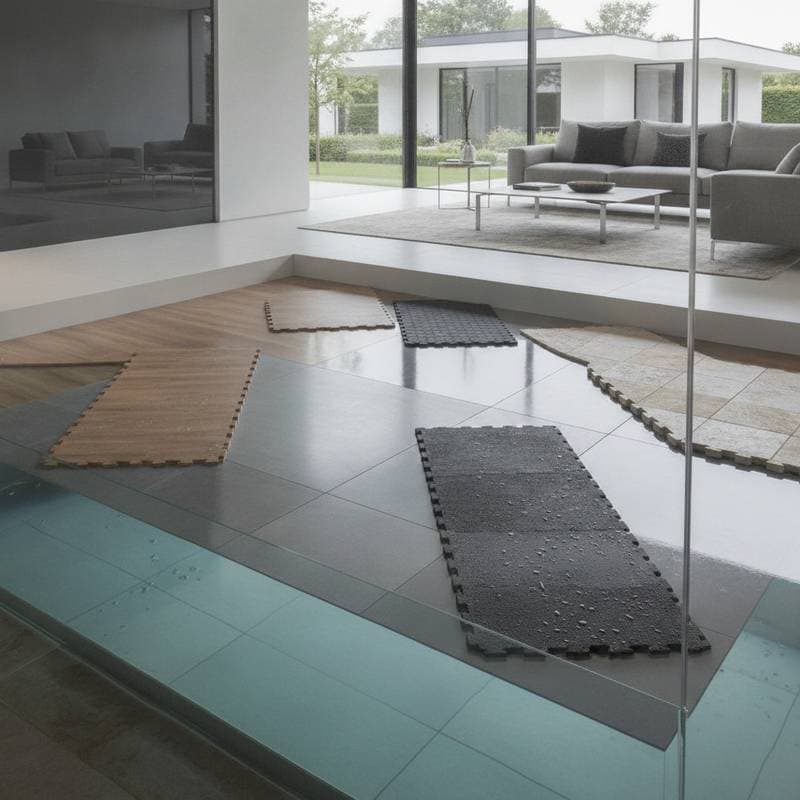
Subfloor preparation often surprises homeowners during flood-proofing projects. Effective protection begins with moisture barriers and insulation beneath the surface material. These foundational elements prevent long-term damage from humidity and spills.
Material and Labor Breakdown (for 500 square feet):
- Luxury Vinyl Tile: $2,500 to $4,000 total, including installation
- Concrete Epoxy Finish: $2,000 to $3,500 total, valued for durability
- Porcelain Tile: $4,000 to $7,000 total, offering superior water resistance
In coastal or flood-prone areas, labor costs increase by 10 to 20 percent due to the need for specialized waterproofing experts. Inland regions may see lower rates, yet verification of certified adhesives and underlayments remains essential for all installations.
Optimal Installation Schedule
Spring provides the ideal period for installing flood-resistant flooring, preceding intense storm seasons. Material supplies stabilize during this time, and contractors schedule more readily before summer demands peak.
Regions with predictable flooding should avoid peak rainfall periods to prevent project delays. Incorporate a two-week buffer into timelines to accommodate extended drying or curing processes from unforeseen weather.
Essential Safety and Compliance Measures
Local building codes dictate specific moisture barrier standards, particularly for basements and ground-level floors. Municipalities may mandate vapor barriers to ensure structural integrity. Neglecting these requirements risks inspection failures and warranty invalidation.
Key safety protocols include:
- Electrical Precautions: Avoid areas near outlets or wiring if prior water exposure exists. Engage a licensed electrician for pre-installation inspections.
- Mold Mitigation: Protective equipment is mandatory when handling mold-affected materials. Professional remediation services ensure safe conditions before new flooring installation.
- Slip Prevention: Select textured surfaces for high-traffic zones like entryways and basements to minimize risks on damp floors.
Adhering to these guidelines safeguards occupants and strengthens insurance claims by evidencing risk reduction efforts.
Sustained Benefits and Investment Returns
Flood-resistant upgrades yield returns extending past immediate insurance savings. Properties with verified mitigation features command 2 to 5 percent higher resale prices, appealing to buyers seeking reduced flood vulnerabilities. Real estate professionals emphasize these enhancements in flood-impacted markets.
Beyond finances, such flooring maintains structural stability against humidity, eliminating warping and persistent odors. This reliability reduces ongoing upkeep, transforming vulnerable spaces into functional areas. The shift from damp discomfort to reliable usability justifies the initial outlay.
Steps to Implement Your Upgrade
Examine your current insurance policy for flood mitigation rebates. Solicit quotes from at least three waterproofing specialists, requesting evidence of manufacturer certifications and subfloor membrane samples. Evaluate options based on pricing, warranties, and installation expertise.
For DIY approaches, begin with confined areas such as laundry rooms or mudrooms. Apply moisture barriers meticulously, maintain uniform expansion gaps, and secure edges with waterproof silicone sealant. Professional consultation ensures compliance and longevity for larger projects.