New Flood Rules Could Raise Your Insurance—Or Lower It
Key Takeaways
- New national insurance standards require homeowners to meet flood-resilient criteria to maintain coverage or qualify for premium discounts.
- Proactive basement waterproofing lowers insurance costs, prevents structural damage, and increases long-term property value.
- Combining smart drainage, waterproof materials, and moisture monitoring meets compliance requirements and keeps basements dry year-round.
How Can You Make Your Basement Flood-Proof?
Quick answer: Combine proper grading, sealed foundations, reliable sump systems, and smart materials.
Flood-proofing a basement demands more than one solution. It involves a layered approach that manages water from the exterior toward the interior. Begin with the perimeter of the home and proceed inward.
1. Improve Exterior Drainage
Effective water control starts outside the structure. Examine the slope surrounding the home and verify that the ground directs water away from the foundation. An ideal drop measures one inch per foot for the first six feet. Install or maintain gutters and downspouts that extend at least six feet from the house.
For properties on low-lying ground, install a French drain or dry well to redirect water before it contacts the foundation. These installations typically cost between $3,000 and $8,000, depending on soil conditions and yard dimensions, yet they provide robust, enduring protection.
2. Seal and Reinforce Your Foundation
Even minor cracks allow moisture to enter. Apply hydraulic cement or epoxy injection to seal them, followed by an elastomeric waterproof coating on the interior foundation walls. In older structures, professionals often add a membrane barrier or an interior drain tile system beneath the slab.
Interior waterproofing projects generally range from $5,000 to $12,000, based on excavation depth and foundation type. This investment frequently yields returns through reduced insurance premiums and minimized repair expenses.
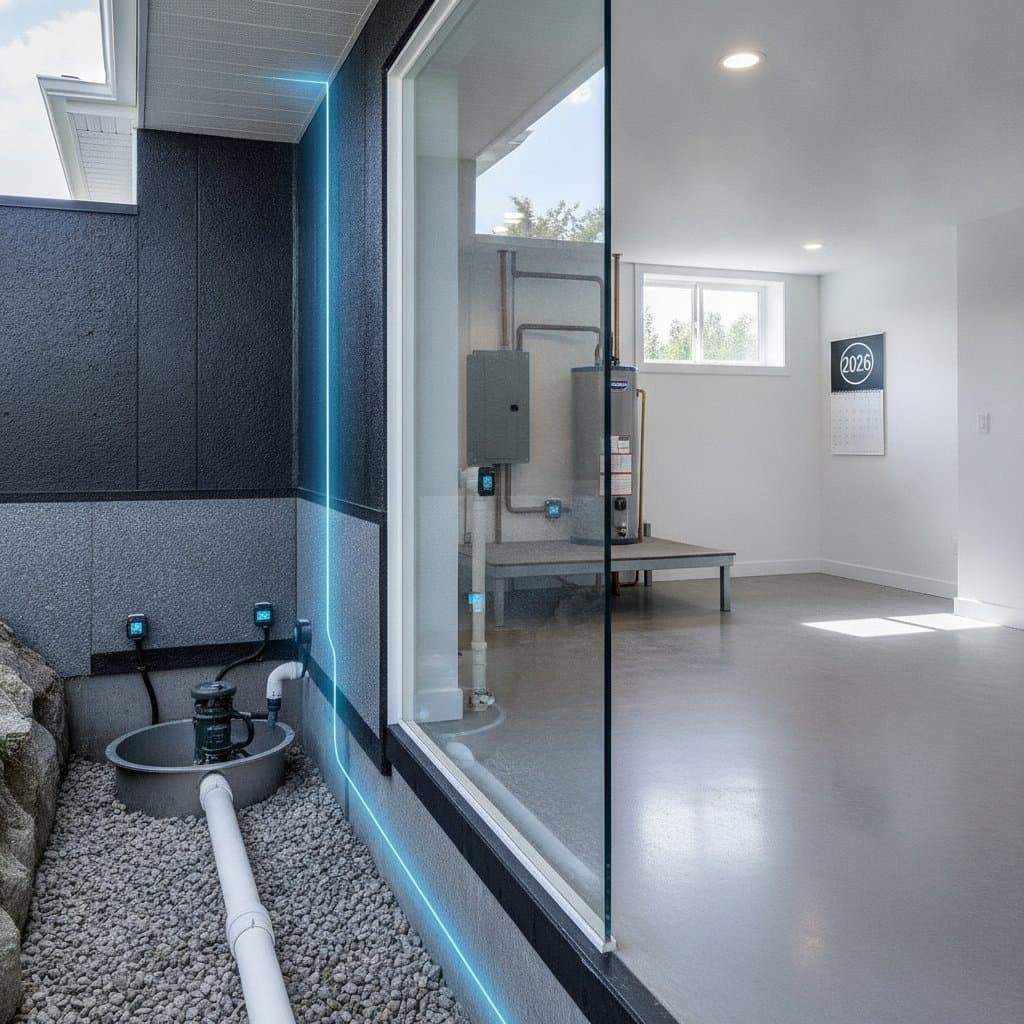
3. Upgrade Your Sump Pump and Backup Systems
The sump pump serves as the basement's primary defense. Test the unit monthly and upgrade to a battery or water-powered backup to ensure operation during power failures. Insurance providers increasingly view sump reliability as essential for compliance.
A premium pump system with backup typically costs $800 to $2,500 when installed. In colder regions, insulate discharge lines to avoid freezing.
4. Use Flood-Resistant Materials
Upcoming mandates favor materials that withstand moisture. When finishing a basement, select closed-cell foam insulation, PVC trim, and ceramic tile flooring. Steer clear of carpet, wood, or drywall in below-grade areas.
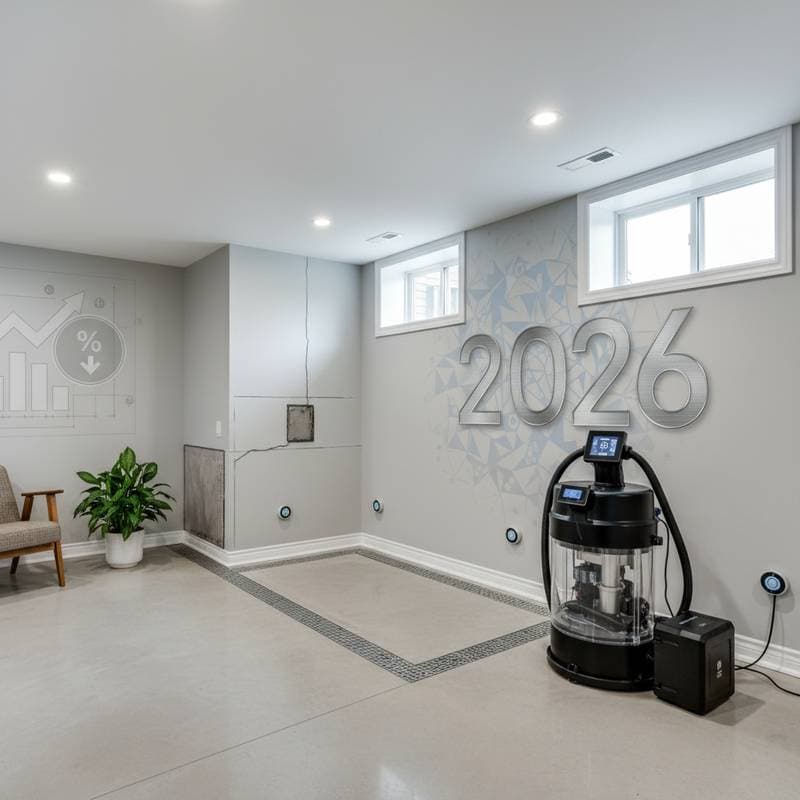
These moisture-resistant options enhance durability without sacrificing aesthetics. Designers often suggest polished concrete floors sealed with a matte waterproof topcoat for a contemporary, light-reflective appearance.
5. Add Sensors and Smart Monitoring
Smart flood sensors form a key element of compliance strategies. These compact devices identify leaks promptly and notify via smartphone. A complete system with several sensors costs less than $500 and integrates with common smart-home ecosystems.
Insurers reward such installations as proactive measures that decrease claim occurrences.
Which Features Will Insurers Prioritize?
Quick answer: Verified waterproofing, reliable drainage, and proof of maintenance.
The emerging standards emphasize preventive measures over post-flood responses. Insurers will probably demand documentation that confirms the following:
- Foundation and basement walls are sealed and inspected.
- Drainage systems function properly and receive regular maintenance.
- Sump pumps include backup power sources.
- Flood sensors are in place and actively monitored.
Certain providers might require a professional inspection or certification prior to policy renewal.
FAQ: Common Homeowner Questions
Will these requirements apply to every home?
Most single-family homes with basements or crawl spaces face these rules, although details differ by location. Properties outside high-risk flood areas may encounter less stringent mandates, but voluntary enhancements remain advantageous.
Do I need a professional inspection to prove compliance?
In most cases, yes. Insurers often request a certified evaluation or records from a licensed waterproofing specialist to verify water-resistant standards.
Can I make some upgrades myself?
Tasks such as sealing minor cracks, clearing gutters, or placing moisture sensors suit DIY efforts. Professionals should handle foundation repairs or interior drain installations to guarantee effectiveness and secure warranties.
What if my basement already has a sump pump?
Conduct regular tests and ensure it features a working check valve and backup power. Older systems may necessitate upgrades to achieve certification.
Ongoing Maintenance for Lasting Protection
Flood-proofing extends beyond insurance obligations. It represents a strategic enhancement that safeguards the property, reduces expenses, and elevates living conditions. After installation, arrange yearly inspections for all components.
Homeowners who address these changes ahead of time gain the greatest advantages. A secure, moisture-free basement fulfills regulatory needs while transforming into a functional and appealing living space.