Understanding the Ember Threat to Your Home
Wildfires produce embers that travel considerable distances, posing risks to structures well outside active flame zones. These tiny, glowing particles can infiltrate homes through small openings, igniting dry materials and causing rapid fire spread. As spring approaches and dry conditions prevail in many regions, homeowners must prioritize ember defense to protect lives and property.
Recent data from fire agencies highlight that embers account for a significant portion of home ignitions during wildfires. Structures with vulnerable vents, gaps, or combustible exteriors face heightened danger. Addressing these weaknesses early forms the foundation of effective fire hardening.
Key Strategies for Ember-Resistant Vents and Building Envelope
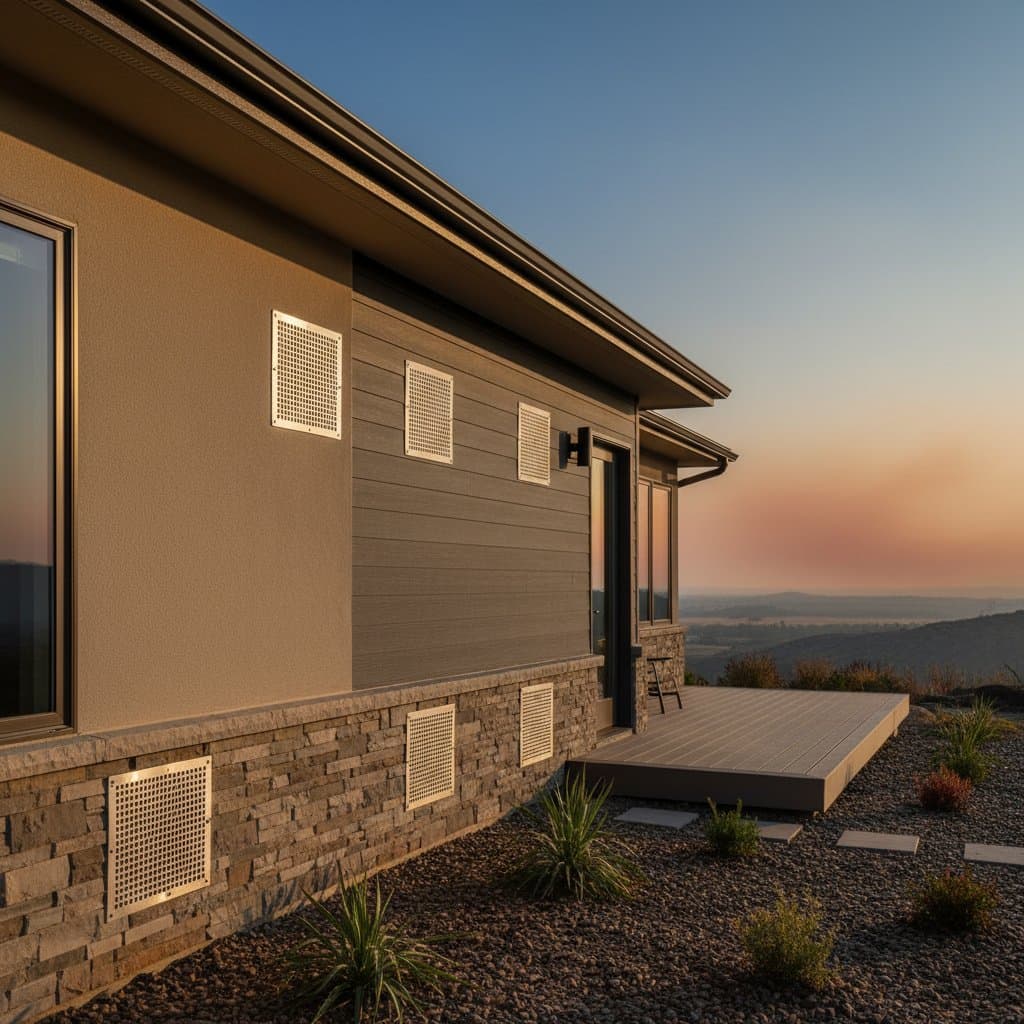
Fortifying vents represents one of the most critical steps in ember protection. Standard vents often allow easy ember entry, but upgrades using tested designs mitigate this risk. Select vents certified to ASTM E2886 standards, which evaluate resistance to ember intrusion under simulated wildfire conditions.
Beyond vents, examine the entire building envelope for vulnerabilities. Maintain at least a 6-inch vertical clearance between ground level and siding to prevent embers from accumulating near walls. Seal all gaps at roof-to-wall intersections using approved, noncombustible flashing materials that withstand high temperatures.
Install metal flashing beneath roof edges to deter ember lodging and subsequent ignition. These measures create a robust barrier, reducing the likelihood of fire entry points. For decks and eaves, apply similar principles by enclosing undersides with ember-resistant mesh screens rated for wildfire exposure.
Material Choices for Lasting Protection
Opt for noncombustible or fire-resistant materials throughout exterior upgrades. Fiber cement siding offers superior durability against embers compared to traditional wood or vinyl options. Metal roofing, with its nonflammable properties, sheds embers effectively and requires minimal maintenance.
When selecting vents, prioritize models with integrated air baffles that block embers while permitting necessary airflow. These designs often feature stainless steel construction for corrosion resistance in harsh environments. Always verify product listings from recognized testing bodies to ensure performance reliability.
Integrating Fire Hardening with Energy Efficiency
Fire-resistant modifications extend benefits beyond safety to include improved energy performance. Fiber cement siding and metal roofing minimize heat transfer, which helps reduce cooling demands during intense summer heat. These materials reflect solar radiation, keeping interiors cooler without excessive reliance on air conditioning.
Ember-resistant vents equipped with baffle systems enhance insulation value. They restrict unwanted drafts in winter, preserving indoor warmth and lowering heating costs. Proper installation ensures balanced airflow, preventing issues like condensation buildup that could compromise energy savings.
From an environmental standpoint, these upgrades promote sustainability. Noncombustible materials endure longer lifespans, decreasing the frequency of replacements and associated waste. Many fiber cement products incorporate recycled fibers, while metal roofing qualifies for full recycling at the end of its service life, supporting circular economy principles.
Navigating Regulations and Professional Expertise
Compliance with local and state building codes proves essential, particularly in wildland-urban interface zones. Regulations often mandate specific ember-resistant features for new builds and retrofits. Partnering with a licensed contractor specializing in wildfire urban interface projects guarantees adherence to these standards.
For intricate installations, engage a mechanical engineer or building performance expert. These professionals conduct airflow modeling to validate that upgraded vents sustain adequate ventilation without hindering thermal comfort. Such analysis confirms the system meets occupancy needs while upholding fire safety.
Energy auditors play a vital role in evaluating post-upgrade impacts. They measure how vent modifications influence heating, ventilation, and air conditioning efficiency. This holistic review safeguards indoor air quality and moisture management, avoiding unintended consequences like mold growth or poor humidity control.
Actionable Steps to Implement Ember Protection
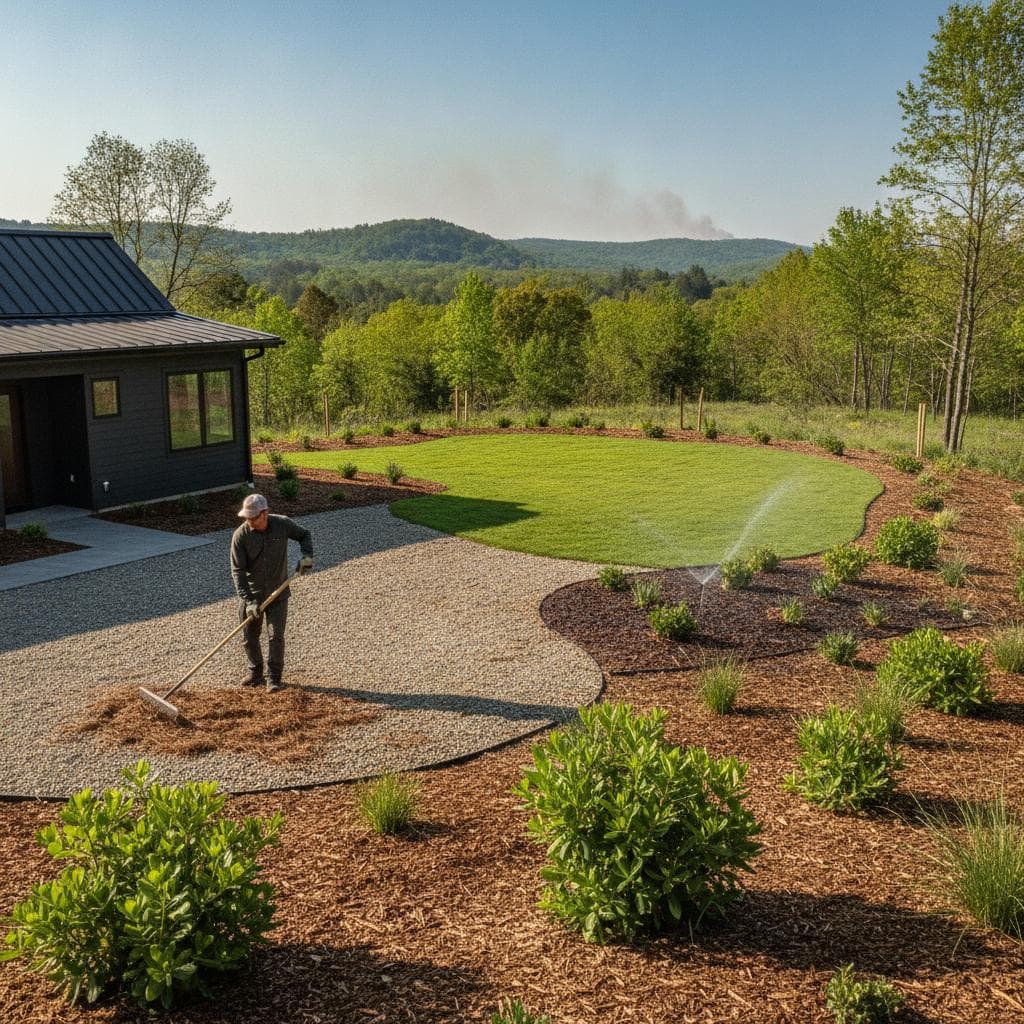
Embark on ember hardening with a systematic property assessment. Inspect all potential entry points, including soffits, attic vents, foundation gaps, and landscape features near the home. Document findings to prioritize high-risk areas for immediate attention.
Procure materials from reputable suppliers, focusing on those with wildfire certifications. Schedule upgrades during milder weather to minimize disruptions. After completion, test the system by simulating airflow and checking for secure seals.
Establish a maintenance routine to sustain effectiveness. Annually clear debris from vents and screens, and inspect flashing for wear. These practices ensure ongoing protection as wildfire patterns shift and codes evolve.
Realizing Long-Term Resilience and Savings
Investing in ember-resistant features yields multifaceted returns. Homes fortified against embers experience fewer insurance claims and potentially lower premiums from carriers recognizing enhanced risk mitigation. Energy-efficient elements translate to measurable utility bill reductions over time.
Communities benefit collectively as more resilient structures reduce firefighting demands and environmental impacts from uncontrolled blazes. Homeowners gain peace of mind, knowing their property stands ready against seasonal threats. By acting now, you position your home for enduring safety and efficiency in an era of intensifying wildfires.