Flood-Proof Floors Cut Insurance Costs in 2026
Explore 2026 flood proof flooring choices that safeguard homes and reduce insurance expenses. Compare materials, costs, and maintenance steps for resilient results.

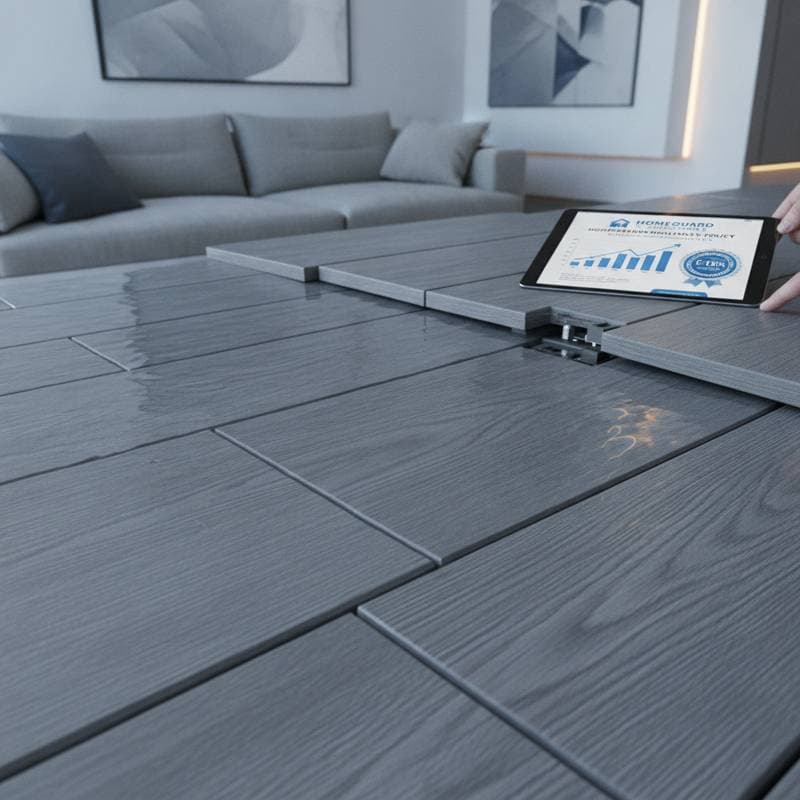
Protect your home and your wallet with flood-resistant flooring that withstands water damage and lowers insurance premiums. From vinyl and tile to sealed concrete and epoxy, these durable options reduce risk, add value, and offer peace of mind.
Explore 2026 flood proof flooring choices that safeguard homes and reduce insurance expenses. Compare materials, costs, and maintenance steps for resilient results.
New 2026 insurance rules require documented basement flood protection. This guide details maintenance tasks, professional thresholds, compliance records, and habits that reduce risk and support lower premiums.
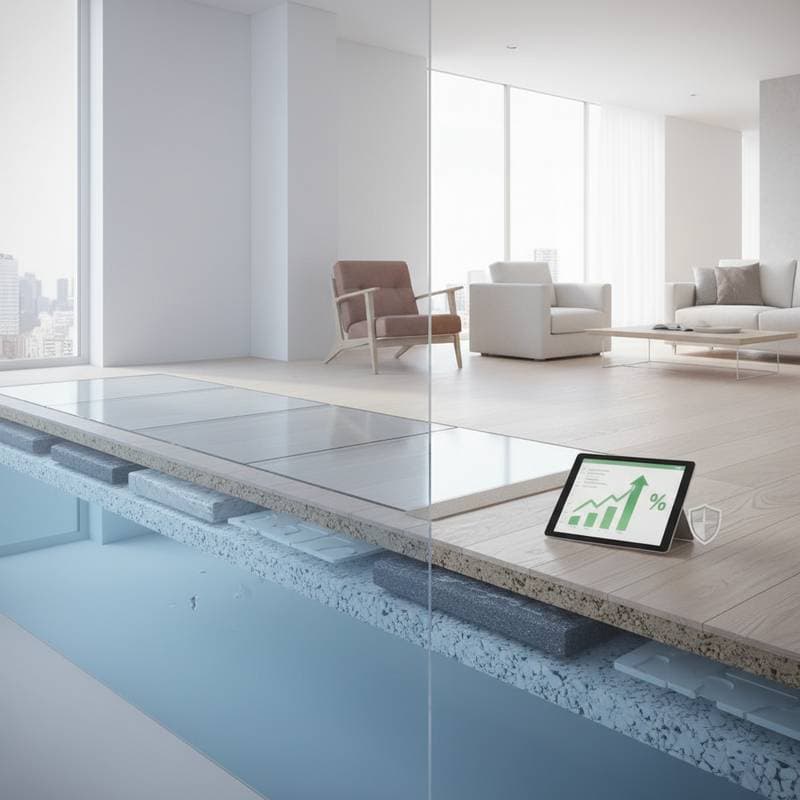
Flood proof flooring installed in 2026 protects homes from water damage, supports lower insurance premiums, and improves resale value. This guide covers material options, installation decisions, scheduling, compliance steps, and maintenance routines.
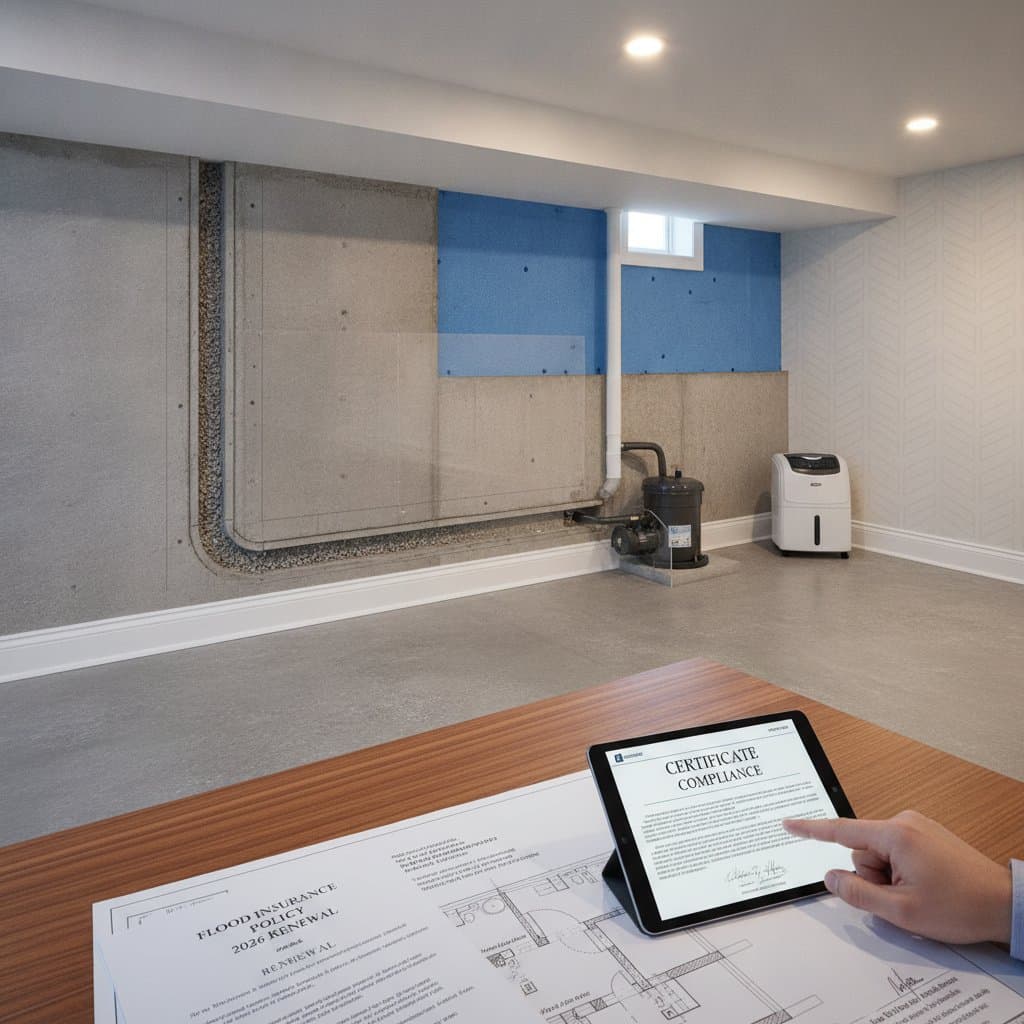
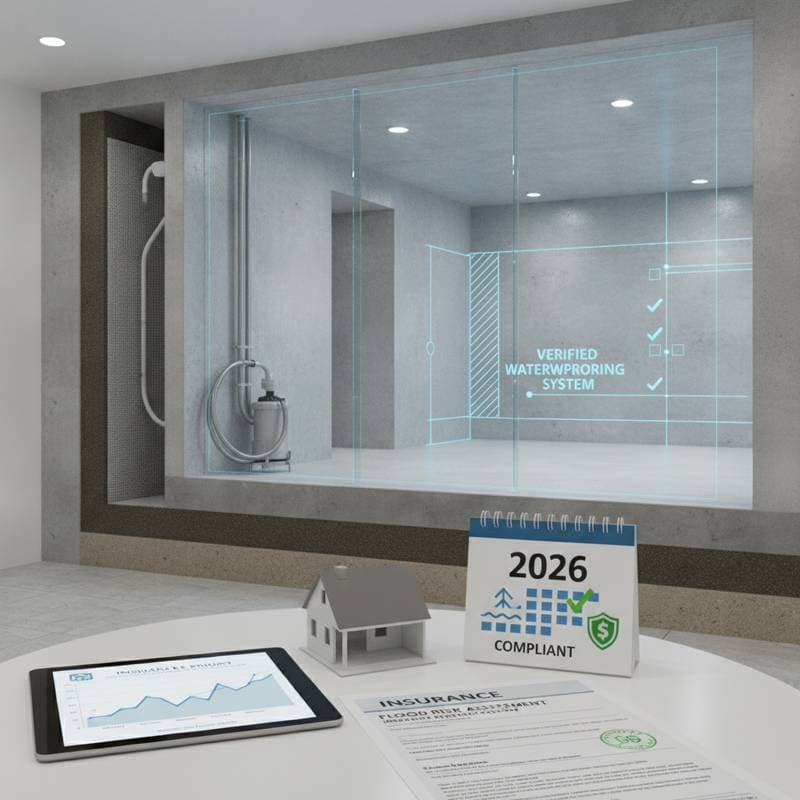
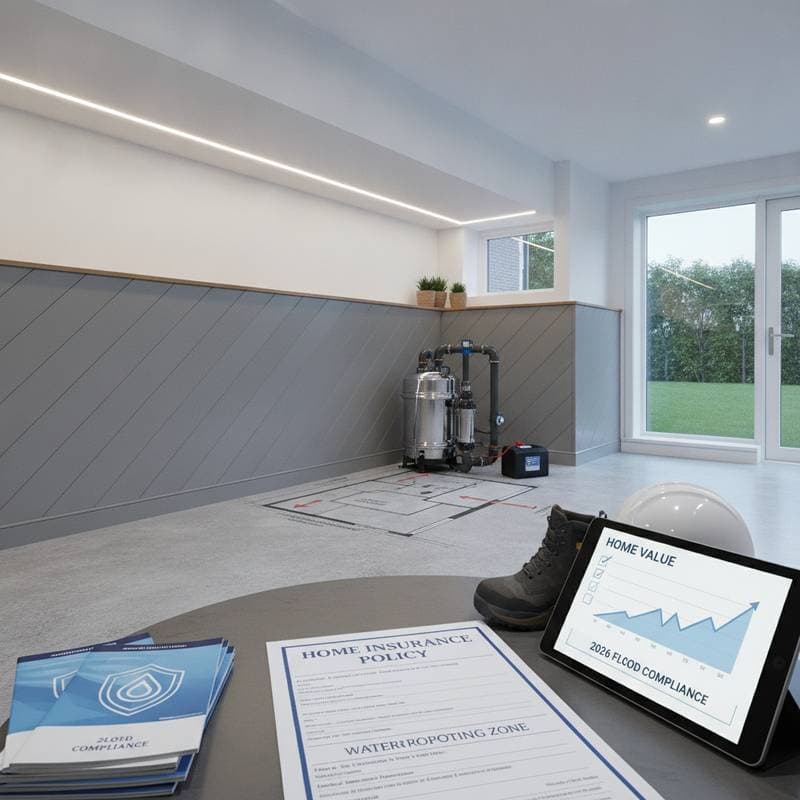
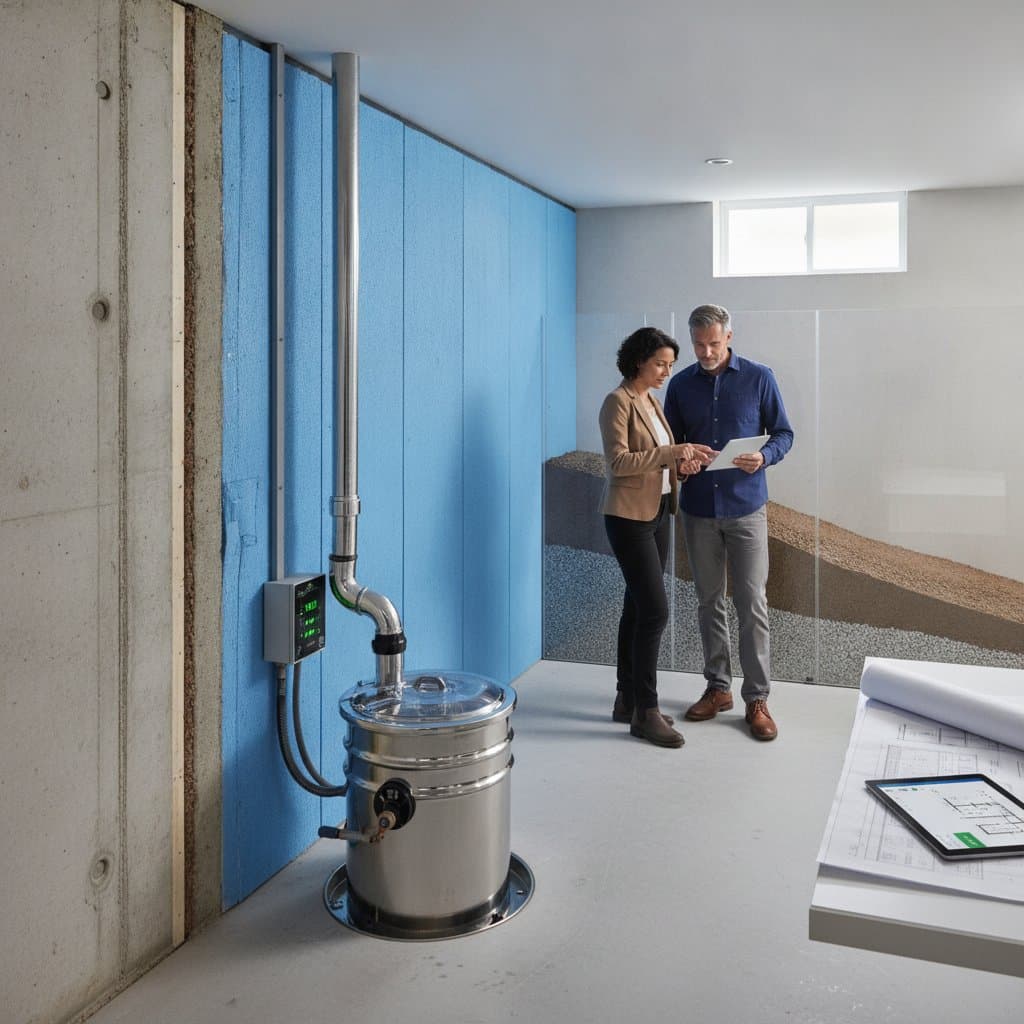
Starting in 2026, homeowners must prove their basements are flood-proof to maintain insurance coverage. New rules aim to reduce costly water damage claims, pushing property owners to invest in waterproofing systems. Learn what qualifies as flood-resistant, expected costs, professional requirements, and how compliance can protect your home and premiums.
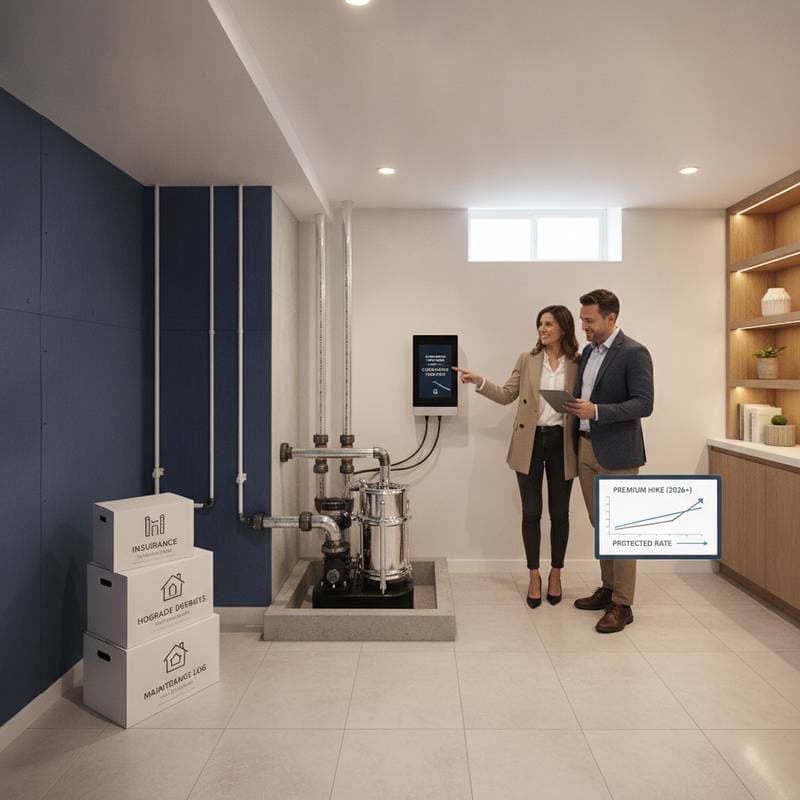
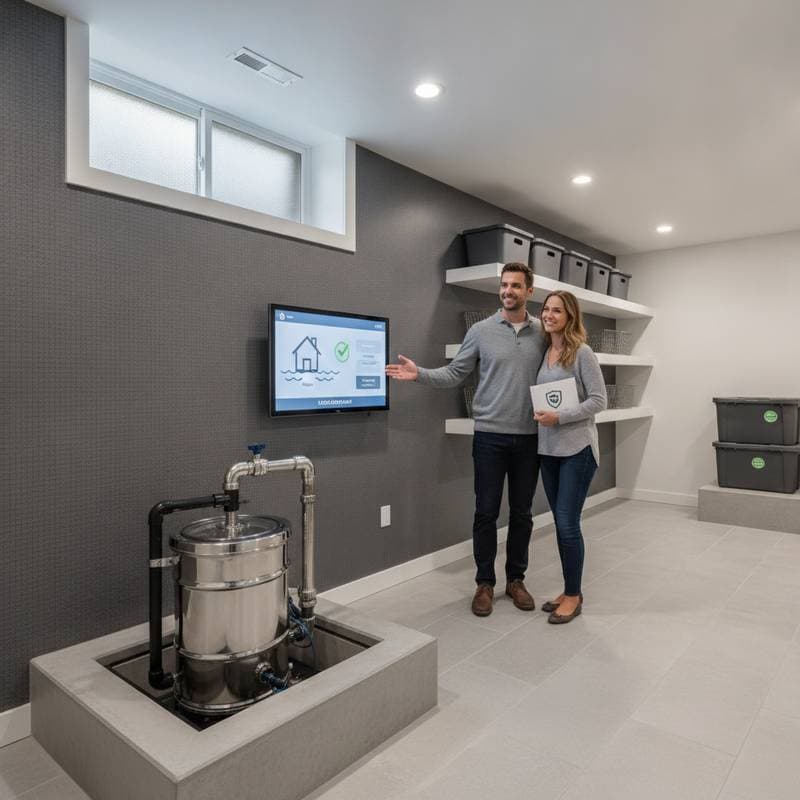
New 2026 insurance rules require documented prevention measures for basement flood coverage. Homeowners who complete inspections, waterproofing, and maintenance gain safer properties and potential premium reductions.
Insurance-approved flood-proof flooring combines durability and style. These materials withstand water exposure, simplify cleanup, and support faster insurance recovery in high-risk areas.
Insurance approved flood proof flooring protects homes from water damage while supporting design goals. Explore compliant materials, certified installation practices, and maintenance routines that preserve coverage and add lasting value.
Learn about 2026 flood-proof flooring innovations that shield homes from water damage and lower insurance costs. Options like luxury vinyl plank, ceramic tile, sealed concrete, and engineered stone provide durability, cost savings, and reliability. Gain insights on installation, return on investment, and strategies approved by insurers for resilient upgrades.
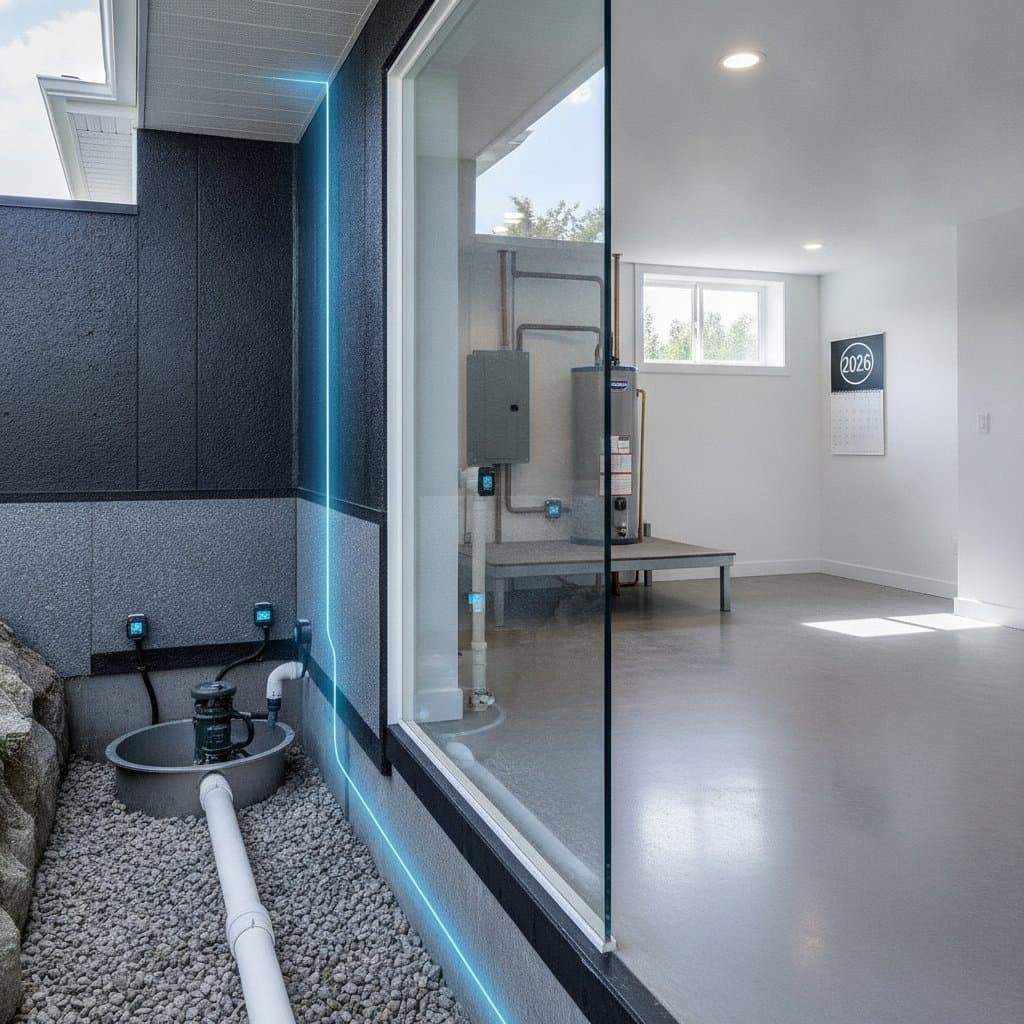
The 2026 flood-proofing regulations introduce stricter standards for basements, emphasizing comprehensive waterproofing through drainage, sump pumps, and monitoring systems. Homeowners benefit from documenting installations, selecting durable materials, and performing routine upkeep. Compliance enhances protection against damage, increases property worth, and ensures reliable insurance support.
Shield your home from water damage and trim insurance costs with durable flood-resistant flooring. This guide covers superior materials, installation methods, maintenance routines, and proactive prevention steps to secure your investment and serenity.
Starting in 2026, mold-resistant materials become mandatory for insurance coverage, driven by stricter moisture management rules. Homeowners need ASTM-compliant options, HVAC coordination, and thorough records to ensure eligibility, boost property value, and avoid expensive mold claims.
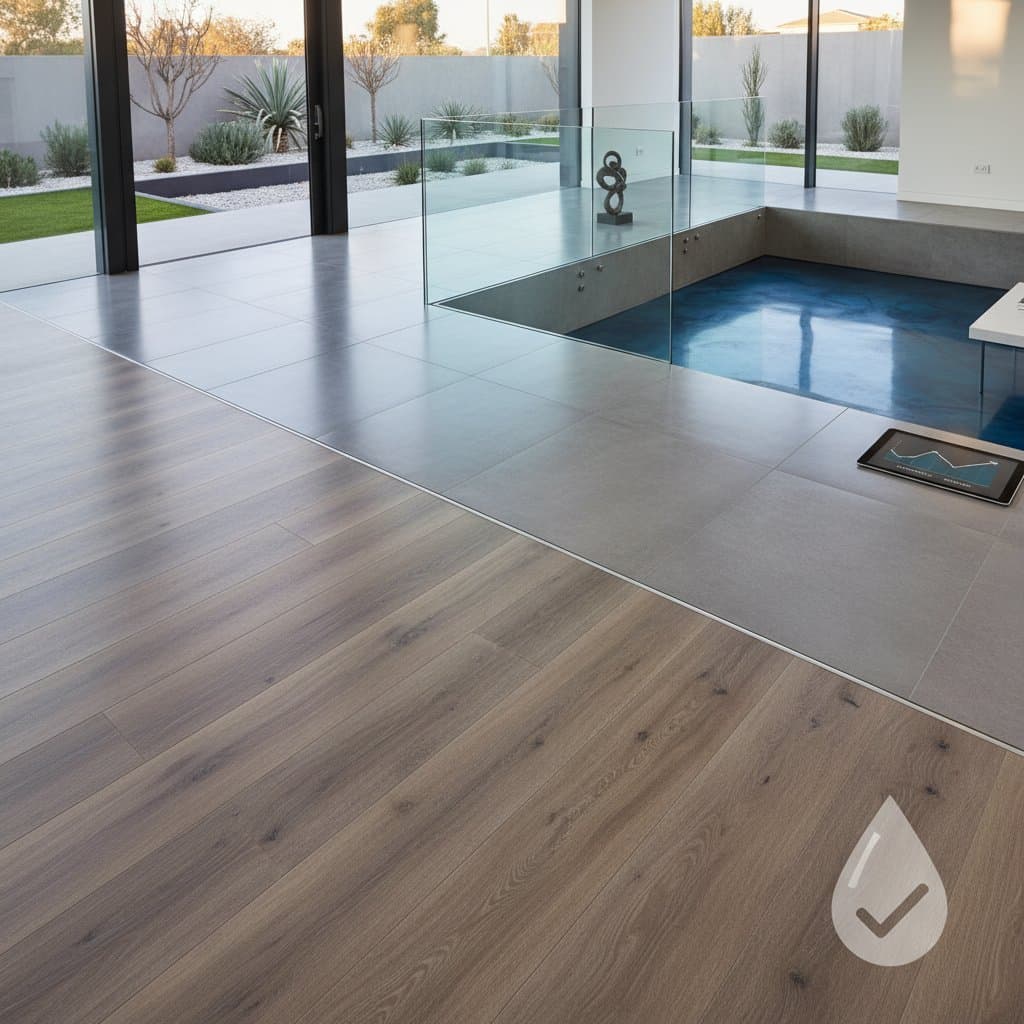
Flood-resistant flooring safeguards homes from water damage while qualifying for insurance discounts starting 2026. Certified options like luxury vinyl, porcelain tile, and polished concrete offer durability, style, and cost savings. Understand qualification criteria, certification processes, and why these floors represent a wise choice for resilient, attractive living areas.
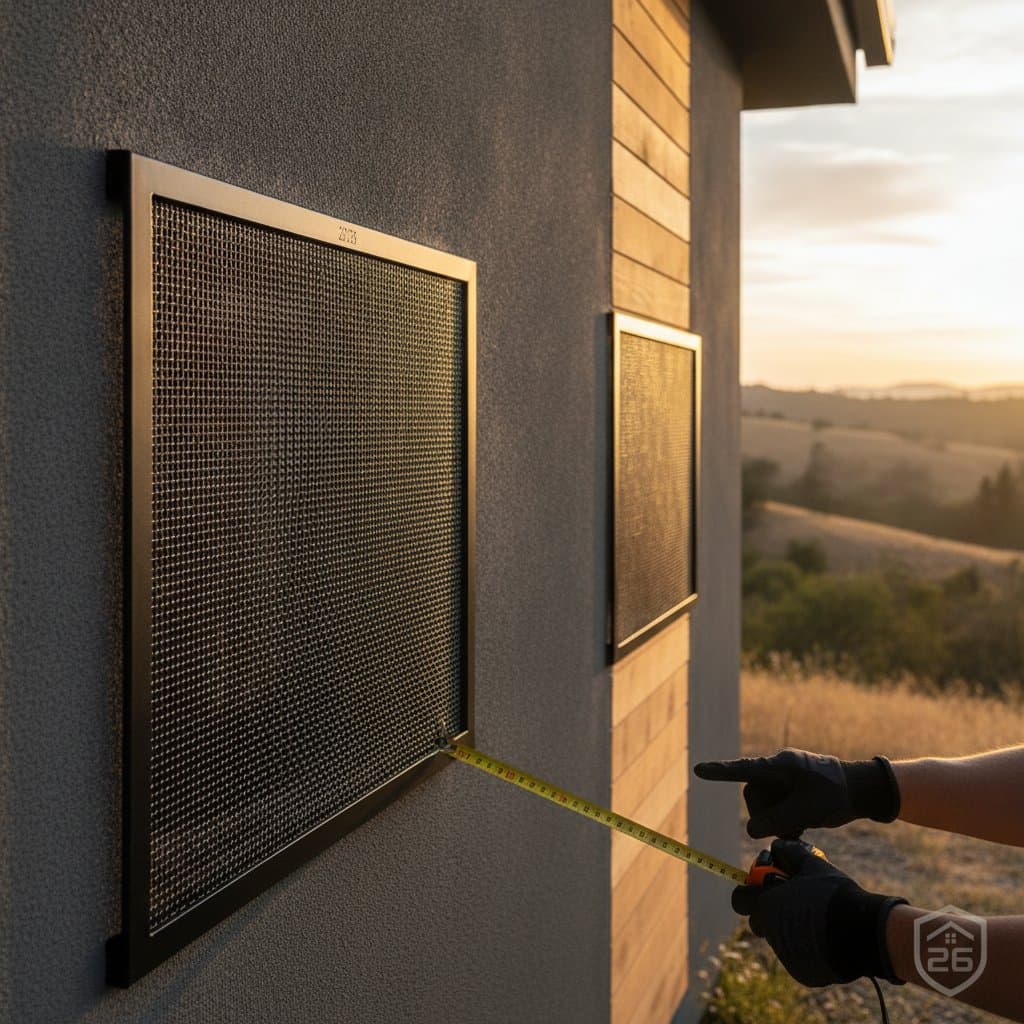
FEMA's upcoming 2026 flood vent standards promise lower insurance rates and stronger foundations for at-risk homes. This guide covers compliance essentials, installation options, cost factors, and strategies for rapid returns on investment while building lasting flood resistance.
Beginning in 2026, proof of basement waterproofing becomes mandatory for maintaining home insurance coverage amid increasing flood threats. This guide details qualifying waterproofing techniques, anticipated expenses, and the role of professional certification in preserving premiums and enhancing property value.
With escalating wildfire threats, insurers mandate ember-resistant vents for policy eligibility. These devices prevent ember ignition, reduce premiums, and enhance home safety. Explore their functionality, expenses, selection process, and installation options for compliance in fire-prone regions.
In flood-vulnerable regions, certified flood-proof flooring qualifies homeowners for insurance savings. These systems block water, mold, and damage while adhering to FEMA and ASTM guidelines. Initial expenses yield lasting advantages, including swift flood recovery and stronger property value.
Upcoming insurance regulations set to complicate mold claims after 2026. Conduct a professional inspection today to record your home's current state, identify concealed moisture sources, and bolster your policy protection. Proactive measures now avert expensive rejections, reinforce claim validity, and preserve your property value alongside family well-being amid evolving definitions of preventable damage.
In 2026, flood-proof flooring transforms home resilience by offering waterproof materials that resist warping, inhibit mold, and minimize insurance claims. Options like luxury vinyl plank and ceramic tile provide style and durability, ensuring quick recovery from water events and long-term savings for homeowners facing variable weather.
Learn how installing flood-resistant flooring protects your home from water damage, reduces insurance premiums, and increases property value. This guide covers options like vinyl planks and epoxy-coated concrete, including costs, benefits, installation advice, and steps to secure insurer discounts through certified upgrades.