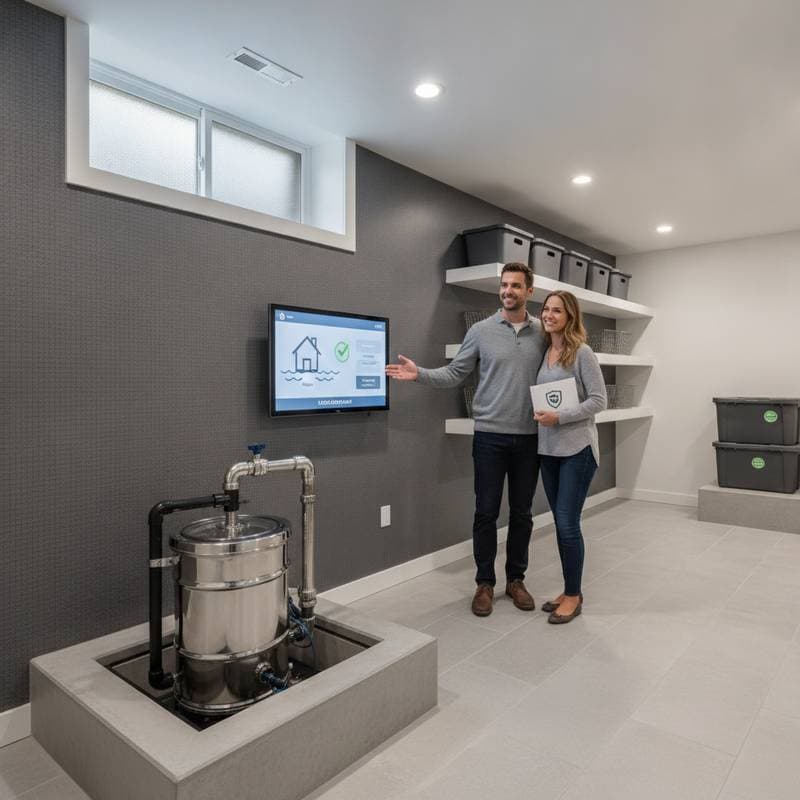
Position the drain to intercept groundwater effectively. Connect to a sump pump if natural outlets are unavailable. This system excels in preventing hydrostatic pressure against walls, a common cause of structural damage.
Step 4: Create Swales and Berms
Swales function as shallow, vegetated channels that capture and slow runoff, promoting infiltration. Pair them with berms, low mounds of earth, to direct water along desired paths. These features suit expansive yards where subtle grading adjustments enhance natural contours.
- Cost: $1,500 to $5,000, including regrading and native plantings
- DIY Feasibility: Low without earth-moving tools; consider professional grading for precision
- Safety Tip: Contact utility services for marking before any excavation to avoid hazards
Plant swales with deep-rooted grasses to stabilize soil and filter pollutants. Berms should rise 1 to 2 feet, shaped to blend with the landscape. Together, they manage broad surface flows, reducing erosion on slopes and protecting lower elevations.
Step 5: Build Rain Gardens
Rain gardens serve as intentional depressions that collect stormwater, allowing it to percolate through engineered soil layers. Stock them with native plants tolerant of periodic saturation, such as ferns and sedges, which absorb excess moisture and support biodiversity. Design the basin 6 to 12 inches deep, with an overflow path to handle extreme events.
- Cost: $2,500 to $7,000, based on dimensions and vegetation choices
- DIY Feasibility: High for compact designs under 200 square feet
- ROI: Anticipate a 5 to 10 percent increase in landscape appeal and functionality
These gardens not only mitigate flooding but also beautify the yard with seasonal blooms. Amend soil with compost to boost permeability. Monitor during the first rains to adjust for optimal absorption.
Step 6: Use Permeable Pavers
Impervious surfaces like concrete driveways amplify runoff by preventing infiltration. Permeable pavers, with gaps filled by sand or gravel, allow water to seep into the subbase. Remove old pavement, install a geotextile base, add aggregate layers, and lay interlocking units for a stable, attractive surface.
- Cost: $10 to $25 per square foot, including materials and base preparation
- DIY Feasibility: Moderate; requires compacting tools for even settling
- Lifespan: 20 to 25 years, with periodic sweeping to clear voids
This solution transforms hardscapes into allies against flooding. It reduces heat island effects and replenishes groundwater. Sealants are unnecessary; natural cleaning maintains porosity over time.
Deciding Between DIY and Professional Help
Certain tasks suit hands-on homeowners, while others demand expertise to avoid pitfalls. Simple extensions and small rain gardens offer rewarding DIY experiences with minimal risk. However, complex installations like French drains or extensive regrading benefit from professional oversight.
- DIY Suitable Projects: Downspout extensions, splash blocks, and modest rain gardens
- Professional Recommendations: Systems involving subsurface pipes, major earthwork, or utility integrations
Contractors charge $90 to $150 hourly, bringing specialized tools and knowledge. One misplaced trench can lead to persistent issues, as discovered in past attempts at self-managed drains. Consult licensed experts for permits and compliance with local codes.
Ongoing Maintenance for Lasting Results
Sustained performance requires routine attention to keep systems functioning optimally. Inspect grates, inlets, and channels biweekly during wet seasons, removing debris that could impede flow. For buried pipes, flush annually using a high-pressure hose to dislodge sediment buildup.
Rain gardens thrive with periodic replanting to replace overgrown specimens. Select resilient natives like switchgrass and black-eyed Susan for enduring coverage and ecological balance. Track seasonal changes to anticipate needs, ensuring the yard remains vibrant and effective.
Address wear promptly; cracked pavers or eroded swales diminish efficacy. Annual reviews confirm alignment with evolving weather patterns. This proactive care extends system life and maximizes return on investment.
Implementing Your Flood-Proofing Plan
Observe the next downpour to pinpoint persistent trouble spots, then solicit proposals from at least two certified drainage specialists. Evaluate their plans for slope adjustments, material quality, and endpoint strategies. Prioritize solutions that harmonize with your yard's aesthetics and budget.
Flood mitigation demands planning and persistence, yet yields substantial rewards. A properly managed landscape shields your home from water damage, sustains usable outdoor areas, and eases concerns during storms. Invest in these strategies to foster a secure, enjoyable property for years ahead.