Understanding the 2026 Basement Flood-Proofing Mandate
Homeowners in flood-prone regions receive notifications about the upcoming 2026 mandate with a sense of urgency. This regulation demands specific waterproofing and drainage upgrades for basements to mitigate flood risks. Delaying action risks insurance coverage loss and exposes properties to escalating damage.
The mandate addresses long-standing vulnerabilities in residential structures. Basements often serve as storage or utility areas, yet they remain susceptible to groundwater intrusion during storms. Compliance transforms these spaces from potential liabilities into valuable assets.
Recognizing Signs of Basement Vulnerability
Many basements exhibit subtle indicators of moisture issues that worsen over time. Walls may display efflorescence, a white, powdery residue signaling water migration through concrete. Floors feel perpetually cool or slick, even in dry weather, due to rising dampness.
Stored items suffer gradual deterioration. Cardboard boxes soften and mold, while metal tools corrode from humidity exposure. These problems escalate during heavy rains, leading to warped flooring or compromised electrical systems.
Ignoring these signs invites costly repairs. The mandate provides a structured approach to eliminate such risks systematically. Homeowners benefit from proactive measures that prevent minor issues from becoming major crises.
Core Requirements of the Mandate
Local authorities outline requirements tailored to regional flood patterns, yet common elements appear across guidelines. These focus on comprehensive water management to keep basements dry year-round. Understanding each component aids in planning effective upgrades.
Perimeter Drainage Systems
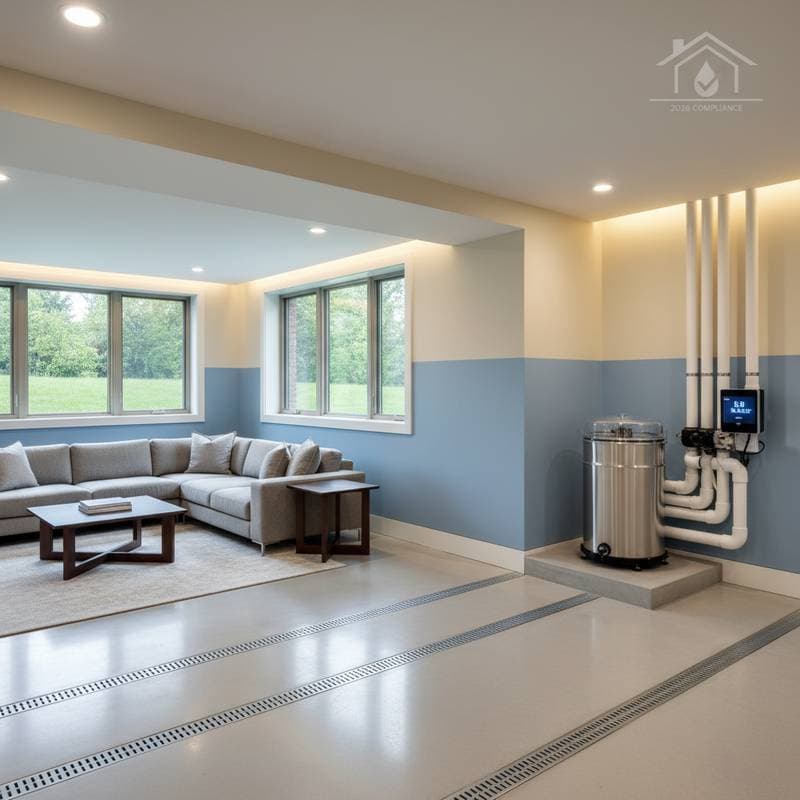
Install a French drain or interior perimeter channel around the basement footing. This system collects groundwater and directs it to a sump pit for removal. For existing homes, retrofitting involves excavating along interior walls and installing perforated pipes wrapped in gravel filters.
Sump Pump with Backup Mechanisms
Primary sump pumps must handle at least 2,000 gallons per hour, with automatic float switches for activation. Backup options include battery-powered units that operate for 24 to 48 hours during outages or water-fed pumps that use municipal supply lines. Test these systems quarterly to confirm reliability.
Foundation Sealing and Crack Repairs
Identify cracks using dye tests or moisture meters, then apply hydraulic cement for immediate patching. Follow with epoxy resin injections for structural reinforcement, penetrating up to four inches deep. Surface treatments involve brush-on sealants rated for below-grade use, applied in two coats for full coverage.
Exterior Waterproofing Membranes
Excavate around the foundation to expose walls, then apply dimpled plastic sheets or bentonite clay panels. These materials create a drainage plane that channels water away while protecting against hydrostatic pressure. Regrade soil post-installation to maintain a positive slope from the house.
Site Grading and Gutter Management
Ensure the ground slopes at least six inches over the first ten feet away from the foundation. Extend downspouts with underground leaders or splash blocks to discharge water at least five feet from the home. Regularly clear gutters to prevent overflow, scheduling cleanings before rainy seasons.
Costs range from $5,000 for basic enhancements to $20,000 for complete overhauls, depending on home size and soil conditions. Insurance providers often offer premium discounts of 10 to 25 percent for verified compliance, offsetting initial expenses.
Maintenance Practices for Long-Term Protection
Post-upgrade maintenance sustains the system's effectiveness with minimal effort. Inspect sump pumps for debris buildup and verify battery charge levels monthly. Clear floor drains and test alarms to detect any operational failures early.
Seasonal exterior checks prevent gradual degradation. Reapply mulch to maintain grading integrity and trim vegetation that could disrupt drainage paths. Document all inspections and repairs to support insurance claims if needed.
These routines integrate easily into household tasks. They ensure the basement remains a reliable space, free from the disruptions of water intrusion.
Benefits of a Compliant, Flood-Proof Basement
A fortified basement enhances daily life beyond mere compliance. Families reclaim the area for productive uses, such as home gyms or guest suites, without anxiety over weather events. Energy efficiency improves as sealed walls reduce heat loss and humidity control lowers utility bills.
Property values appreciate noticeably. Appraisals reflect the added resilience, appealing to buyers in flood-aware markets. Insurance stability provides financial security, avoiding rate hikes from unreported risks.
Steps to Achieve Compliance
Schedule a professional assessment to evaluate your basement's current state. Certified inspectors use tools like infrared cameras to pinpoint hidden leaks and provide a compliance roadmap. Select contractors experienced in flood mitigation, reviewing portfolios of similar projects.
Budget-conscious homeowners can prioritize high-impact fixes first. Begin with gutter extensions and crack sealing, which cost under $1,000 and yield immediate improvements. Gradually incorporate advanced features, leveraging local rebates for energy-efficient components.
Consult municipal resources for deadline extensions or incentives. Full compliance by 2026 secures your home's future. Invest now to enjoy a drier, safer living environment for years ahead.