Stop Water Damage Before It Costs You Thousands
Hidden leaks can destroy a home long before they become visible. Moisture sensors provide early detection by identifying trouble spots and sending instant alerts, or even shutting off the water supply automatically. These devices offer an affordable and straightforward way to install protection that saves thousands in potential repairs and delivers peace of mind to every homeowner.
Understanding Moisture Sensors
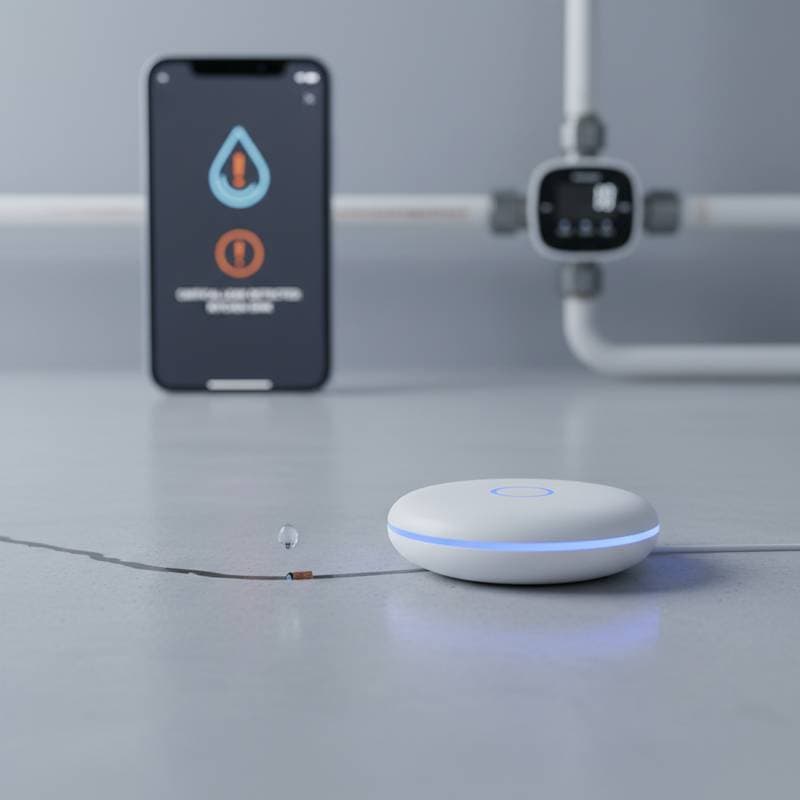
Moisture sensors function as vigilant guardians within the home, monitoring for excess humidity or water presence in areas prone to leaks. Placed near plumbing fixtures, appliances, or in basements, they use advanced technology to detect even small amounts of moisture that signal a developing problem. Once triggered, these sensors notify homeowners through smartphone apps, emails, or integrated alarms, allowing quick intervention before damage spreads.
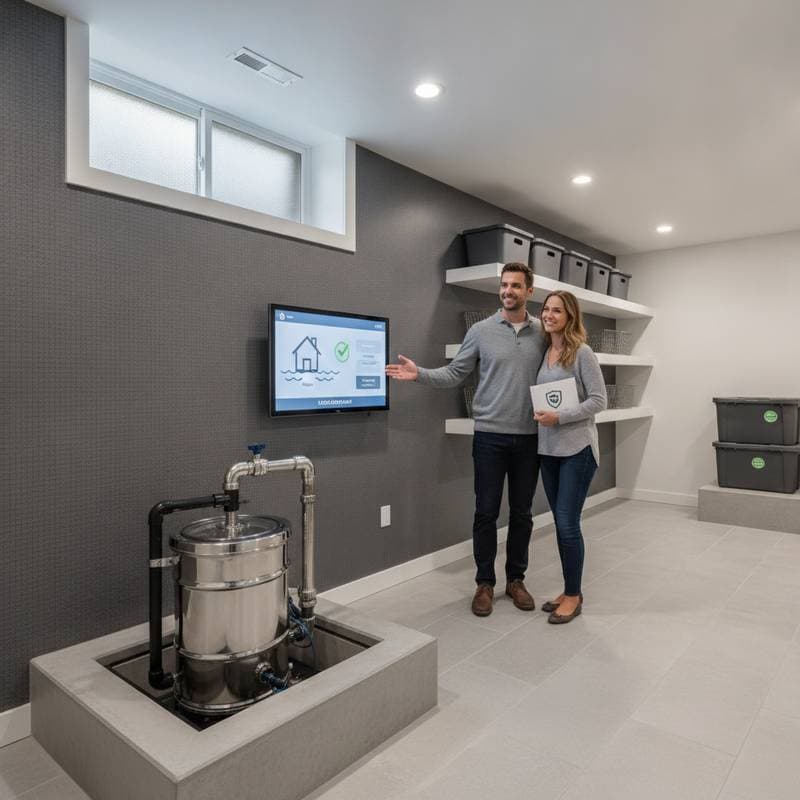
Many models include automatic shut-off valves that connect directly to the main water line. This feature stops the flow of water at the first sign of a leak, preventing floods from appliances like washing machines or water heaters. Homeowners appreciate how these sensors integrate seamlessly into daily life without requiring constant oversight.
The Hidden Costs of Water Damage
Water damage ranks among the most expensive home issues, often exceeding several thousand dollars in repairs. A slow drip from a pipe behind a wall can weaken structures, promote mold growth, and compromise indoor air quality over time. Insurance claims for such incidents frequently involve not only fixing the leak but also replacing flooring, drywall, and personal belongings affected by the moisture.
Statistics show that undetected leaks account for a significant portion of residential water loss. Early detection with moisture sensors reduces these risks dramatically. By addressing issues promptly, homeowners avoid escalation and maintain the long-term value of their property.
Benefits of Installing Moisture Sensors
The primary advantage lies in prevention. Sensors catch leaks in their infancy, often before any visible signs appear, which minimizes repair costs and disruption. For instance, a sensor near a dishwasher can alert to a faulty hose connection, averting a kitchen flood that might otherwise require professional remediation.
These devices also enhance overall home safety. Automatic shut-off capabilities protect against catastrophic failures, such as a burst pipe during a vacation. Integration with smart home systems allows for centralized control, where sensors work alongside lights or locks to create a comprehensive security network.
Affordability makes them accessible. Basic units cost under fifty dollars each, with more advanced systems remaining under a few hundred. The return on investment becomes evident quickly, as even one prevented incident offsets the initial expense multiple times.
Step-by-Step Installation Guide
Installation proves simple for most homeowners, requiring no specialized tools beyond a screwdriver and perhaps a drill. Begin by identifying high-risk areas: under sinks, behind refrigerators, near water heaters, and in laundry rooms. Select sensors rated for the environment, such as waterproof models for damp basements.
For battery-powered units, attach them using adhesive strips or screws to clean, dry surfaces. Position the sensing element close to potential leak sources without obstructing access. Test the device immediately after placement by simulating moisture with a wet cloth to confirm alerts function properly.
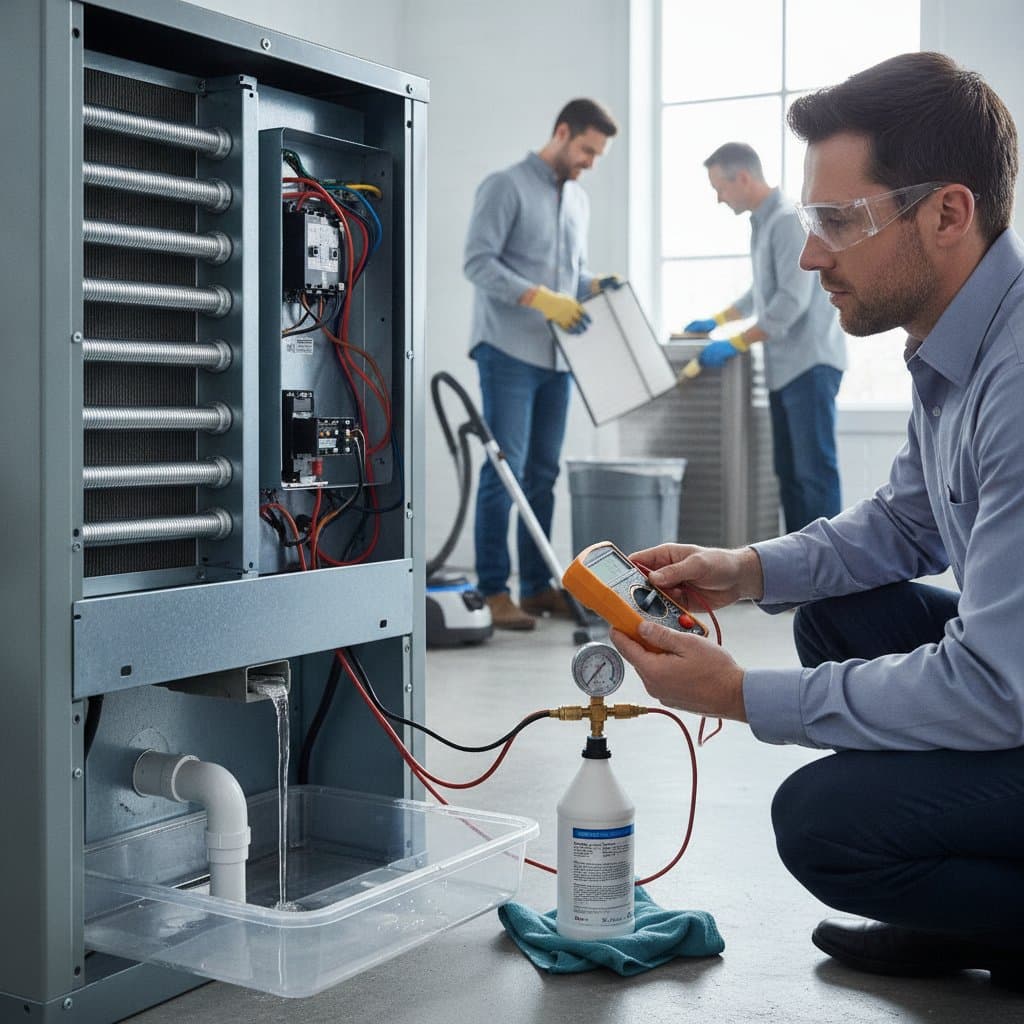
When connecting to an automatic shut-off valve, professional assistance ensures compliance with local codes. Shut off the main water supply before any plumbing work. A licensed plumber installs the valve inline with the water line, typically near the meter or main shut-off, and links it to the sensor for seamless operation.
Follow manufacturer instructions precisely, as models vary. Most setups take less than an hour per sensor. Once complete, monitor the app for initial readings to verify everything operates as expected.
Ongoing Maintenance for Reliability
Regular upkeep ensures sensors perform optimally over time. Schedule checks every three to six months to maintain effectiveness.
- Clean contact points: Dust or corrosion can reduce sensitivity. Wipe surfaces gently with a dry cloth to remove buildup.
- Test functionality: Activate the sensor periodically to confirm alerts and shut-off mechanisms respond correctly.
- Replace batteries: Use fresh ones as indicated by low-power warnings to avoid false negatives.
- Inspect wiring: For hardwired models, check connections for looseness or damage.
- Replace outdated models: Technology improves, and older sensors may lose accuracy. Upgrade every five years or when new features become available.
If the system connects to plumbing, always shut off the water supply before maintenance. A licensed plumber should handle any automatic valve installations to prevent accidents.
When to Upgrade or Expand Your System
Life changes in the home often necessitate adjustments to sensor coverage. After adding new appliances or finishing a basement, revisit the layout to include fresh vulnerable spots. For example, install additional units following the addition of a dishwasher or a basement bar sink to maintain comprehensive protection.
Over time, needs evolve as the home changes. Smart systems now integrate with voice assistants and home automation hubs. Link sensors with thermostats or cameras for complete control over water and humidity levels, creating a unified smart environment.
Consider upgrades if current sensors lack app connectivity or remote monitoring. Newer models offer enhanced sensitivity and longer battery life, providing better value for expanding setups.
Getting Started with Your Sensor System
Approach implementation gradually if uncertainty exists. Purchase one or two sensors for the most susceptible areas, such as the kitchen or bathroom, then expand based on performance observations. If smart home devices already operate in the household, select compatible sensors to streamline management and avoid fragmented controls.
Maintain detailed records for each unit, noting battery type and installation date. This practice supports a consistent maintenance routine and tracks system evolution.
The Value of Proactive Protection
Moisture sensors represent a practical safeguard rather than a luxury. They protect the home's structure and air quality while saving thousands in potential repairs. Early detection proves essential in preserving what matters most.
During routine plumbing checks or filter replacements, consider incorporating these devices. Gain the assurance of knowing what occurs behind walls, an upgrade that delivers lasting returns.