DIY Ember Guards vs. Professional Installation: Understanding True Costs
Deciding between DIY and professional installation of ember guards influences wildfire protection and ongoing expenses. Residents in fire-vulnerable areas must weigh immediate savings against potential risks. DIY approaches appear economical, yet errors in technique can impair ventilation and durability. A grasp of ember guard mechanics, material selections, and installation impacts reveals the full picture of performance and value.
How Ember Guards Work: A Technical Primer
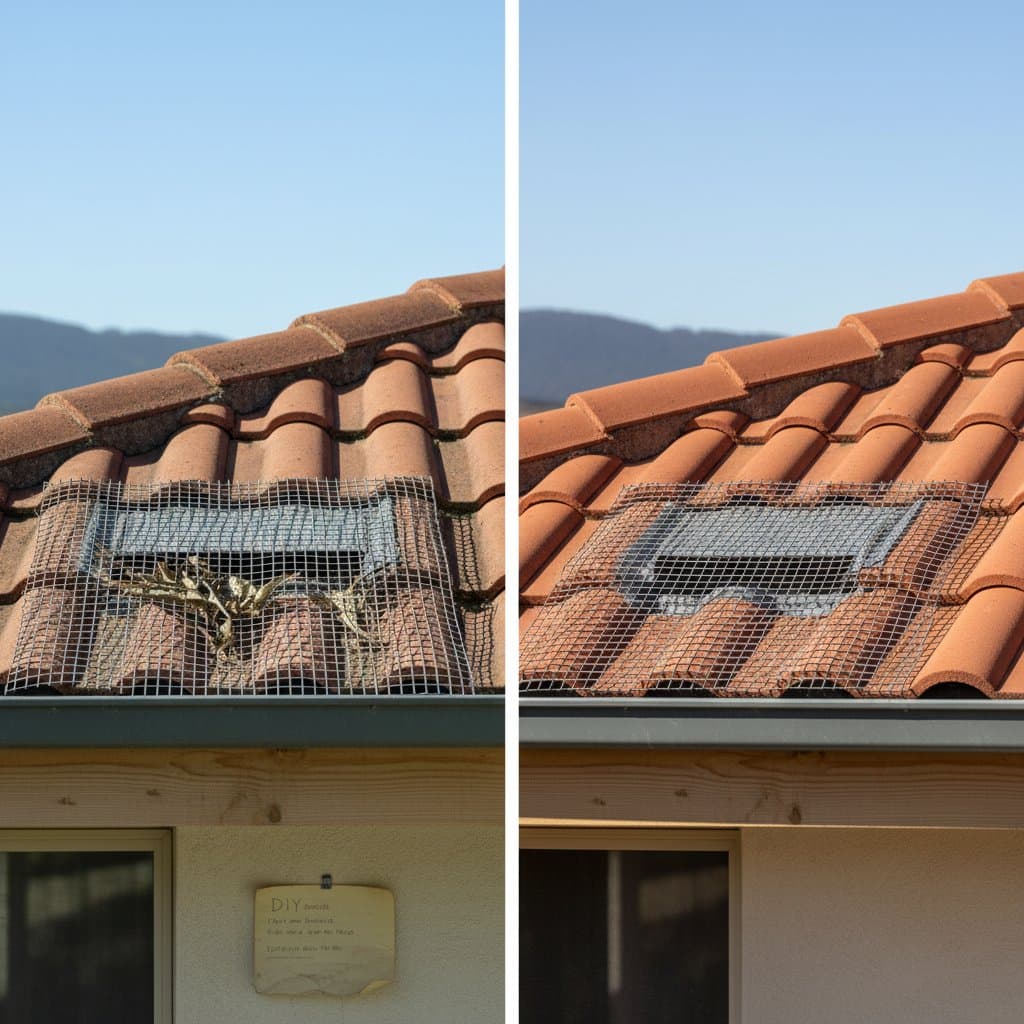
Ember guards consist of fine metal screens or meshes placed over vents to block wind-carried embers from infiltrating attics, crawl spaces, or wall voids. These embers pose a threat by igniting insulation, wooden framing, or stored items, potentially causing total structural failure without direct flame contact. The design permits essential airflow while serving as a robust barrier to firebrands.
Key System Specifications
- Technology Type: Screening system for ember resistance
- Efficiency: Mesh openings of 1.6 mm or less for maximum protection
- Suitable Climates: Wildfire zones in DOE climate regions 2 to 5
- Coverage: Handles vent areas from 25 to 400 square inches
- Durability: 15 to 25 years using corrosion-resistant metals
- Setup Difficulty: Moderate, requiring precise measurements and tools
Factors Influencing Performance by Region
Coastal or humid environments accelerate corrosion, making stainless steel meshes preferable despite higher upfront prices for their extended service life. Dry inland areas suit aluminum or bronze options, which prove lighter and sufficient. Structures in windy locales demand secure fastening and edge sealing to withstand ember storms. Balanced ventilation remains crucial; overly dense meshes restrict airflow, elevating attic heat and promoting moisture accumulation.
Material Options and Their Trade-Offs
Different materials balance ember resistance, corrosion protection, and cost. Tighter meshes enhance fire defense but may limit air circulation. Experts recommend dual-layer setups with staggered openings to optimize both aspects, whereas DIY efforts often rely on single layers that satisfy minimum codes yet falter in intense conditions.
| Material | Mesh Size | Corrosion Resistance | Cost per Square Foot | Maintenance Interval |
|---|---|---|---|---|
| Stainless Steel | 1.6 mm | Excellent | $3.50–$5.00 | Every 3 years |
| Aluminum | 1.6 mm | Moderate | $2.00–$3.50 | Every 2 years |
| Bronze | 1.3 mm | High | $5.00–$6.50 | Every 4 years |
| Galvanized Steel | 1.6 mm | Low | $1.50–$2.00 | Annual |
Adapting to Your Home's Ventilation Setup
Evaluate vent styles and positions prior to any work. Gable vents, soffit vents, and ridge vents each call for unique fitting techniques. Soffit guards, for example, install from beneath eaves, often necessitating stable ladders or platforms. Ridge applications involve lifting roof caps, then resealing to avoid water entry.
Professionals review the full ventilation network to preserve airflow equilibrium. They confirm adherence to local codes, including mesh specifications and fire ratings, like those in California's Wildland-Urban Interface standards.
Cost Breakdown: DIY Versus Professional Approaches
Initial expenses differ, but long-term factors like upkeep and longevity determine overall value. DIY saves money at first but invites frequent repairs due to sealing flaws. Professionals invest in durable components and guarantees, often justifying the premium through reduced future outlays.
| Method | Initial Cost | Annual Maintenance | Lifespan | 20-Year Total |
|---|---|---|---|---|
| DIY Aluminum | $200–$400 | $40 | 15 years | $1,000–$1,200 |
| DIY Stainless Steel | $400–$600 | $25 | 20 years | $900–$1,100 |
| Pro Aluminum | $700–$1,000 | $30 | 20 years | $1,300–$1,600 |
| Pro Stainless Steel | $900–$1,400 | $20 | 25 years | $1,400–$1,700 |
Key Installation Steps and Common DIY Errors
Precision cutting ensures mesh aligns perfectly with vent sizes; gaps exceeding 1.6 mm invite ember passage. Opt for rust-proof screws over staples, which degrade quickly. Apply fire-rated, flexible sealants to handle thermal expansion. Underestimate effort at your peril—a single-story home demands a full weekend, while taller structures require safety gear beyond typical homeowner reach.
Professionals employ crimping tools and border frames for seamless bonds to siding or trim. Post-installation, they measure airflow to verify compatibility with attic fans and insulation.
- Measure all vents accurately.
- Select region-appropriate materials.
- Cut and fit mesh without overlaps or voids.
- Secure with approved fasteners.
- Seal edges thoroughly.
- Test ventilation post-setup.
Frequent pitfalls include inadequate sealing, wrong mesh density, and ignoring access challenges, all eroding safety.
Assessing Durability Over Time
Ember guards demand ongoing care, as debris like dust or insects clogs openings, hampering airflow and stressing roofs or HVAC systems. Routine cleaning preserves safety and efficiency. DIY versions seldom feature easy-access designs, complicating upkeep. Professional installations incorporate removable or framed elements for straightforward maintenance.
Stainless steel endures harsh conditions longest, while aluminum risks warping from heat. Lifecycle analysis favors robust, easy-to-maintain systems over budget choices.
Scenarios Favoring Professional Installation
Opt for experts when dealing with complex roofs, multi-level access, or integrated HVAC systems. If code compliance proves unclear or your home shows ventilation issues, professional assessment prevents costly rework. Their warranties and testing provide peace of mind in high-risk zones.
Steps to Secure Your Home Effectively
Start with a vent inspection and material selection suited to local weather. Cross-check against building regulations. For optimal results, engage a certified installer to audit and enhance your setup. This investment safeguards your property for years amid rising wildfire threats.