Mold

#Mold - Page 2

Continue exploring articles tagged with Mold

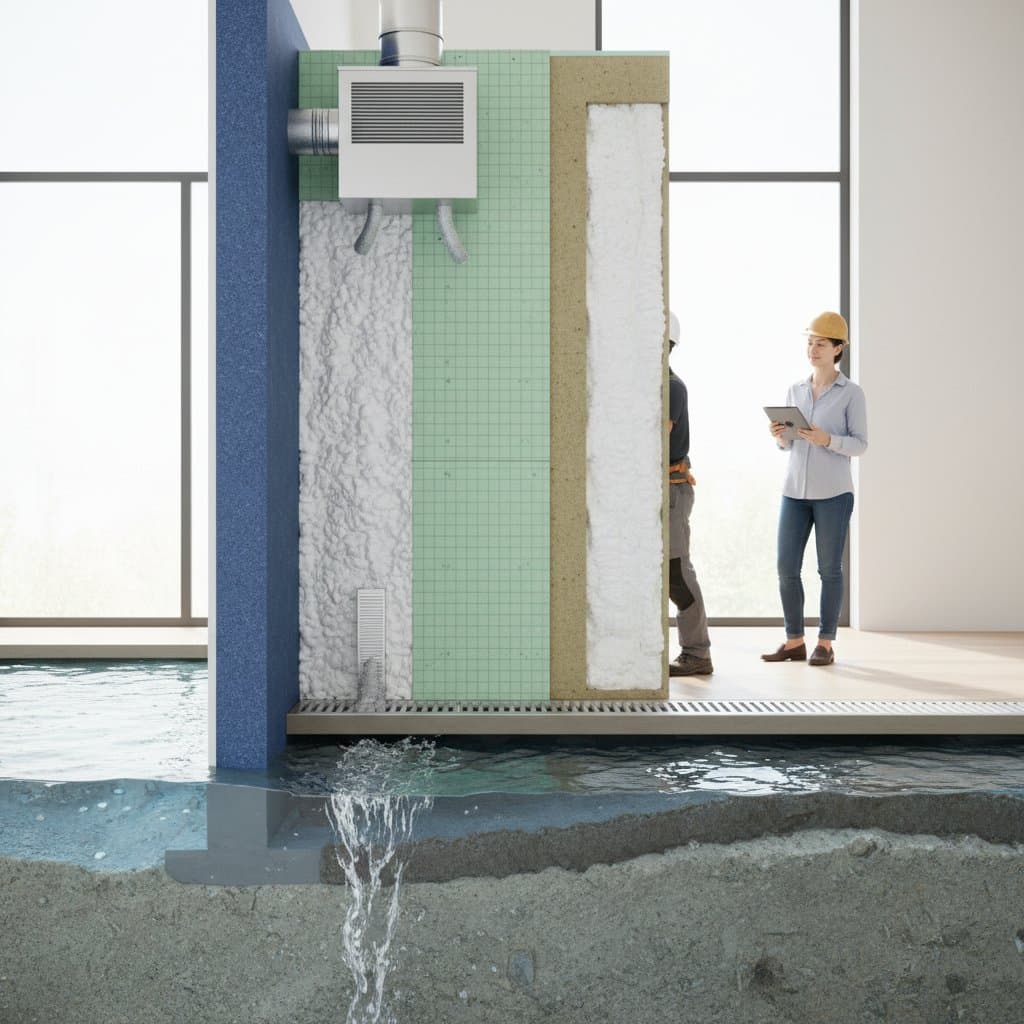
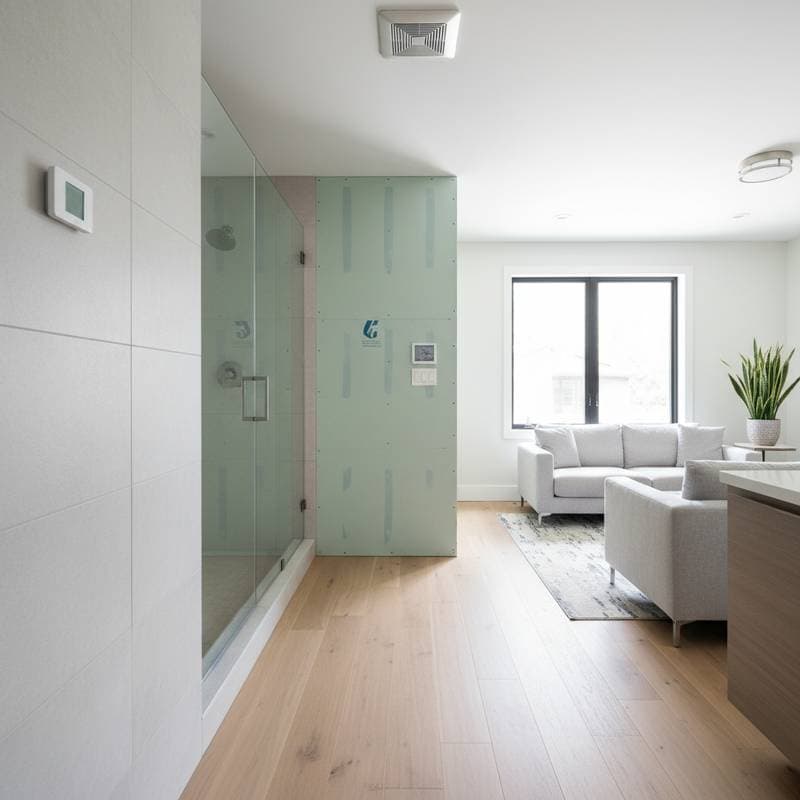
New 2026 Codes Stop Mold Before It Starts in Floods

2026 building codes enhance flood resistance through innovative moisture management, mold-inhibiting materials, and optimized drainage. These measures deliver robust defenses against post-flood mold, elevated air quality protocols, and homeowner maintenance protocols. Understand how such reforms preserve home integrity, promote wellness, and enhance longevity for sustained tranquility.

4 min read
By Nicole Barker
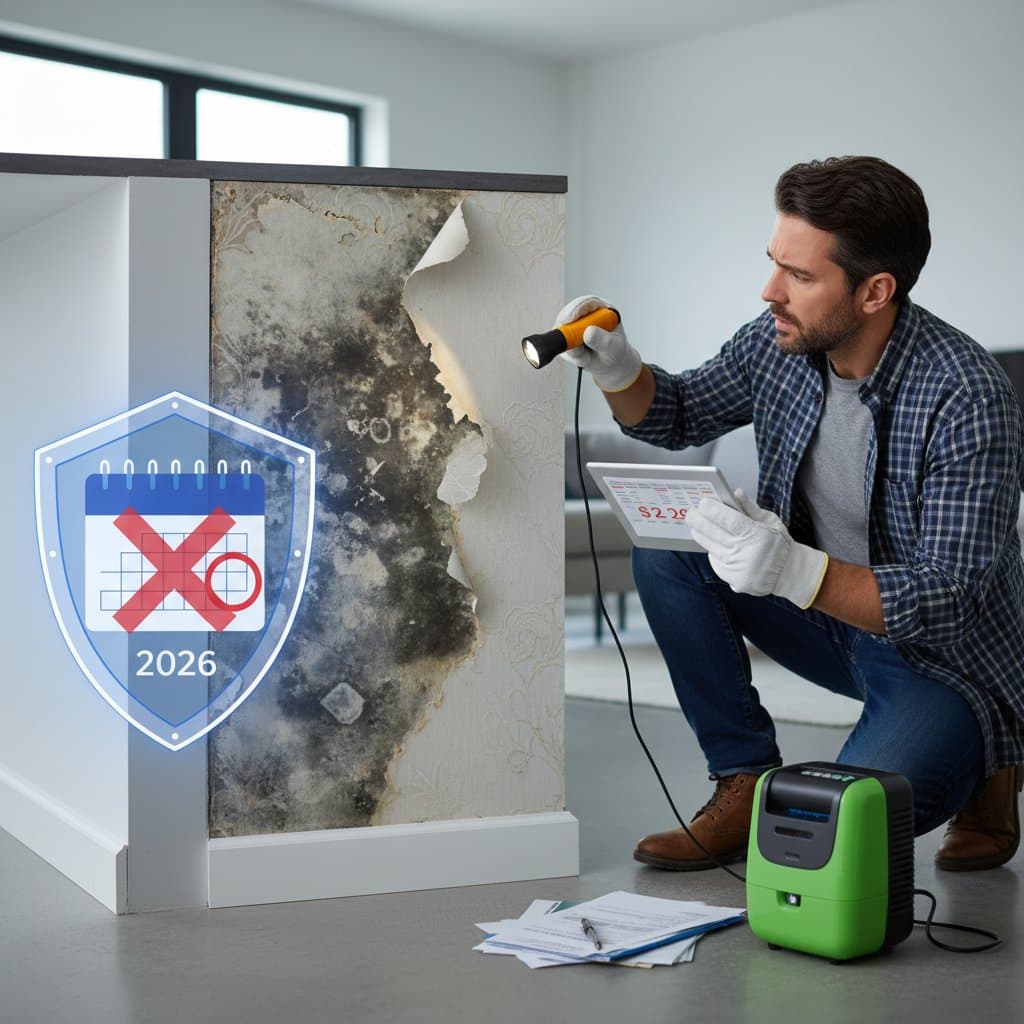
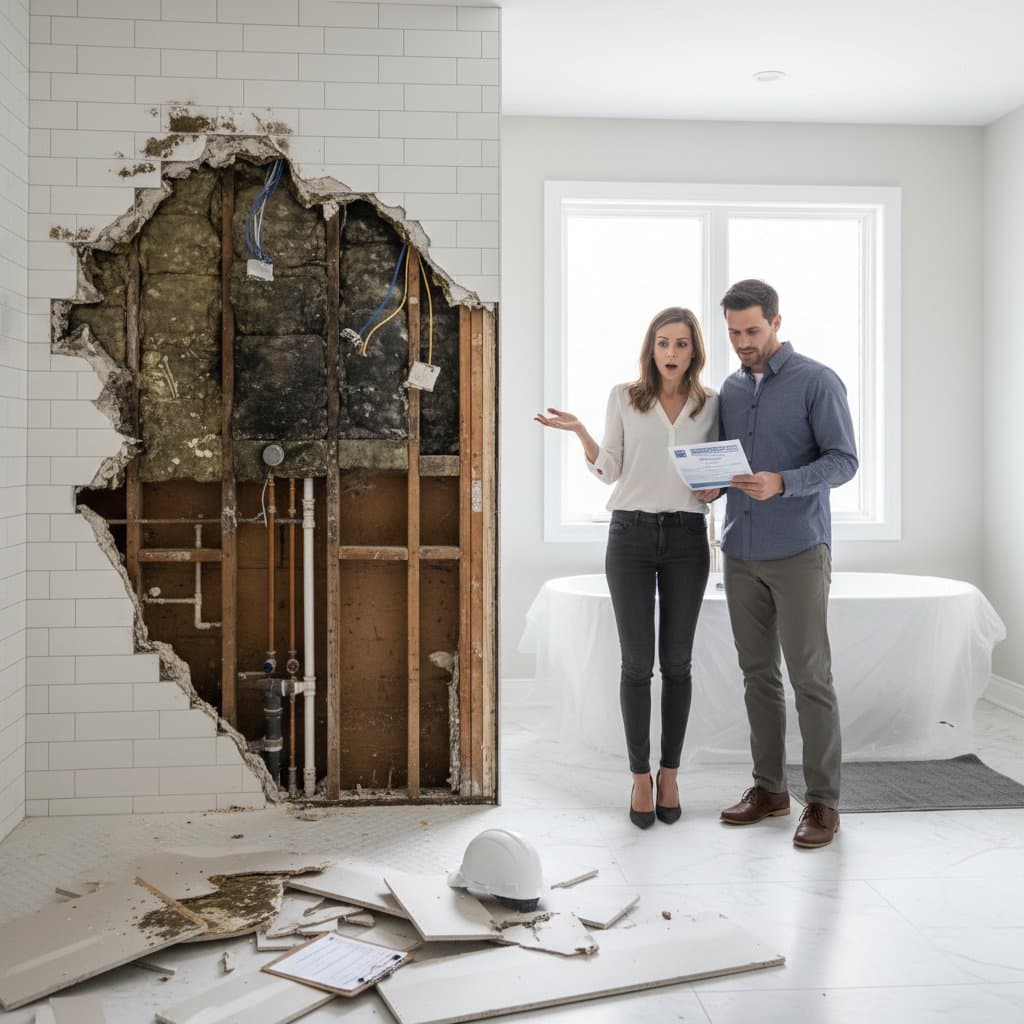
Mold Clauses Leave Bathroom Renovations Uninsured

Mold clauses in insurance policies and contracts pose a silent threat to 2025 bathroom renovations, potentially leaving homeowners with steep remediation bills. These exclusions often surface during demolition, halting projects and inflating costs. By decoding policy terms, conducting pre-remodel inspections, and selecting preventive materials, you can shield your budget from unexpected mold discoveries.

6 min read
By Kelly Alyse

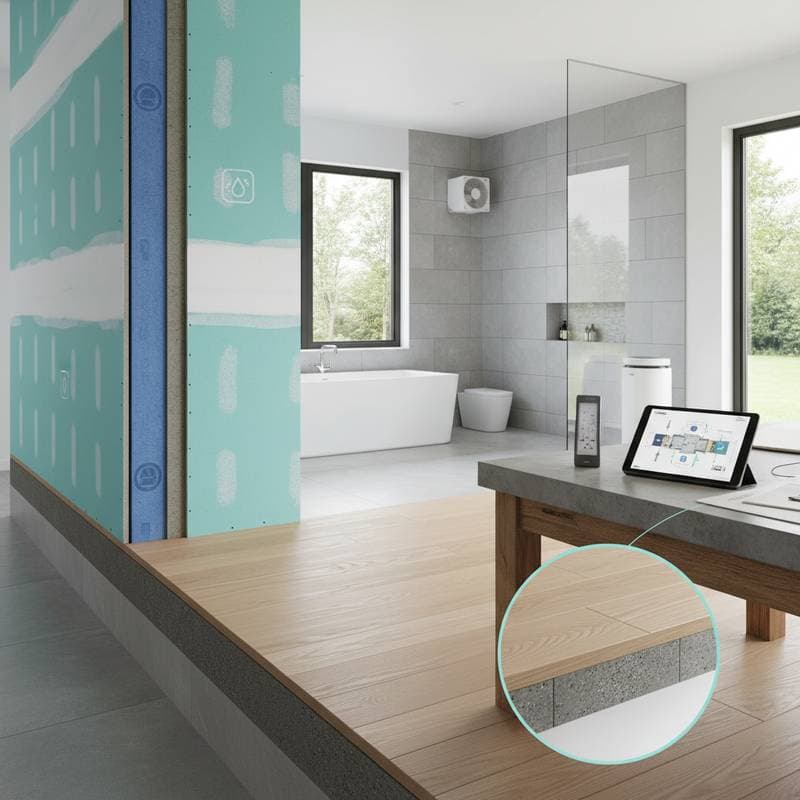
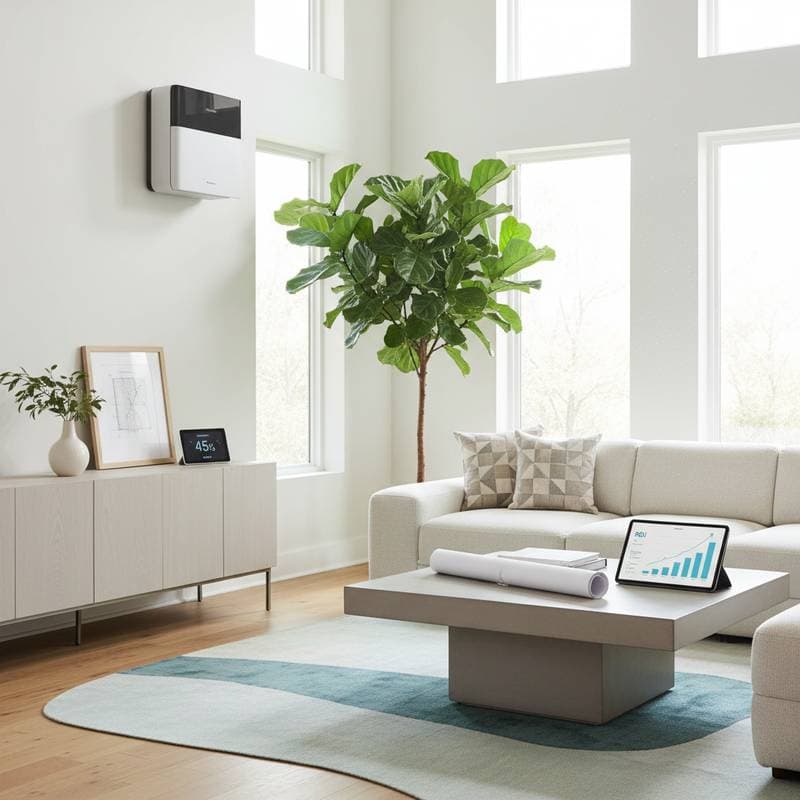
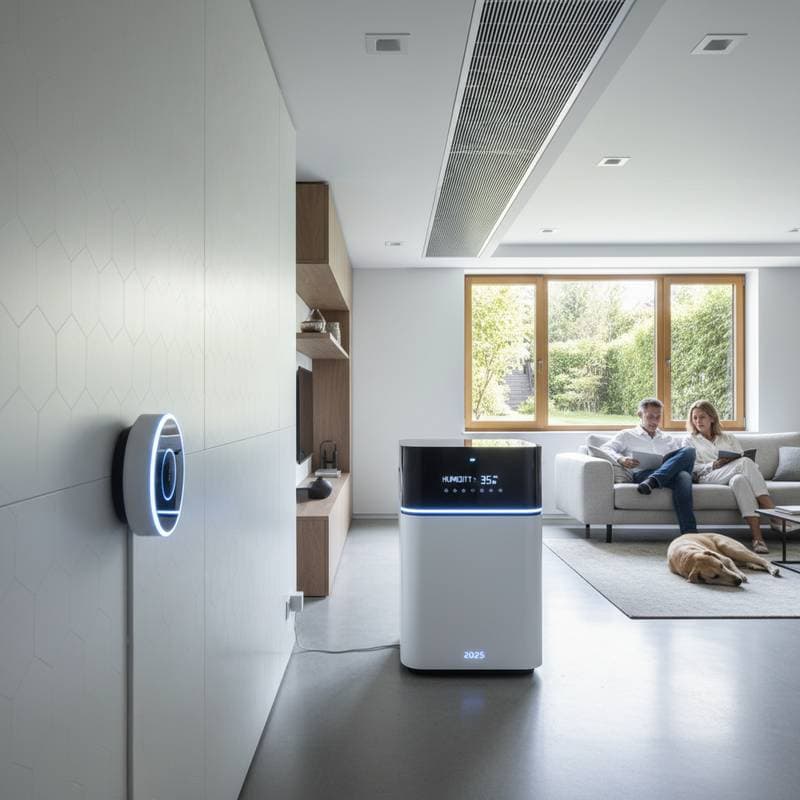
Smart Sensors Detect Mold Before Walls Show Damage

In 2025, smart sensors revolutionize mold prevention by analyzing real-time data on humidity, temperature, and VOCs to identify risks before visible signs emerge. Seamlessly integrated with HVAC and smart home systems, they provide predictive alerts, minimize expensive repairs, and promote superior indoor air quality via vigilant, AI-enhanced surveillance.

4 min read
By Charlie McCann

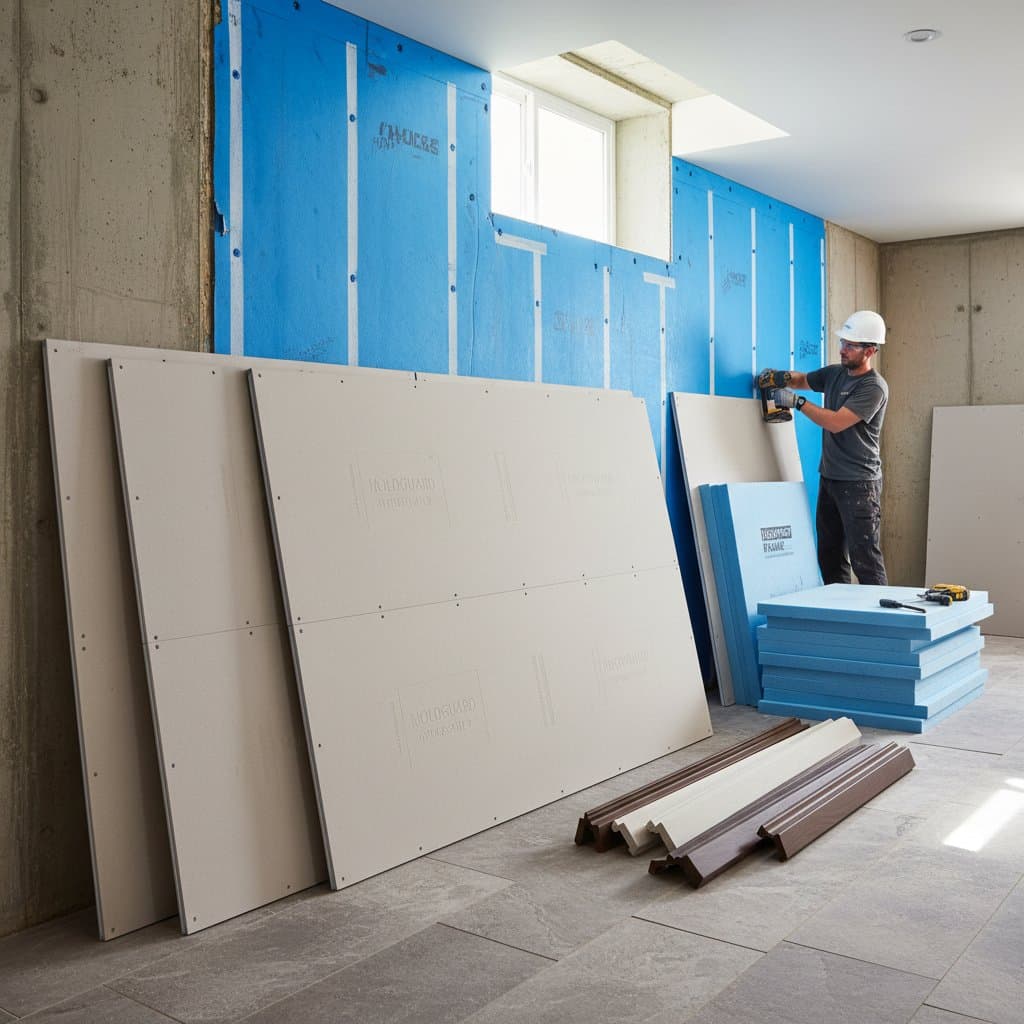
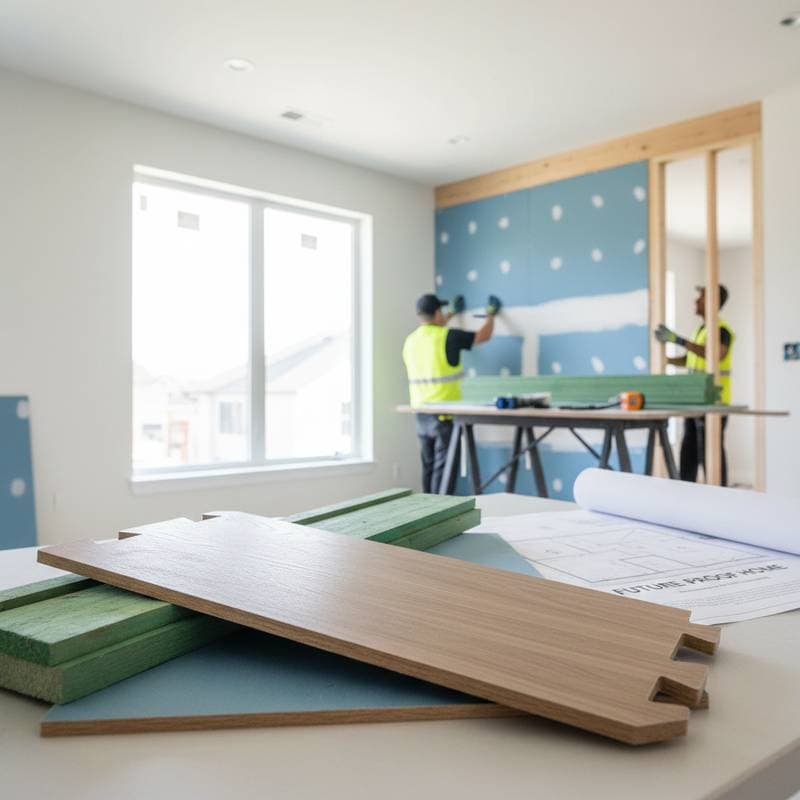
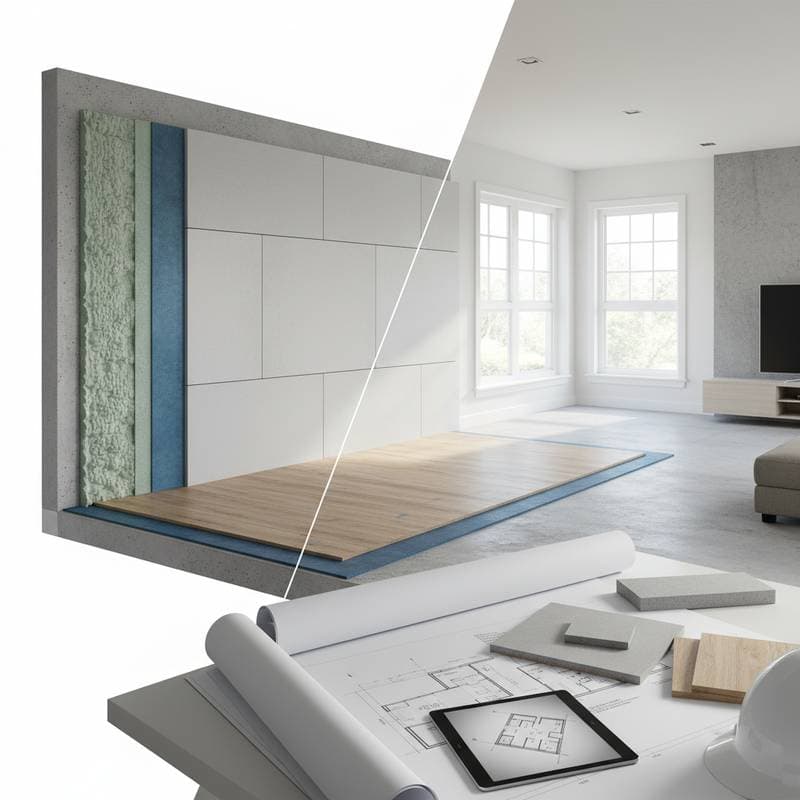
Rebuild Smart to Stop Mold Before It Starts

Rebuilding after a flood requires more than restoration; it demands proactive choices to prevent mold and water damage. Select water-resistant materials such as cement board, closed-cell insulation, and waterproof flooring to enhance durability, reduce energy costs, and lower insurance premiums for long-term protection.

5 min read
By Stacy Cadri

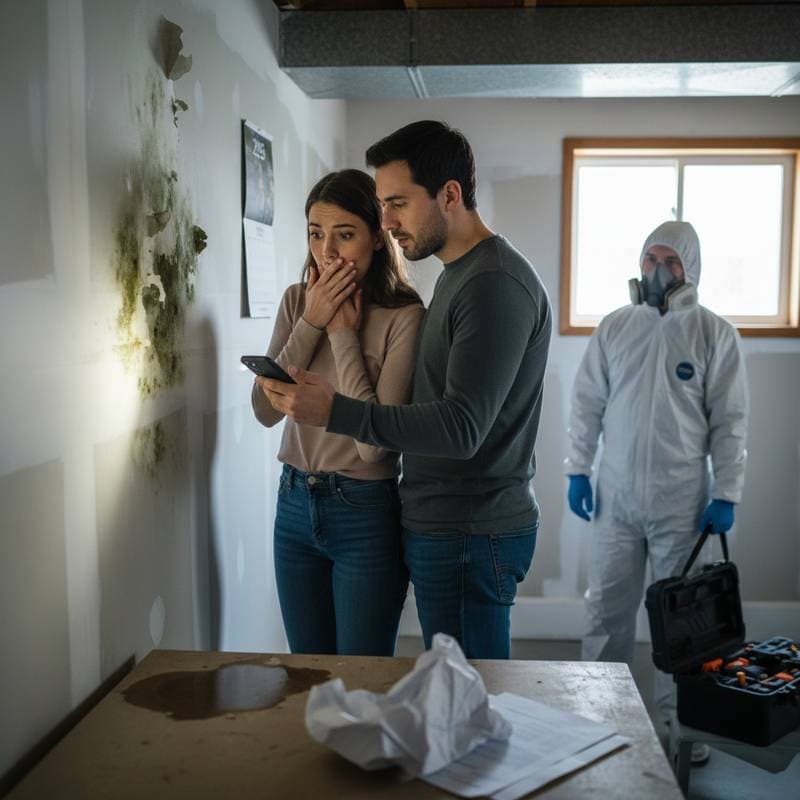
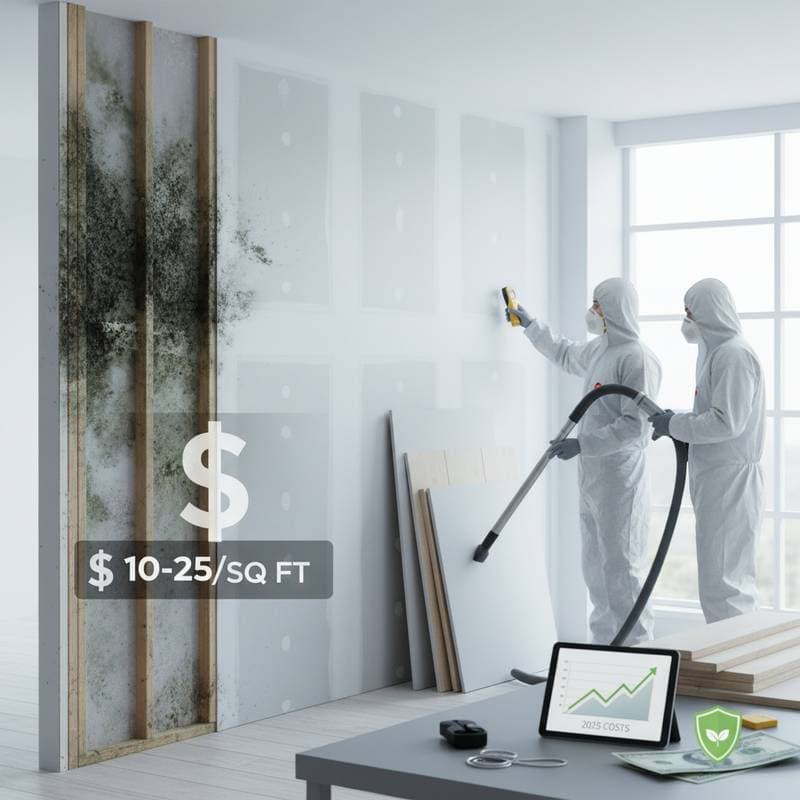
Mold Costs $10-25 Per Square Foot in 2025

Mold remediation costs in 2025 typically range from $1,200 to $7,000, influenced by the extent of infestation, affected materials, and necessary repairs. Prompt action, moisture source elimination, and decisions between DIY efforts or professional services can reduce expenses significantly. This guide details cost components, prevention methods, and strategies to maintain home value, resident health, and energy efficiency.

4 min read
By Stacy Cadri

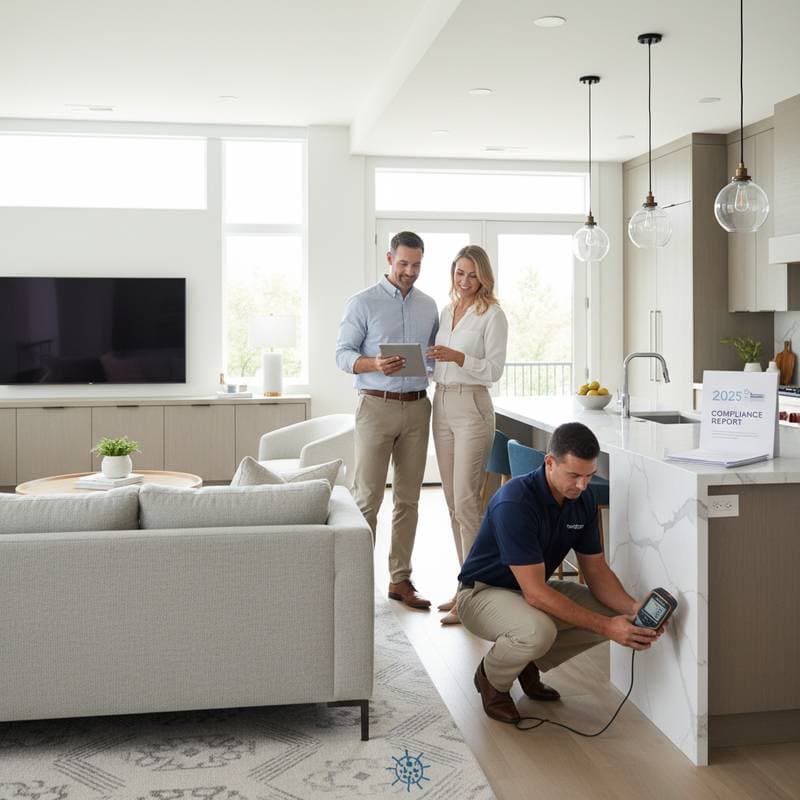
Moisture Mapping Stops Mold Before It Starts

Moisture mapping employs advanced sensors and thermal imaging to uncover concealed dampness prior to mold formation. This method identifies leaks hidden behind walls or beneath floors, thereby safeguarding your home's structure, indoor air quality, and overall value. Understand how this non-invasive approach averts expensive repairs and maintains healthy, dry living environments.

5 min read
By Kelly Alyse

Catch Moisture Early Before Mold Takes Hold

Concealed moisture poses a silent threat to your home, fostering mold growth and structural decay without immediate warning. This guide explains how to uncover dampness using advanced tools like thermal cameras, moisture meters, and wireless sensors. Gain insights into prevalent leak origins, proactive measures, and professional intervention to maintain your home's integrity, air quality, and value.

4 min read
By Becca Roberts