Mold-Resistant Essentials for 2026 Home Renovations
A mold-resistant renovation safeguards your home's structure, air quality, and enduring value. Residents in humid regions or those seeking a healthier living space benefit most from materials and systems that deter mold growth. Mold proliferates rapidly in trapped moisture behind walls or beneath floors, resulting in costly repairs and health concerns. Strategic planning around moisture management and resistant materials averts these issues from the outset.
Key Facts
Average Cost: $3,000 to $12,000 for moderate mold-resistant upgrades
Timeline: 1 to 4 weeks based on project scope
Material Lifespan: 20 to 50 years for most mold-resistant finishes
DIY Difficulty: Moderate to high
Professional Help: Recommended for large surfaces, HVAC modifications, and structural enhancements
Why Mold Resistance Matters
Mold flourishes at the intersection of moisture and organic substances. Bathrooms, kitchens, basements, and attics emerge as primary hotspots. Growth erodes drywall, wood framing, and insulation while dispersing spores that provoke allergies and respiratory problems. Remediation expenses often climb into thousands, particularly when damage conceals itself behind surfaces.
Incorporating mold-resistant materials yields dual benefits. These options deny mold its nutrient base, halting spore adhesion. Enhanced ventilation and water control further curb moisture buildup. Together, they fortify your home and purify indoor air.
Cost Breakdown by Material and Scope
Expenses for mold-resistant upgrades vary by application site and extent. The table below details prevalent materials and their price ranges.
| Material or Upgrade | Average Cost per Square Foot | Typical Applications |
|---|---|---|
| Mold-resistant drywall | $0.50 to $1.00 | Walls and ceilings in bathrooms or basements |
| Mold-resistant paint | $20 to $50 per gallon | Bathrooms, kitchens, laundry rooms |
| Cement board | $1.50 to $3.00 | Shower walls, tub surrounds, backsplashes |
| Closed-cell spray foam insulation | $1.00 to $2.50 | Attics, basements, crawl spaces |
| Waterproof flooring (vinyl, tile) | $2.00 to $6.00 | Kitchens, bathrooms, laundry rooms |
| Dehumidifier or ventilation upgrade | $500 to $2,000 | Whole-home or room-specific systems |
Opt for mold-resistant variants when replacing drywall or insulation. Such choices inflate total costs minimally yet avert substantial future expenditures.
Key Factors That Affect Cost
1. Climate and Humidity Levels
Residences in coastal or subtropical zones endure persistent high humidity. These settings demand robust mold resistance, often escalating costs through added ventilation or barriers.
2. Home Age and Condition
Aging structures frequently omit vapor barriers or contemporary insulation. Renovations here necessitate scrutiny of framing and sheathing for prior moisture harm. Such fixes can elevate project budgets by 10 to 20 percent.
3. Material Selection
Premium options like cement board or closed-cell spray foam command higher initial prices but deliver sustained safeguards. Budget alternatives may economize short-term yet degrade prematurely.
4. Labor Requirements
Correct installation rivals material quality in importance. Faulty sealing or ventilation layouts invite moisture pockets behind surfaces. Engaging skilled contractors mitigates expensive errors.
5. Project Size
A bathroom overhaul incorporating mold-resistant elements typically ranges from $5,000 to $8,000. Comprehensive home updates with fresh drywall, insulation, and flooring may surpass $20,000, contingent on selections.
Mold-Resistant Materials to Prioritize
Mold-Resistant Drywall
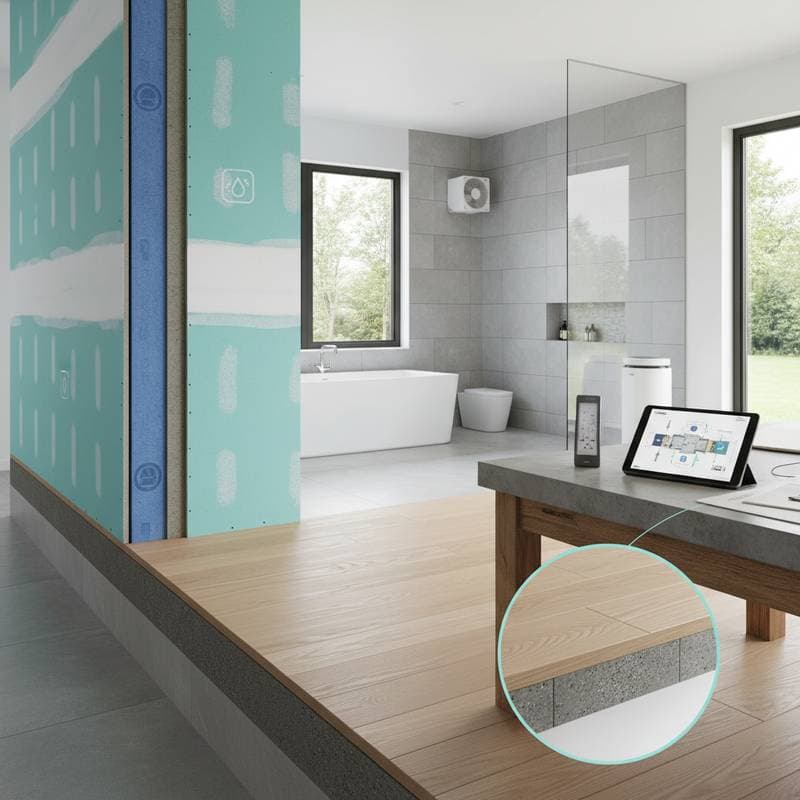
Fiberglass-mat or treated-paper-faced drywall inhibits mold proliferation. It excels in humid zones such as bathrooms, basements, and laundry areas. Deploy it in locations anticipating intermittent moisture contact.
Mold-Resistant Paint
Antimicrobial-infused paints curb surface mold expansion. They facilitate simple cleaning and resist flaking. Employ two coats minimum for optimal results.
Cement Board
This inorganic, resilient alternative supplants traditional drywall in damp settings. It forms a solid tile substrate without moisture absorption, suiting showers and tub enclosures.
Closed-Cell Spray Foam Insulation
Serving as insulation and vapor barrier, closed-cell foam occludes gaps where humid air meets cooler areas, fostering condensation. It bolsters framing integrity as well.
Waterproof Flooring
Materials like luxury vinyl plank, porcelain tile, or sealed concrete repel water ingress. Steer clear of carpet or untreated wood in vulnerable spaces, as they retain dampness and promote mold.
Vapor Barriers and Sealants
Position vapor barriers on basement walls, crawl space floors, or beneath flooring to block soil moisture. Premium sealants around fixtures and openings thwart water entry.
Steps to Plan a Mold-Resistant Renovation
Step 1: Inspect and Assess
Conduct a comprehensive evaluation to detect mold, leaks, or odors. Focus on attic insulation, basement edges, and cabinet undersides. Address remediation prior to new work if mold exists.
Step 2: Improve Drainage and Ventilation
Verify that gutters, downspouts, and site grading divert water from foundations. Confirm indoor fans in bathrooms and kitchens exhaust externally. Install a whole-home dehumidifier if humidity exceeds 50 percent.
Step 3: Choose the Right Materials
Pick mold-resistant drywall, paint, insulation, and flooring aligned with your finances and local climate. Favor non-porous surfaces that repel moisture.
Step 4: Hire Qualified Contractors
Select licensed experts versed in moisture dynamics to craft preventive plans. Solicit references and verify material compliance with resistance criteria.
Step 5: Install Moisture Barriers
Incorporate vapor barriers behind drywall or under flooring in basements and baths. Precise placement bars moisture from wall voids or subfloors.
Step 6: Seal and Finish
Apply waterproof caulk at seams and borders. Coat with mold-resistant paint in dual layers. Permit adequate drying intervals for secure adhesion.
Step 7: Maintain Long-Term Control
Post-renovation, track humidity and scrutinize risk zones routinely. Employ mild cleaners for surfaces and promptly mend leaks.
Pros and Cons of Mold-Resistant Materials
Advantages
- Healthier indoor air: Diminishes allergens and breathing irritants.
- Lower maintenance: Surfaces remain pristine with infrequent repaints.
- Durability: Endures prolonged exposure in moist conditions.
- Improved resale value: Appeals to purchasers valuing proactive enhancements.
- Energy efficiency: Options like spray foam elevate insulation efficacy.
Disadvantages
- Higher upfront cost: Adds 10 to 20 percent over standard materials.
- Limited design choices: Items such as cement board necessitate aesthetic overlays.
- Professional installation needed: Subpar work diminishes benefits.
DIY vs Professional Installation
DIY-Friendly Tasks
Apply mold-resistant paint, swap minor drywall patches, or fit vapor barriers in reachable spots. Adding a portable dehumidifier or enhancing weatherstripping proves straightforward for homeowners.
When to Hire a Pro
Enlist professionals for insulation, HVAC alterations, or structural fixes. Inadequate sealing or airflow schemes risk enclosing moisture within walls. Experts possess tools to gauge humidity and uncover concealed leaks.
Professionals orchestrate integrated systems blending ventilation, insulation, and barriers. This synergy ensures comprehensive moisture prevention across your home.
Ways to Save on Mold-Resistant Upgrades
- Combine Projects: Integrate resistance features into planned remodels like bathrooms or basements to avoid redundant labor.
- Focus on High-Risk Areas: Target bathrooms, kitchens, and basements first, deferring less vulnerable spaces.
- Shop Off-Season: Acquire materials during construction lulls for reduced pricing.
- Ask About Rebates or Grants: Inquire on incentives for moisture-controlling, energy-saving insulation.
- Compare Contractor Quotes: Obtain three bids from certified professionals to weigh cost against expertise.
Long-Term Maintenance for a Mold-Free Home
Sustained mold prevention hinges on vigilant moisture oversight beyond renovation. Adhere to these routines:
- Maintain indoor humidity at 30 to 50 percent via dehumidification.
- Operate bathroom fans for 15 minutes post-shower.
- Repair plumbing leaks without delay.
- Clear gutters biannually to avert foundation pooling.
- Examine basements and attics quarterly for dampness or scents.
A room humidity gauge aids in monitoring fluctuations. Activate dehumidifiers or ventilation adjustments promptly if levels climb.
Frequently Asked Questions
How long do mold-resistant materials last?
High-quality mold-resistant drywall or paint endures 20 to 50 years with diligent upkeep. Routine cleaning and humidity regulation prolong service life.
Will mold-resistant paint stop existing mold?
No. It deters new growth but fails to eradicate established mold. Disinfect surfaces prior to application.
Do I still need ventilation if I use mold-resistant materials?
Yes. Ventilation expels humidity, a task no material accomplishes independently.
Can I install mold-resistant drywall over old drywall?
Remove suspect old drywall for best results. Overlaying traps spores and exacerbates issues.
Is mold resistance worth the cost?
Yes, for typical homes. Modest premiums yield savings in upkeep, health gains, and finish longevity.
Securing Your Home's Future
Investing in mold-resistant renovations fortifies your home against long-term threats. Though initial outlays exceed conventional options, benefits manifest in diminished repairs, superior air quality, and assured comfort. Identify moisture hotspots now, then execute upgrades merging resistant materials with ventilation and insulation.
Consult a professional for inspections if unsure. They reveal concealed risks, suggest apt products, and oversee flawless execution. Consistent humidity balance and cleaning sustain your efforts, yielding a resilient, healthful abode for decades.