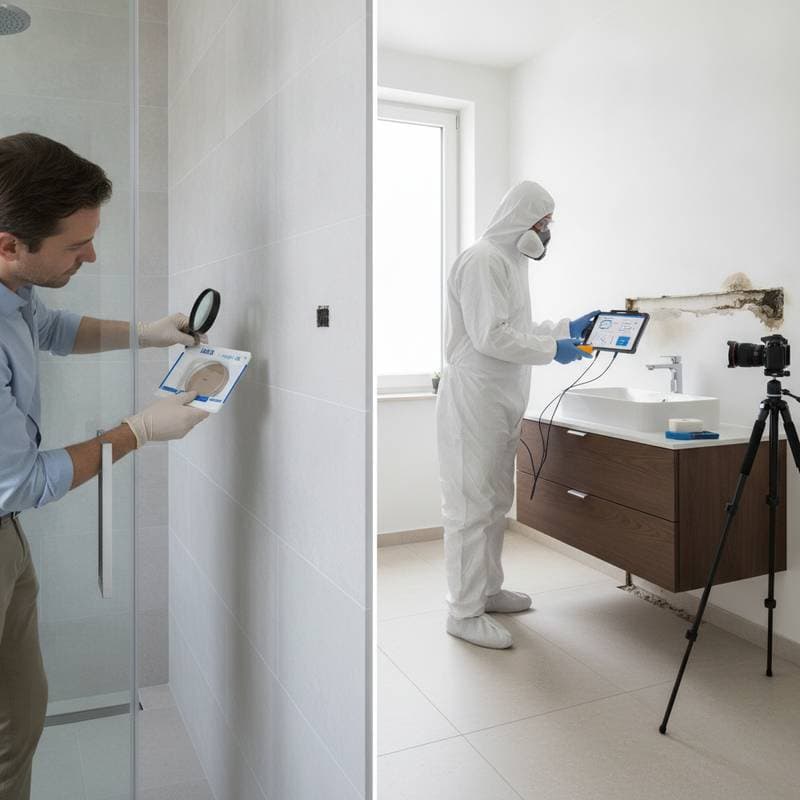
Essential Mold Inspection Rights for 2026 Home Buyers
Purchasing a home marks a significant milestone, filled with visions of personalization and comfort. Yet, amid the excitement, potential hazards like mold demand careful consideration. In 2026, updated regulations emphasize buyer protections, making informed knowledge about mold inspections vital for safeguarding health, finances, and long-term satisfaction.
Mold thrives in moist environments and can compromise structural integrity while posing respiratory risks. Federal and state laws now mandate clearer disclosures from sellers, empowering buyers to request inspections without penalty. This guide outlines legal frameworks, detection strategies, and practical steps to navigate the process confidently.
Understanding 2026 Legal Requirements
In 2026, the Residential Mold Disclosure Act requires sellers to report known mold issues in writing during the initial offer phase. Buyers gain the right to a professional inspection within 10 days of contract acceptance, with costs often negotiable as part of contingencies. Failure to disclose can result in seller liability for remediation up to 150 percent of repair costs, as ruled in recent precedents.
State variations exist; for instance, coastal regions enforce stricter humidity standards due to climate impacts. Always review the purchase agreement for clauses allowing inspection waivers only with mutual consent. These protections ensure buyers avoid post-closing surprises and enable informed negotiations.
Identifying Potential Mold Problems
Visual and sensory cues often reveal mold before formal testing. Inspect basements, attics, and bathrooms for telltale signs such as discolored patches on grout or insulation. A damp, mildew-like odor persisting despite ventilation indicates hidden growth behind walls.
Water stains from prior floods or roof leaks serve as red flags, especially if repairs appear superficial. Check HVAC filters for black residue, a common mold harbor. Document findings with photographs to support inspection requests and strengthen bargaining positions.
Conducting a Thorough Mold Inspection
Home inspectors provide a baseline assessment, but certified mold specialists use advanced tools like moisture meters and air sampling for precision. In 2026, inspectors must hold credentials from the Indoor Air Quality Association, ensuring reliable results. Schedule separate mold evaluations if the general inspection flags moisture concerns.
During walkthroughs, test multiple areas: crawl spaces for groundwater intrusion, kitchens for appliance leaks, and exteriors for poor drainage. Results classify mold types—toxic varieties like Stachybotrys require immediate action. Retain reports for warranty claims or future sales disclosures.
DIY Detection Versus Professional Services
For minor surface issues, initial checks fall within buyer capabilities. Equip yourself with protective gear and probe non-porous surfaces gently. Clean small spots with a vinegar solution, monitoring for recurrence over weeks.
However, professionals handle complex scenarios involving ductwork or subflooring. Engage them when growth exceeds 10 square feet or symptoms like allergies emerge. Certified firms offer remediation plans compliant with 2026 EPA guidelines, preventing cross-contamination.
Cost-Effective Management Strategies
Budgeting for mold prevention aligns with long-term savings. Basic measures include installing exhaust fans rated at 100 CFM in high-moisture rooms and maintaining indoor humidity below 50 percent. Seal gaps around pipes with silicone caulk to block entry points.
Mid-range options involve upgrading to mold-resistant paints and insulating cold water lines. For extensive problems, allocate funds for professional remediation, averaging $500 to $2,500 based on affected areas. Negotiate seller credits during escrow to offset these expenses.
Homeowner Toolkit for Mold Prevention
Skill Level: Entry
Required Items: Flashlight, moisture meter, N95 mask, rubber gloves, HEPA vacuum, and humidity gauge
Suitable for DIY: Isolated spots on tiles or glass
Professional Threshold: Airborne spores, structural involvement, or health impacts
Cost Breakdown: Basic supplies under $50; full inspections $300 to $800; remediation $1,000 plus
Integrate these tools into routine maintenance schedules, such as quarterly checks post-rainy seasons.
Securing Your Purchase with Confidence
Armed with 2026 legal insights and practical tactics, buyers transform potential pitfalls into manageable steps. Assemble a team of inspectors and agents early to streamline evaluations. This proactive approach not only mitigates risks but also enhances property value through preventive care.
Ultimately, a mold-free home fosters enduring well-being. Proceed with diligence, and enjoy the stability of your investment for years ahead.