Why Buyers Insist on Mold Inspections Before Closing
Purchasing a first home brings excitement as you tour properties, envision your belongings in place, and prepare for relocation. However, concealed problems within an appealing house can undermine your security and satisfaction. Mold stands out as a growing concern that savvy buyers address prior to closing. What once served as an optional step now forms a core element of prudent home acquisition, backed by compelling rationale.
Understanding Mold and Its Risks
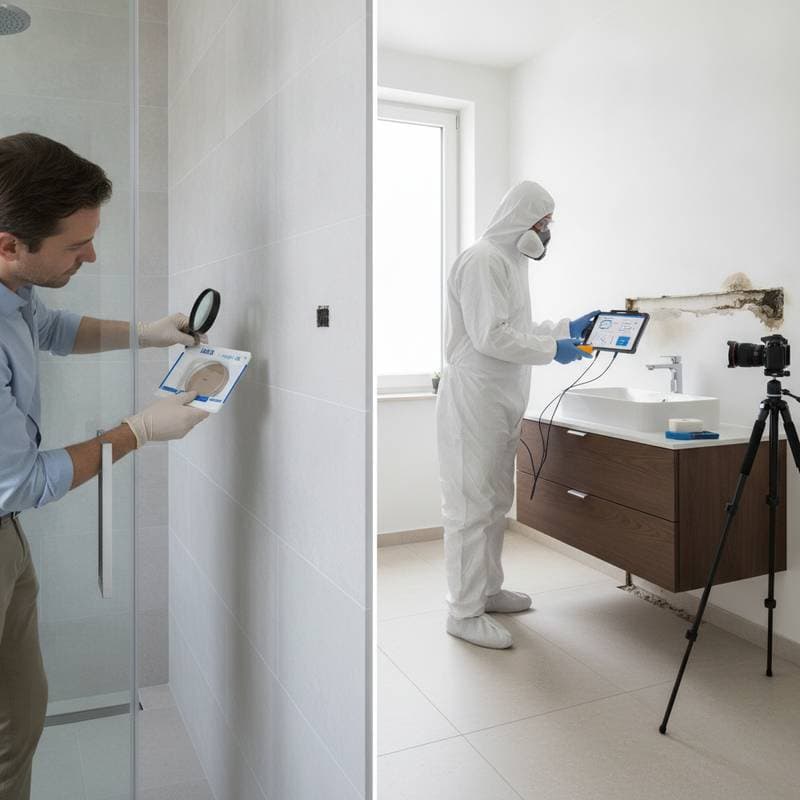
Mold flourishes in any environment with excess moisture. It conceals itself behind drywall, beneath floors, and within HVAC ducts. Minor leaks or inadequate airflow suffice to foster expansive growth. Beyond odors and visible blemishes, mold erodes building integrity and triggers health issues. A comprehensive pre-purchase inspection uncovers these threats early, averting expensive discoveries post-move.
The Shift Toward Routine Mold Inspections
General home inspections once covered basic needs adequately. Contemporary buyers seek deeper insights into property health. Mold assessments highlight problems that standard evaluations might miss. Heightened awareness of indoor air quality links to wellness drives this demand. Buyers prioritize environments safe for family members and visitors alike.
Mold impacts everyone, though those with allergies, asthma, or compromised immunity face greater vulnerability. Minor exposures can provoke coughing, headaches, or respiratory distress. Awareness of how inspections mitigate these risks positions them as essential safeguards.
Key Strategies to Prevent Mold Growth
Moisture control forms the foundation of mold prevention. Homeowners implement these practices to maintain a mold-free interior:
- Examine plumbing fixtures, windows, and roofs weekly for leaks. Prompt repairs halt water intrusion.
- Install and operate exhaust fans in high-humidity zones like bathrooms and kitchens to expel damp air.
- Clear gutters seasonally to direct rainwater away from foundations and walls.
- Use hygrometers to track humidity; aim for levels under 50 percent with dehumidifiers in prone areas.
- Routinely scan basements, attics, and crawl spaces for signs of dampness, such as softened materials or earthy scents.
Consistent application of these measures minimizes the chance of undetected mold proliferation.
Recognizing Early Indicators of Mold
Mold often evades casual observation. Watch for these subtle cues that signal potential issues:
- Lingering musty odors in enclosed spaces
- Dark spots or irregular patterns on surfaces
- Warped paint or swollen drywall
- Persistent window condensation
- Worsening indoor allergy reactions
During property viewings or initial checks, note these symptoms and insist on professional testing to proceed confidently.
Weighing DIY Testing Against Professional Services
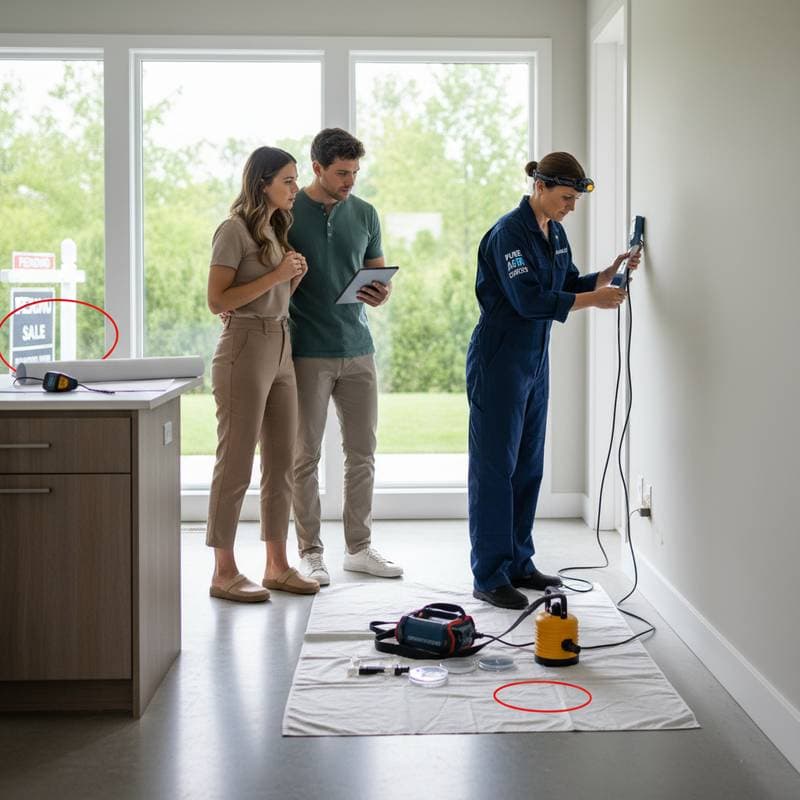
Buyers sometimes consider self-testing for mold. Over-the-counter kits offer basic detection but yield incomplete data. Experts employ advanced equipment, including moisture detectors and airborne spore samplers, to assess mold variety, extent, and sources.
DIY approaches work for superficial, observable growth in accessible spots, particularly alongside routine cleaning. Professional evaluations prove superior for comprehensive scans, concealed dampness, or air purity concerns. For home purchases, opt for certified inspectors to secure accurate reports that support negotiations on fixes or pricing.
Cost-Effective Ways to Address Mold Findings
Minor mold detections from inspections lend themselves to economical resolutions:
- Scrub affected surfaces with soapy water solutions; reserve bleach for non-porous items only.
- Enhance circulation by installing vents or propping doors to circulate air.
- Deploy dehumidifiers in moisture-heavy rooms to stabilize conditions.
- Renew sealant around fixtures and frames to block future water entry.
Extensive mold requires specialized intervention, yet upfront costs preserve structural value and air standards. Leverage inspection outcomes to compel seller-funded remedies or concessions.
Situations Requiring Expert Mold Removal
Engage remediation specialists in these scenarios:
- Growth exceeding 10 square feet
- Infestations within structural elements, ducts, or insulation
- Households with respiratory vulnerabilities
- Recent flooding or widespread water exposure
Trained teams excise tainted substances, apply protective coatings, and eliminate moisture origins to ensure lasting elimination.
Homeowner Guide to Mold Management
Skill Level: Entry
Required Items: Flashlight, optional moisture gauge, basic cleaners, humidity control unit
Ideal for DIY: Surface-level cleaning or preventive monitoring
Professional Threshold: Extensive spread, building compromise, or health impacts
Cost Range: Under $50 for basic upkeep; $100–$300 for inspections; $500–$5,000+ for remediation based on scope
Impact of Mold Testing on Transaction Outcomes
Incorporating mold checks into pre-closing protocols shapes deal dynamics. Standard contracts feature inspection clauses that allow buyers to renegotiate or exit upon adverse findings. Positive mold results prompt demands for pre-closing treatments or compensation offsets.
Forward-thinking sellers conduct their own tests and corrections, streamlining processes. Such disclosures foster buyer assurance through verified records, promoting mutual confidence and efficient closings.
Steps to Confident Home Acquisition
First-time buyers might view additional inspections as burdensome, yet mold evaluations deliver unmatched protection. They illuminate true property states, refine financial planning, and affirm a secure living space. Embrace this practice to secure a foundation built on reliability and foresight.