Understanding Humidity Control for Mold Prevention in 2025
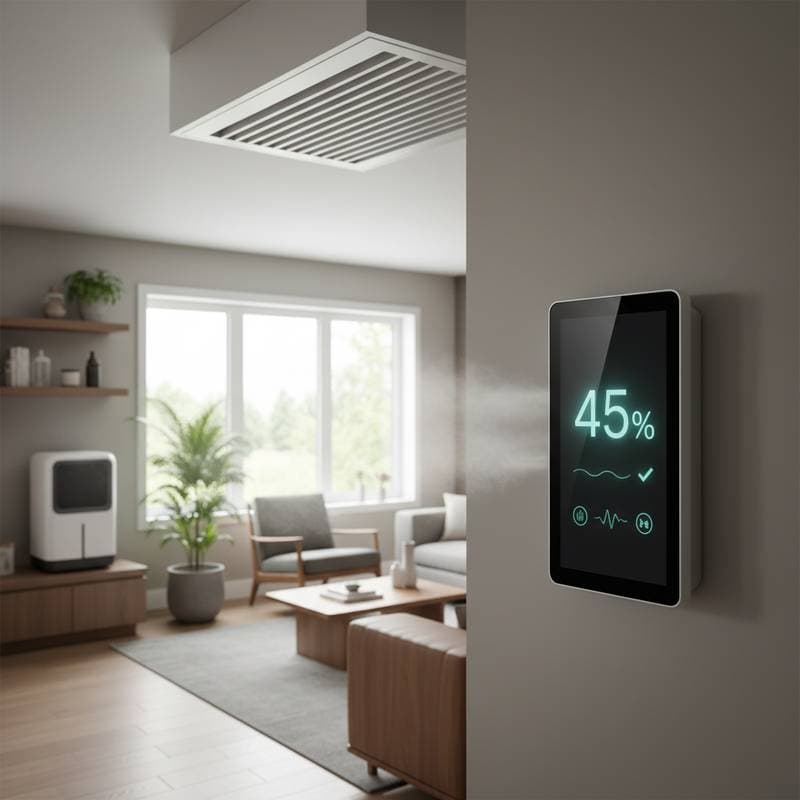
Indoor humidity levels directly influence home health and comfort. When relative humidity exceeds 50 percent, mold spores find ideal conditions to grow, leading to potential structural damage and health concerns like allergies or respiratory issues. Modern humidity control systems target the 40-50 percent sweet spot, where mold growth halts while maintaining a comfortable environment. These advancements integrate seamlessly into daily living, offering precise management through technology tailored for today's homes.
Excess moisture often stems from everyday activities such as cooking, showering, or even breathing in tightly sealed spaces. In humid climates or during rainy seasons, without intervention, indoor air can become a breeding ground for problems. By stabilizing humidity, homeowners not only prevent mold but also reduce dust mites and improve overall air quality, creating a more inviting living space.
Why 40-50% Humidity Matters
This specific range balances moisture just right. Below 40 percent, air feels dry, potentially causing skin irritation or static electricity buildup. Above 50 percent, condensation forms on surfaces, inviting mold and mildew. Research in building science confirms that 40-50 percent inhibits microbial growth without compromising comfort.
Consider a typical family home in a moderate climate. During summer, outdoor humidity might hover at 70 percent, seeping indoors through windows or walls. A well-calibrated system removes excess moisture at the source, ensuring even distribution throughout rooms. This precision extends to winter, where dry heating systems can be supplemented to avoid dipping too low.
Homeowners report noticeable differences: fewer musty odors, less window condensation, and enhanced HVAC efficiency. The result is a resilient home that stands up to environmental stresses over time.
System Overview: Core Components
Technology Type: Whole-home dehumidifiers paired with smart sensors for real-time monitoring.
Efficiency Rating: Achieve up to 2.8 liters per kilowatt-hour, minimizing energy use.
Suitable Climate Zones: Designed for U.S. Department of Energy Zones 2 through 6, covering much of the continental U.S.
Capacity Range: From 70 to 130 pints of moisture removal per day, scalable to home size.
Expected Lifespan: 10 to 15 years, provided regular maintenance occurs.
Installation Needs: Moderate complexity, often tying into existing HVAC setups for optimal performance.
These systems use advanced compressors and sensors to adjust automatically. For instance, in a 2,000-square-foot home, a 90-pint unit might activate during peak humidity hours, quietly pulling moisture without disrupting routines.
Key Performance Comparisons
Selecting the right system involves weighing options against your home's needs. The table below highlights differences among popular types.
| System Type | Efficiency Rating | Installation Cost | Annual Operating Cost | Maintenance Level | Environmental Impact |
|---|---|---|---|---|---|
| Whole-Home Dehumidifier | 2.8 L/kWh | Medium | Moderate | Moderate | Low refrigerant emissions |
| Energy Recovery Ventilator (ERV) | 70% SRE / 60% LRE | High | Low | Moderate | Enhances air quality, reduces energy loss |
| Smart Humidity Module | Variable | Low | Low | Low | Varies with integrated HVAC system |
Whole-home dehumidifiers excel in high-moisture areas, while ERVs shine in balanced ventilation needs. Smart modules offer an affordable entry point for retrofits, connecting via apps for remote adjustments.
Seamless Integration with Home Systems
Effective humidity control requires harmony with your home's infrastructure. Start by evaluating the HVAC return ducts, as improper airflow can hinder performance. Air handlers must manage static pressure without strain, ensuring consistent operation.
In homes equipped with variable refrigerant flow (VRF) systems, compatibility is crucial. Sensors communicate via protocols like BACnet or Wi-Fi, allowing the compressor to modulate based on real-time data. This synchronization prevents issues like short-cycling, where units turn on and off too frequently, wasting energy and causing uneven humidity.
Electrical considerations play a key role. Most whole-home units require 5 to 10 amps, often necessitating a dedicated circuit to avoid overloads. For condensate drainage, adhere to local plumbing codes: install traps to prevent sewer gas backflow and add secondary pans to catch potential overflows, protecting floors and walls from water damage.
Professional assessments reveal common pitfalls, such as undersized ducts leading to hot spots. Addressing these during installation ensures the system runs efficiently from day one.
Evaluating Costs and Long-Term Benefits
Upfront investment in humidity control varies: a basic whole-home dehumidifier might cost $1,500 to $3,000 installed, while advanced ERV setups reach $5,000 or more. However, these expenses pay off quickly.
Lower humidity improves cooling efficiency. For every 5 percent drop in relative humidity, you can raise the thermostat by two degrees without sacrificing comfort, potentially saving 10 percent on cooling bills. In a home using 1,000 kWh monthly for air conditioning, this translates to $100 annual savings at average rates.
Contrast this with mold remediation costs, which average $2,000 to $10,000 per incident, plus indirect losses like temporary relocation or decreased property value. Over 10 years, a humidity system could recoup its cost through energy reductions and avoided repairs, often yielding a 20-30 percent return.
Energy-efficient models qualify for rebates in many regions, further offsetting initial outlays. Track savings with built-in system logs or smart home integrations for clear financial insights.
Steps for Professional Installation
Rely on certified HVAC professionals for setup. They conduct Manual J load calculations, accounting for both sensible heat (temperature) and latent heat (moisture). This ensures the system matches your home's square footage, insulation, and occupancy.
During installation, technicians verify airflow rates and sensor placements, ideally in central locations like return plenums. Post-install testing confirms the system holds 40-50 percent humidity across zones, adjusting as needed.
Homeowners in older structures may need duct modifications, but these enhancements often improve overall system performance beyond humidity alone.
Ongoing Maintenance for Peak Performance
Sustained effectiveness demands routine care. Replace air filters every three months to prevent clogs that reduce efficiency. Annually, clean evaporator coils with approved solutions to remove buildup, restoring full capacity.
Calibrate humidity sensors yearly using manufacturer guidelines, as drift can lead to inaccurate readings. Check condensate lines monthly for blockages; a simple vinegar flush clears mineral deposits and stops overflows that foster bacteria.
Monitor via app notifications for alerts on filter status or unusual operation. In hard-water areas, consider scale inhibitors to extend component life. These habits keep the system running smoothly, avoiding costly breakdowns.
Achieving Lasting Home Resilience
Consistent humidity management forms the foundation of a durable, healthy home. Pair it with adequate ventilation to exchange stale air and insulation to minimize moisture infiltration. Homeowners who implement these strategies enjoy fewer allergens, stable comfort year-round, and preserved property value.
Start by assessing your current levels with a hygrometer, then consult a professional for tailored recommendations. The investment in 40-50 percent control delivers peace of mind, turning potential vulnerabilities into strengths for generations.