Key Takeaways
- Moisture mapping detects concealed humidity levels before mold emerges, which conserves time, reduces expenses, and preserves building materials.
- Digital sensors and imaging devices expose leaks located behind walls or under flooring that remain invisible and imperceptible to touch.
- Early identification safeguards the home's structural integrity, maintains superior indoor air quality, and upholds long-term property value.
How Does Moisture Mapping Work?
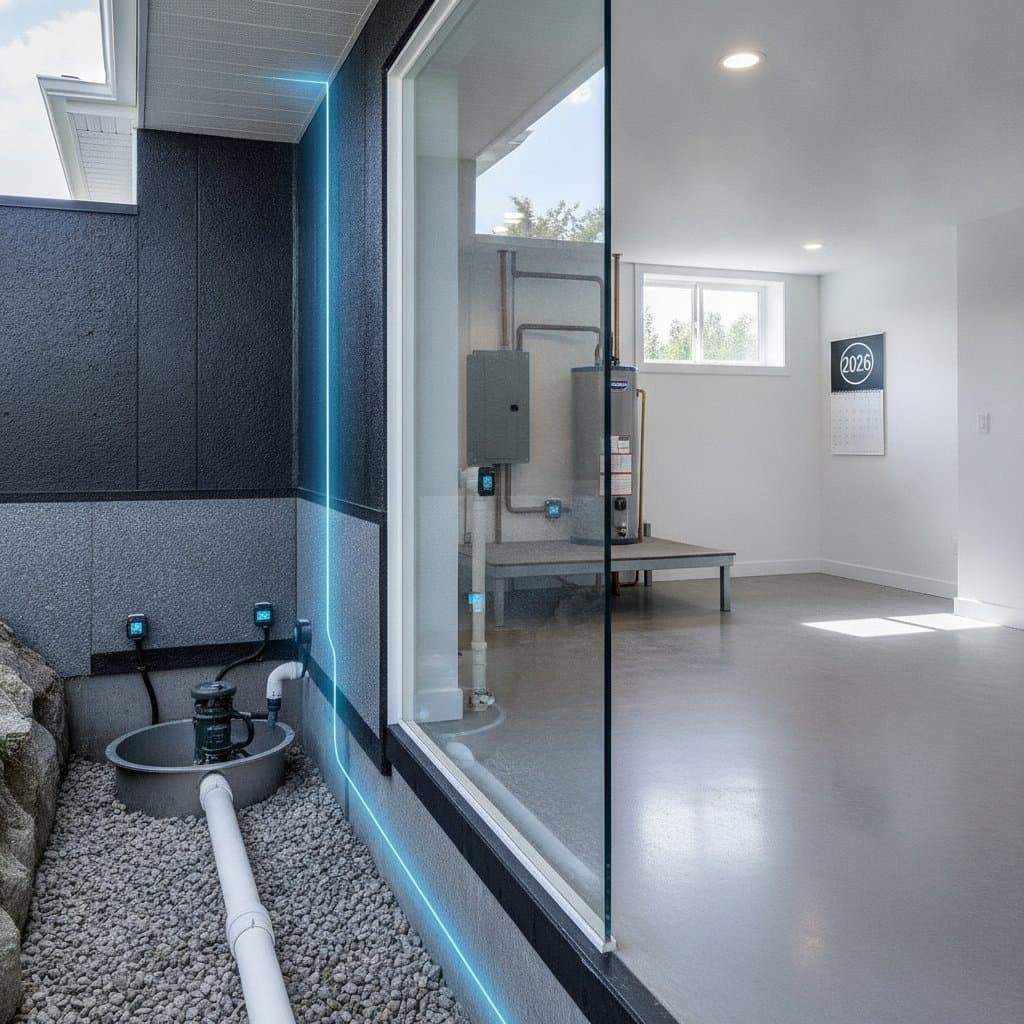
Inspectors deploy digital sensors, infrared cameras, and specialized moisture meters to assess moisture content and generate a detailed visual representation of affected areas.
The procedure commences with systematic scanning of surfaces using portable meters or thermal imaging equipment. These instruments identify minor variations in temperature or electrical conductivity that indicate the presence of hidden moisture. Collected data transforms into color-coded diagrams that differentiate between dry regions, moderately damp zones, and fully saturated spots. This visualization provides a precise overview of water intrusion points, accumulation areas, and trapped moisture locations.
For instance, in a typical residential inspection, professionals might scan exterior walls after heavy rainfall to locate seepage from poor sealing around windows. The resulting map not only highlights the immediate problem but also traces the moisture's path, enabling targeted remediation.
Common Tools Used
- Thermal imaging cameras identify temperature differentials caused by evaporative cooling from moisture trapped behind surfaces like drywall or siding.
- Pin-type moisture meters insert small probes into materials to quantify wetness levels directly, offering accurate readings for wood, plaster, or concrete.
- Pinless meters employ electromagnetic waves to survey broad surfaces rapidly without causing any physical damage, ideal for initial large-scale assessments.
- Hygrometers monitor relative humidity in ambient air, helping to detect environments conducive to moisture buildup, such as poorly ventilated attics or crawl spaces.
These instruments operate in tandem to locate leak origins precisely and evaluate the extent of moisture migration. Professionals calibrate them regularly to ensure reliability, often combining readings from multiple devices for comprehensive analysis.
What Are the Benefits of Moisture Mapping for Homeowners?
Moisture mapping delivers preventive advantages by averting mold proliferation, minimizing financial outlays, and prolonging the durability of home components.
Key Benefits
-
Prevents Mold Growth: Mold spores activate and multiply rapidly when organic materials remain wet for 24 to 48 hours. Mapping enables swift drying of compromised areas, halting spore germination and eliminating the need for extensive remediation.
-
Reduces Repair Costs: Identifying issues early allows for simple interventions, such as sealing a minor pipe leak, rather than undertaking major overhauls like replacing entire wall sections or flooring.
-
Improves Indoor Air Quality: Excess moisture fosters allergens, volatile organic compounds, and unpleasant odors. By mitigating dampness, mapping contributes to cleaner air, reducing respiratory irritants and promoting a healthier living environment for occupants.
-
Guides Insurance Claims: Detailed moisture maps serve as evidentiary documentation, illustrating damage extent and supporting reimbursement requests for water-related incidents without ambiguity.
Homeowners frequently overlook subsurface moisture migration, mistaking surface dryness for overall resolution. Mapping illuminates this hidden progression, ensuring treatments address root causes rather than superficial manifestations. Consider a scenario where a slow roof drip affects insulation; without mapping, the issue might persist, leading to gradual structural weakening.
Beyond immediate gains, regular mapping integrates into broader home maintenance strategies. It informs decisions on upgrades, like installing vapor barriers in humid regions, ultimately enhancing resale appeal and equity.
When Should You Schedule a Moisture Mapping Inspection?
Arrange a moisture mapping inspection following water incidents, persistent humidity concerns, or as routine maintenance in aging or moisture-prone properties.
Post-repair evaluations prove essential after addressing roof leaks or basement inundations to verify complete dryness. Similarly, after plumbing modifications or extensive renovations, mapping confirms no residual moisture lingers within assemblies. In regions with elevated humidity, such as coastal areas, incorporate annual inspections into upkeep protocols, particularly for structures featuring wood framing, drywall, or carpeted floors.
Specific triggers include noticing unexplained musty smells, peeling paint, or buckling materials, even without visible water. For new constructions, conduct mapping during the drying-out phase after concrete pours or before enclosing walls to preempt embedded dampness. Homeowners in flood zones might opt for biannual checks to monitor seasonal risks.
Professional services typically last a few hours, depending on home size, and provide reports with recommendations for mitigation, such as improved dehumidification or drainage adjustments.
FAQs About Moisture Mapping
How often should a home undergo moisture mapping?
Homeowners gain value from comprehensive mapping every three to five years or immediately following water events. Properties in high-humidity zones benefit from more frequent assessments, potentially annually.
Can homeowners operate a moisture meter independently?
Basic meters suit homeowner use for routine spot checks in accessible areas. However, professional mapping employs advanced, calibrated equipment and interpretive expertise for thorough evaluations.
Does moisture mapping cause damage to walls or floors?
The method remains entirely non-invasive, relying on surface scanning without penetration, cutting, or drilling into structures.
Does moisture mapping detect mold presence directly?
It locates supportive moisture conditions for mold but does not identify spores. Elevated readings often prompt supplementary mold sampling or air quality tests.
Is moisture mapping applicable to new construction projects?
Yes, it verifies material dryness prior to final installations, averting concealed mold risks in walls, ceilings, or subfloors.
What costs are associated with a professional moisture mapping service?
Fees vary by home size and location but generally range from a few hundred dollars for standard residences, offering substantial savings through prevention.
Implementing Moisture Mapping for Lasting Home Protection
Moisture mapping functions as a strategic diagnostic resource, empowering homeowners to anticipate and neutralize dampness threats. This approach secures comfort, ensures safety, and sustains property worth by addressing water issues at their inception.
Maintain accessibility to a compact moisture meter for monitoring high-risk zones, including near appliances, in basements, or along foundations. Engage professionals for in-depth mapping when indicators suggest escalation. Complement these efforts with foundational practices: optimize ventilation through exhaust fans, direct gutters away from foundations, and apply insulation to minimize condensation risks.
Through consistent application, moisture mapping transforms potential vulnerabilities into managed aspects of home care, fostering enduring dryness and well-being.