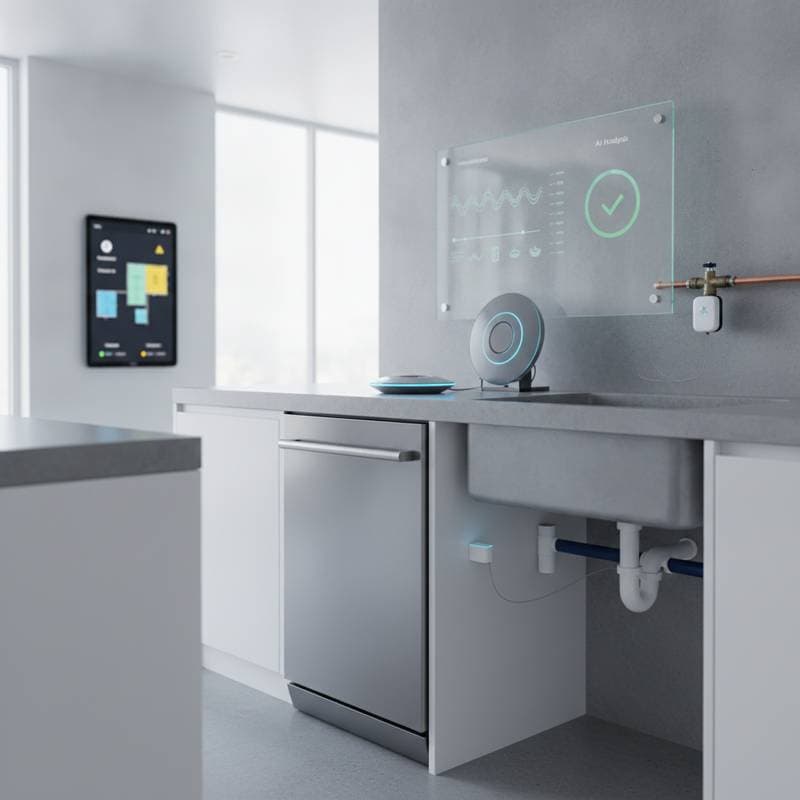
Smart Sensors: Early Detection of Hidden Mold
Mold growth poses a significant threat to homes and health. It thrives in damp, hidden areas, often remaining undetected until visible damage appears. Smart sensors offer a proactive solution by monitoring environmental conditions in real time.
These devices alert homeowners to potential issues before mold takes hold. By addressing moisture sources early, property owners avoid extensive repairs and health risks associated with poor indoor air quality.
Understanding the Risks of Undetected Mold
Mold develops when excess moisture combines with organic materials like drywall or wood. In homes, common culprits include leaks, high humidity, and poor ventilation. Once established, mold spreads quickly, compromising structural integrity and releasing spores that irritate respiratory systems.
Health effects range from allergies to more severe conditions, particularly for vulnerable individuals such as children and the elderly. Remediation costs average thousands of dollars, not including lost time and temporary relocation. Traditional inspections occur too late, after damage has begun.
Smart sensors change this dynamic by providing continuous surveillance. They detect subtle changes that signal impending growth, allowing intervention at the source.
How Smart Sensors Operate
At their core, smart sensors measure key environmental factors. They track humidity levels, temperature fluctuations, and volatile organic compounds (VOCs), which indicate microbial activity. Advanced models use algorithms to analyze data patterns and predict mold risk.
Placement matters for effectiveness. Install sensors in high-risk zones like basements, bathrooms, and attics. Wireless connectivity enables remote monitoring via smartphone apps, sending notifications when thresholds exceed safe limits.
Integration with home systems enhances functionality. Sensors link to HVAC units to adjust airflow and dehumidification automatically. This closed-loop approach maintains optimal conditions without manual oversight.
Key Features of 2025 Smart Sensor Technology
Modern sensors incorporate artificial intelligence for precise forecasting. Machine learning refines detection over time, adapting to a home's unique climate. Battery life extends up to two years, with solar options for sustainability.
Data visualization tools provide clear insights. Apps display trends through graphs and alerts, helping users understand patterns. Some systems connect to broader smart home ecosystems, coordinating with thermostats and air purifiers.
Privacy remains a priority. Encrypted data transmission ensures secure handling of home information. Compliance with industry standards guarantees reliability and accuracy.
Benefits for Homeowners and Budgets
Early detection prevents minor issues from escalating. A single sensor network can save thousands in repair costs by averting widespread mold outbreaks. Healthier air reduces medical expenses and improves daily comfort.
Insurance providers increasingly recognize these technologies. Discounts apply for homes equipped with monitoring systems, lowering premiums. Long-term, sensors contribute to property value by demonstrating proactive maintenance.
Environmental impact decreases as well. Reduced remediation means less waste from demolition and disposal. Energy-efficient integrations lower utility bills through optimized HVAC performance.
Steps to Implement Smart Sensors in Your Home
-
Assess your home's vulnerabilities. Identify areas prone to moisture, such as around windows, pipes, and appliances.
-
Research compatible devices. Look for sensors certified for mold detection, with features like multi-room coverage and app integration.
-
Plan installation. Follow manufacturer guidelines for optimal placement, ensuring sensors avoid direct sunlight or drafts that skew readings.
-
Set up monitoring routines. Configure alerts for humidity above 60 percent or unusual VOC spikes, and review data weekly.
-
Integrate with existing systems. Connect to smart hubs for automated responses, such as activating exhaust fans during high-risk periods.
-
Maintain the setup. Replace batteries as needed and update software for the latest detection algorithms.
Professional assistance proves valuable for complex installations. Electricians or HVAC specialists ensure seamless incorporation into your home infrastructure.
Achieving Lasting Protection Through Monitoring
Smart sensors transform mold management from reactive to preventive. By leveraging data for informed decisions, homeowners safeguard their investments and well-being. Embrace this technology to maintain a resilient, healthy living space.
Ongoing advancements promise even greater accuracy. As sensors evolve, they will integrate with emerging home automation trends, offering comprehensive environmental control. Start with basic monitoring today to build a foundation for tomorrow's innovations.