The 2025 Technologies That Eliminate Basement Mold Risks
Moisture poses a persistent threat to basements, regardless of their intended use for storage, exercise, or living space. Damp walls and lingering odors compromise comfort and diminish property value. Recent advancements in waterproofing and air quality management convert these areas into consistently dry and healthy environments. Innovations such as smart sensors, vapor barriers, and sophisticated dehumidification systems simplify mold prevention and enhance reliability.
Essential Project Details
Typical Investment: $3,000 to $10,000 for comprehensive waterproofing and monitoring installations
Installation Duration: 2 to 5 days
Expected Durability: 15 to 25 years with routine upkeep
Skill Level for DIY: Moderate to high; experts advise professional involvement for seamless integration and secure sealing
Innovative Approaches to Basement Protection
Contemporary waterproofing solutions extend beyond mere water barriers. These systems detect environmental shifts, adapt operations, and provide real-time updates on mold-prone conditions. Homeowners gain confidence through data-driven insights, eliminating uncertainty about basement dryness.
1. Intelligent Moisture Detection Devices
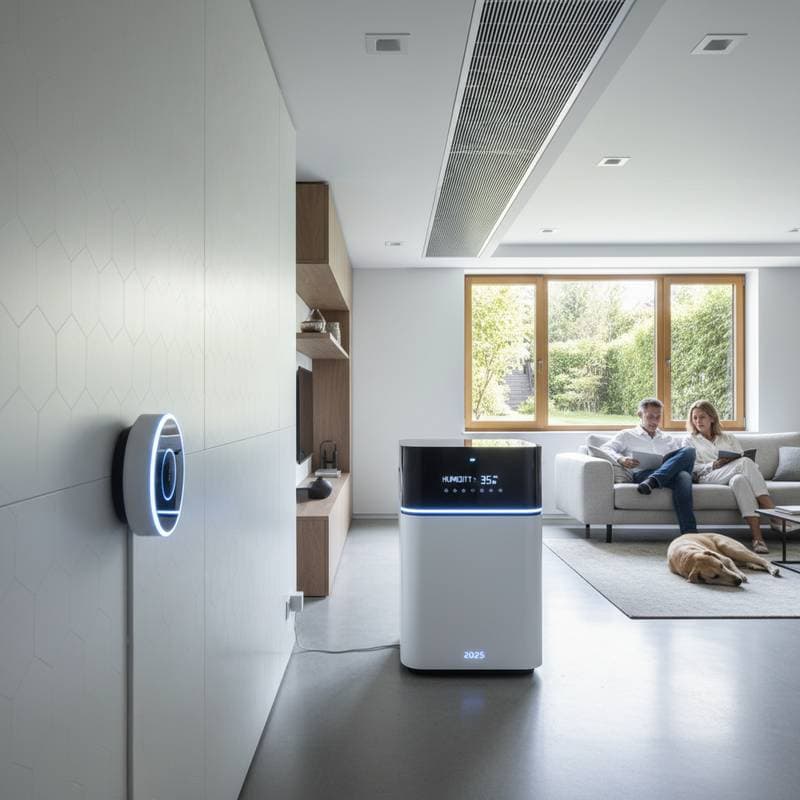
These small units monitor humidity, temperature, and wall wetness levels. Integration with mobile applications delivers notifications when conditions exceed optimal thresholds. Certain models synchronize with home automation platforms to trigger ventilation or dehumidification during sudden humidity increases.
Price Spectrum: $100 to $600, varying by manufacturer and wireless capabilities
Installation Guidance: Position units adjacent to sump pumps, window wells, and foundation edges, areas prone to water accumulation
2. Reactive Polymer Sealants for Concrete
These coatings employ polymers that swell upon contact with water, effectively sealing tiny fissures in foundation walls. Water intrusion remains blocked while the material retains flexibility through years of exposure. Application suits both interior and exterior surfaces for broad protection.
Pricing per Square Foot: $3 to $7, inclusive of professional application
Longevity: Up to 20 years prior to potential renewal
3. Algorithm-Enhanced Dehumidification Units
Current dehumidifiers incorporate machine learning to sustain ideal humidity without frequent user intervention. Devices analyze daily routines, operate efficiently during necessity, and interface with sensors for hands-free regulation. Energy consumption decreases as humidity stabilizes near 50 percent, a level that deters mold growth.
Investment Range: $800 to $1,800, encompassing smart connectivity
Upkeep Routine: Inspect and clean filters monthly; ensure reservoir drainage or connect to a permanent line
4. Advanced Ventilation Systems with Environmental Monitoring
These setups introduce fresh air while expelling excess moisture-laden air. Coupled with sensors for air quality, they modulate fan intensity to avoid stagnant conditions. Monitoring extends to dust particles and chemical vapors, fostering superior indoor health.
Setup Expenses: $1,500 to $4,000, influenced by space dimensions and existing duct configurations
Feasibility for Homeowners: Moderate complexity; certified installers guarantee proper air balance and adherence to regulations
Indicators for Professional Engagement
Routine chores such as gutter clearing or operating standalone dehumidifiers fall within homeowner capabilities. However, intricate waterproofing and networked monitoring demand technical expertise. Specialists offer these services:
- Detailed moisture assessments to identify concealed seepage points
- Suggestions for enhanced drainage or site grading
- Verification that sealants and barriers comply with regional codes
- Secure incorporation of smart devices into electrical frameworks
Persistent signs like ongoing dampness, musty aromas, or discoloration warrant immediate evaluation. Such inspections precede any renovation to avert mold-related damage to fresh installations.
Balancing Self-Managed and Expert Interventions
Homeowners manage straightforward activities, including sensor placement or filter changes. Complex procedures like crack sealing, coating applications, or drainage additions require professional oversight. Improper execution risks moisture entrapment, exacerbating issues over time.
Suitable for Independent Efforts:
- Configuration of monitoring devices and alert systems
- Operation of temporary fans or dehumidifiers
- Seasonal inspections of gutters and drainage paths
Reserved for Specialists:
- Sealing foundations and addressing structural concerns
- Installing sump pumps and excavating drainage channels
- Handling wiring for automated controls
Sustaining Long-Term Basement Health
Protection begins with established dryness, yet ongoing care ensures endurance. Examine sensor readings each month, refresh filters regularly, and verify sump pump functionality ahead of wet seasons. Renew sealants according to product guidelines. Maintaining humidity under 55 percent provides the strongest safeguard against mold resurgence.
Prioritize waterproofing completion before any finishing projects. Proactive technology adoption avoids expensive disruptions in future upgrades.
Practical Actions to Secure Your Space
Conduct a thorough basement review for moisture indicators. Solicit estimates from waterproofing firms experienced in intelligent integrations. Inquire about sensor compatibility, efficient dehumidification options, and extended coverage guarantees. These steps yield a resilient, enjoyable basement that enhances home value and well-being.