Understanding the Impact of 2025 Mold Laws on Home Sales
New regulations effective in 2025 mandate stricter disclosure of mold issues during property transactions. Homeowners must now report any known mold presence or history of remediation to potential buyers. Failure to comply can result in fines up to $10,000 per violation, alongside legal disputes that delay closings.
These laws stem from growing awareness of health risks associated with mold, such as respiratory issues and structural damage. In competitive markets, undisclosed mold can deter buyers and reduce offers by 10 to 20 percent. Proactive sellers who address mold early not only avoid penalties but also position their properties as low-risk investments.
Buyers increasingly demand professional inspections, making mold a key negotiation point. Properties with clean, certified reports command premium prices, often recouping remediation costs through higher sale figures.
Assessing Mold Risks in Your Home
Begin by identifying common mold hotspots: basements, attics, bathrooms, and areas around windows or plumbing. Mold thrives in environments with humidity above 60 percent and temperatures between 77 and 86 degrees Fahrenheit. Look for visible signs like black, green, or white patches, musty odors, or warped materials.
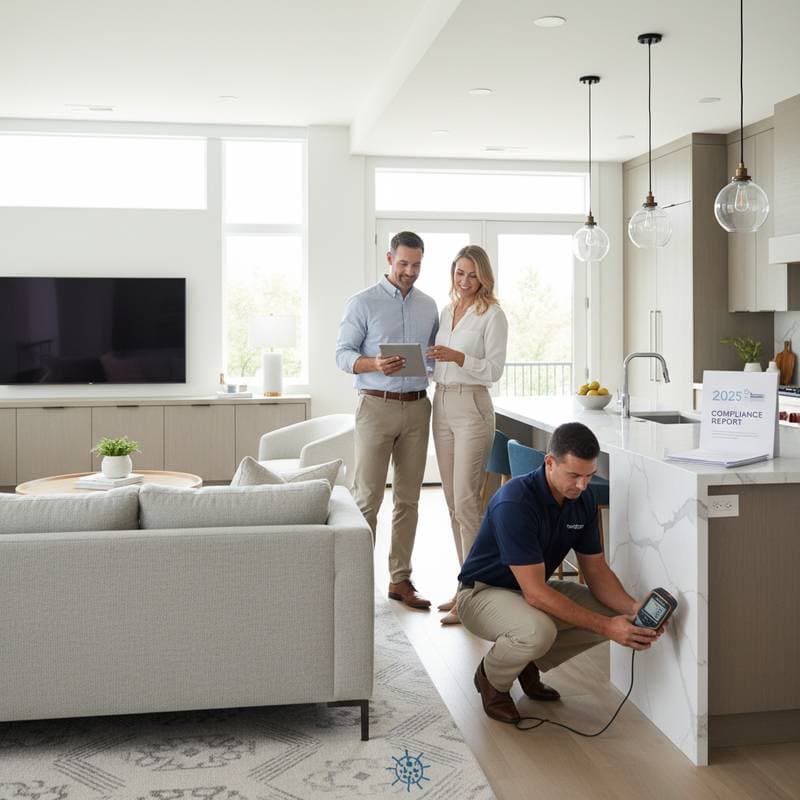
Conduct a thorough walkthrough during dry seasons to spot subtle issues. Use a moisture meter, available for under $20 at hardware stores, to test walls and floors. If readings exceed 15 percent, professional evaluation is essential to determine the extent of infestation.
Hidden mold behind drywall or in HVAC systems poses the greatest threat to sale prices. Untreated, it can spread rapidly, leading to extensive repairs that scare off buyers. Early detection prevents escalation and maintains structural integrity.
Cost Breakdown for Mold Remediation
Remediation expenses vary based on infestation size and location. Small areas under 10 square feet might cost $500 to $1,000 for professional services, including testing and cleanup. Larger problems, such as whole-room treatments, range from $2,000 to $6,000, while full-home remediation can exceed $10,000.
Break down the budget: initial inspection and air quality testing account for 10 to 20 percent; removal and disposal add 50 percent; and preventive measures like sealing and ventilation make up the rest. Homeowners insurance may cover portions if mold results from a covered peril, such as a burst pipe, but exclusions apply to neglect.
Compare quotes from at least three certified contractors to ensure fair pricing. Verify credentials through organizations like the Institute of Inspection Cleaning and Restoration Certification. This step secures quality work without overpaying.
DIY Limits and When to Call Professionals
For minor surface mold on non-porous materials like tile, homeowners can attempt cleanup with a mixture of water and detergent or a 10 percent bleach solution. Apply the solution, scrub gently, and dry thoroughly with fans. Limit DIY to areas under five square feet to avoid spreading spores.
However, porous surfaces like drywall or carpet require professional handling to prevent cross-contamination. DIY efforts on extensive growth risk health exposure and incomplete removal, potentially leading to recurrence. Professionals use specialized equipment, such as HEPA vacuums and antimicrobial treatments, for thorough eradication.
In 2025, sellers must document all remediation. Professional reports provide verifiable proof, essential for disclosures. Rely on experts for attics, crawl spaces, or HVAC systems, where access and safety demand trained intervention.
Optimal Timing for Mold Remediation
Schedule remediation during drier months, ideally spring or fall, to minimize moisture reintroduction. Summer humidity can exacerbate issues, while winter freezes may hide leaks. Aim to complete work at least three months before listing to allow for follow-up testing.
Coordinate with home inspections early in the selling process. If mold appears post-inspection, negotiate repairs with buyers to maintain momentum. Seasonal timing also affects contractor availability; book in advance to avoid delays.
Post-remediation, monitor humidity levels quarterly. This practice ensures compliance and sustains a mold-free environment, appealing to discerning buyers.
Prevention Strategies to Protect Your Investment
After remediation, focus on long-term prevention to avoid future costs. Install dehumidifiers in damp areas like basements to maintain humidity below 50 percent. Seal cracks in foundations and walls with silicone caulk to block water entry.
Maintain gutters and downspouts to direct rainwater away from the structure. Clean them biannually and extend downspouts at least five feet from the foundation. Inspect plumbing behind appliances, such as washers and refrigerators, every six months for drips or corrosion.
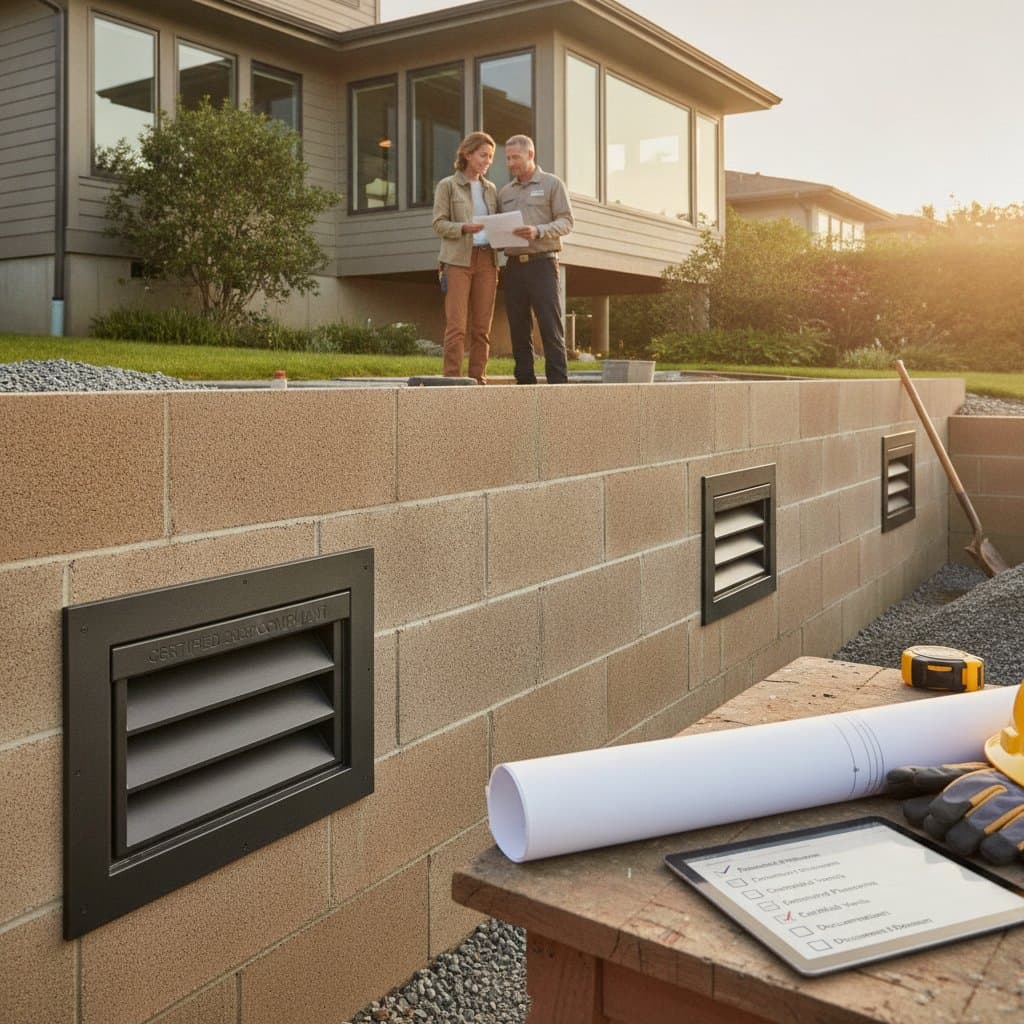
Improve ventilation by using exhaust fans in kitchens and bathrooms. Ensure attic and crawl space vents function properly to promote airflow. These measures reduce moisture buildup and deter mold growth, preserving your home's value over time.
Boosting Buyer Confidence and Resale Value
A certified mold-free report enhances marketability. Buyers view such properties as safer and more reliable, often willing to pay 5 to 15 percent above asking price. In inspections, transparency about past issues with proof of resolution builds trust.
Highlight preventive upgrades in listing descriptions, such as new ventilation systems or sealed foundations. This differentiates your home in a market wary of hidden defects. Professional staging can further emphasize cleanliness and air quality.
Ultimately, these efforts translate to faster sales and higher returns. Sellers who invest in mold management report closing deals 20 percent quicker than those with unresolved issues.
ROI Analysis and Final Steps
Mold remediation yields strong returns, typically recovering 80 to 100 percent of costs at resale. For a $3,000 project, expect an equivalent or greater increase in sale price due to buyer reassurance. Long-term prevention saves on repeated treatments, compounding benefits.
To proceed, schedule a comprehensive home inspection including moisture analysis. Obtain quotes from licensed professionals and prioritize certifications. Document every step for disclosure requirements.
By addressing mold strategically, you protect your investment and position your home for maximum profitability in the evolving 2025 market.