Why Mold Coverage Ends in Home Insurance 2026
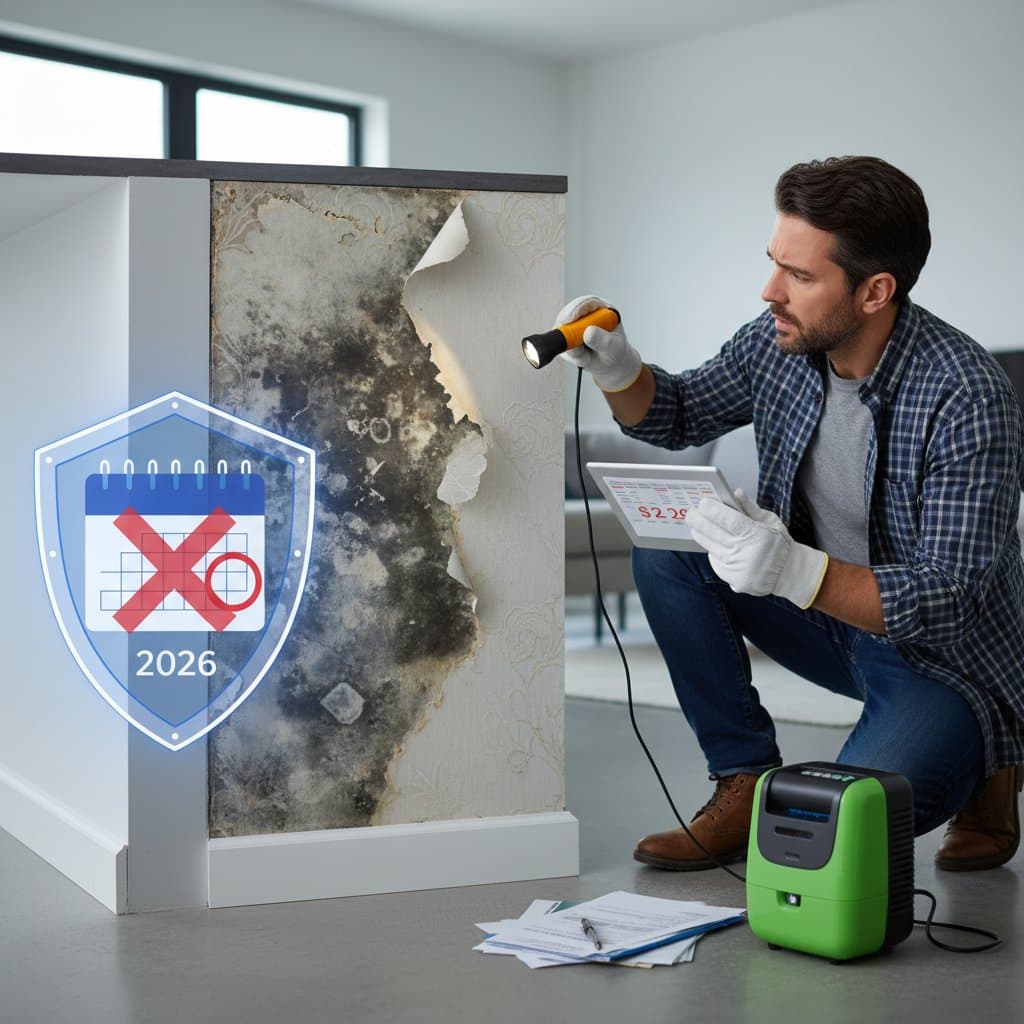
Homeowners often invest time and resources in maintaining their properties, from repairing roofs to addressing leaks. However, a significant change approaches in the insurance landscape: the exclusion of mold coverage from standard home insurance policies starting in 2026. This shift leaves many families exposed to substantial remediation expenses, as mold can infiltrate walls and floors, leading to repairs that exceed five figures.
Insurers cite multiple factors for this decision, including escalating claim costs, evolving environmental conditions, and challenges in distinguishing sudden damage from neglect. This article examines the underlying causes, the implications for coverage, and practical strategies to safeguard properties and finances.
The Primary Drivers Behind the Coverage Reduction
Mold damage typically emerges as a consequence of initial issues such as plumbing failures or inadequate ventilation. Insurers have long differentiated between sudden, accidental water events, which qualify for coverage, and persistent maintenance failures, which do not. Mold often blurs this line, complicating claims processing.
Claims for mold have increased as homeowners detect concealed growth long after an initial incident. By then, the damage requires extensive intervention, with individual claims in kitchens or bathrooms frequently surpassing $15,000 after accounting for demolition, testing, and rebuilding. Across thousands of policies, this pattern creates financial pressure on insurers.
Environmental factors exacerbate the issue. Regions face heightened humidity and precipitation due to climate variations, elevating mold risks even in diligently maintained homes. To mitigate losses and stabilize premiums, insurers opt to eliminate broad mold coverage.
Detailed Cost Analysis of Mold Remediation
Remediation expenses fluctuate based on the mold's location and extent. Professionals conduct thorough assessments to determine the scope, ensuring safe and effective removal.
Breakdown of Common Expenses:
- Inspection and Testing: $300 to $800, varying with the number of samples analyzed.
- Containment Measures: $500 to $1,200, including barriers and negative air pressure systems.
- Removal and Cleaning: $1,000 to $7,000 for surface-level mold; up to $20,000 if structural elements like beams or insulation require treatment.
- Reconstruction Work: $2,000 to $10,000 for replacing drywall, flooring, or cabinetry.
Considerations by Region:
In humid coastal areas, specialist labor rates rise 10 to 15 percent due to high demand. Inland regions with lower moisture may see reduced material costs, though testing and certification often carry premium fees.
A comprehensive project can total over $25,000, posing a major burden without insurance support. Homeowners benefit from understanding these figures to prioritize preventive measures.
Strategic Timing for Moisture Prevention
Mold flourishes in damp environments, so aligning inspections with seasonal patterns enhances effectiveness. Late spring to early fall marks peak vulnerability in many areas, particularly following storms or floods. Focus efforts on critical systems during these periods.
Essential Prevention Steps:
- Examine roof flashing and caulking ahead of rainy seasons to prevent water intrusion.
- Operate dehumidifiers continuously in basements and crawl spaces.
- Exchange HVAC filters every month to minimize internal moisture accumulation.
- Activate exhaust fans during bathing and meal preparation to expel humid air.
- Apply sealants to window frames and doors prior to humid weather onset.
These measures require an annual investment below $200 for typical residences and avert damages worth thousands. With coverage waning, proactive maintenance serves as the primary safeguard.
Navigating Policy Updates Effectively
Upon receiving a policy renewal, scrutinize the exclusions section thoroughly rather than focusing solely on the premium. Engage your insurance agent with targeted inquiries to clarify options.
- Identify Covered Triggers: Determine which incidents, such as burst pipes, still warrant mold-related cleanup.
- Explore Add-Ons: Inquire about available riders or endorsements for mold protection.
- Understand Documentation Needs: Learn the required records for reporting leaks promptly.
- Check Additional Benefits: Verify if temporary relocation expenses during remediation qualify for reimbursement.
Certain providers retain limited mold endorsements at an additional cost of $50 to $150 annually, covering up to $10,000. Residents in moisture-prone zones or properties with prior water issues should evaluate this option. Confirm claim procedures and proof requirements prior to purchase.
Proactive Steps to Secure Your Home
The impending coverage changes underscore the importance of rigorous maintenance routines. Arrange a professional moisture audit through a certified home inspector to pinpoint vulnerabilities like poor airflow or concealed dampness. Addressing these early prevents escalation into costly disputes.
Document all maintenance activities, from repairs to inspections, in a centralized log. This record demonstrates diligence if a water damage claim arises, potentially expediting approvals and related reimbursements.
By integrating these practices, homeowners not only reduce mold risks but also preserve property value and financial stability. Consistent vigilance transforms potential liabilities into manageable aspects of homeownership.