Key Takeaways
- Mold-resistant materials establish a new benchmark for renovations emphasizing health and longevity.
- Strategic design decisions control moisture, elevate air quality, and safeguard structural elements.
- Each component, from drywall to flooring, contributes to proactive mold prevention.
Why Prioritize Mold Resistance in Home Renovations?
Short answer: Mold-resistant materials avert concealed damage, preserve air quality, and avoid expensive future repairs.
Mold flourishes in areas where moisture persists. Bathrooms, basements, kitchens, and laundry rooms serve as primary hotspots, yet inadequate ventilation or elevated humidity renders nearly any space susceptible. These microscopic spores infiltrate drywall, wood framing, and insulation with ease, underscoring the importance of prevention during renovation phases.
Current trends in home design elevate mold resistance from an optional consideration to an essential requirement. Homeowners seek interiors that remain pristine, healthful, and straightforward to upkeep. Builders and designers now regard mold prevention as a fundamental aspect of superior construction, rather than an extravagant addition.
Highlights
- Moisture control forms the cornerstone of effective mold prevention.
- Material selection influences aesthetics alongside sustained well-being.
- Adequate ventilation enhances mold-resistant materials to deliver enduring outcomes.
Flooring Options That Deter Mold Growth
Quick answer: Select non-porous, water-repellent options like luxury vinyl plank, ceramic tile, or sealed concrete.
Moisture intrusion from subfloors or surface spills fosters ideal conditions for mold development underneath flooring. Appropriate materials withstand water penetration and organic accumulation that nourishes mold.
| Flooring Type | Mold Resistance | Maintenance Level | Ideal Locations |
|---|---|---|---|
| Luxury Vinyl Plank | High | Low | Bathrooms, basements, kitchens |
| Ceramic or Porcelain Tile | Very High | Moderate | Bathrooms, kitchens |
| Sealed Concrete | High | Low | Basements, garages |
| Engineered Hardwood | Moderate | Moderate | Living areas, bedrooms |
Highlights:
- Luxury vinyl plank (LVP) replicates the appearance of wood grain while repelling moisture effectively.
- Tile stands as the premier mold-resistant choice, provided grout lines receive proper sealing.
- Concrete floors emerge as a popular selection for contemporary aesthetics and minimal upkeep demands.
Caveat: Water-resistant flooring requires sealed perimeters and routine cleaning. Mold typically originates at interfaces where water infiltrates between layers.
Kitchen Upgrades That Combat Mold
Quick answer: Emphasize moisture management in wall cavities, beneath sinks, and near appliances.
Kitchens encounter persistent humidity from cooking activities and cleaning routines, forming concealed moisture reservoirs. Renovations incorporating mold-resistant materials sustain fresh air and surfaces.
Smart Material Choices
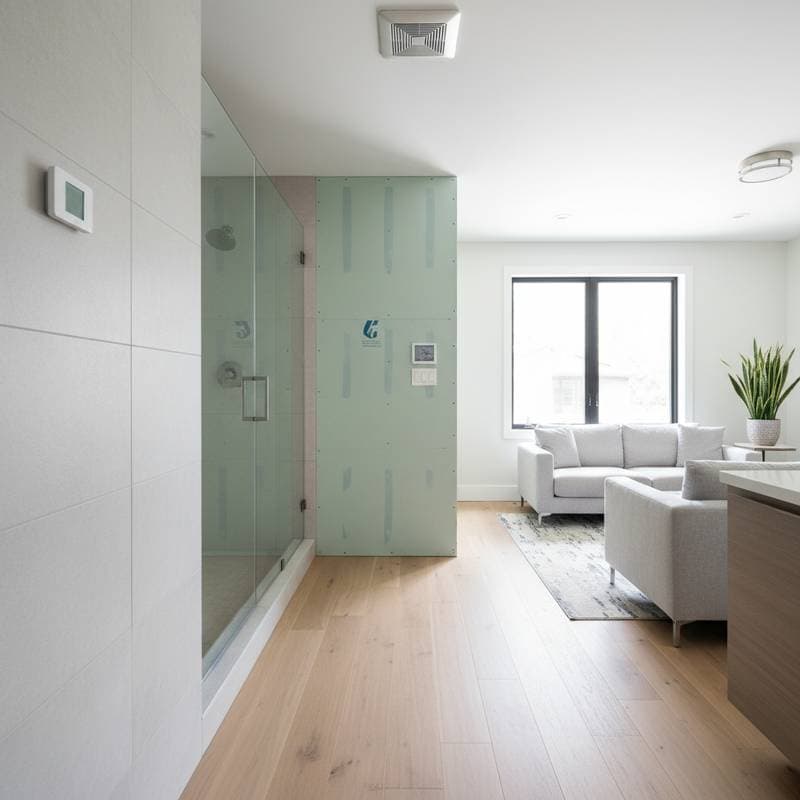
- Backer boards for tile installations: Opt for cement-based or fiber-cement varieties, which outperform traditional drywall in mold resistance.
- Waterproof liners for cabinet interiors: These shield under-sink compartments, common sites for leak initiation.
- Quartz or solid-surface countertops: These non-porous surfaces excel in durability for food preparation areas.
Design Enhancements
- Install under-cabinet lighting to illuminate and dry potential damp zones.
- Apply sealed grout to backsplashes and counter edges.
- Equip with vented range hoods to extract steam and grease particles that promote mold.
Kitchens featuring these integrations balance utility and visual appeal while mitigating health hazards.
Ventilation Strategies to Bolster Mold Resistance
Quick answer: Effective airflow expels moisture prior to accumulation, ensuring surfaces remain arid.
Superior materials prove insufficient without humidity dispersal. Ventilation serves as a critical, often overlooked component in mold deterrence. Mechanical and passive approaches collaborate to regulate humidity and temperature levels.
Key Systems to Consider
- Energy recovery ventilators (ERVs): These units swap indoor stale air with outdoor fresh air, while conserving humidity balance.
- Trickle vents in windows: They facilitate subtle, ongoing air circulation.
- Smart humidity sensors: Connect these to fans or HVAC setups for automated moisture oversight.
In combination with mold-resistant materials, such systems foster a salubrious indoor atmosphere that demands reduced cleaning and repair efforts.
FAQs
Will mold-resistant drywall eliminate all mold growth?
No. It inhibits surface mold on the drywall itself but does not address issues stemming from leaks or inadequate ventilation. Integrate comprehensive moisture controls for optimal results.
Does mold-resistant paint deliver reliable protection?
Yes. It prolongs the cleanliness of painted surfaces by suppressing spore adhesion. Apply it over dry, properly primed walls for maximum efficacy.
Can mold develop beneath vinyl flooring?
It can, should water infiltrate under the planks. Secure edge sealing and subfloor dryness prevent such occurrences.
What methods ensure a dry basement environment?
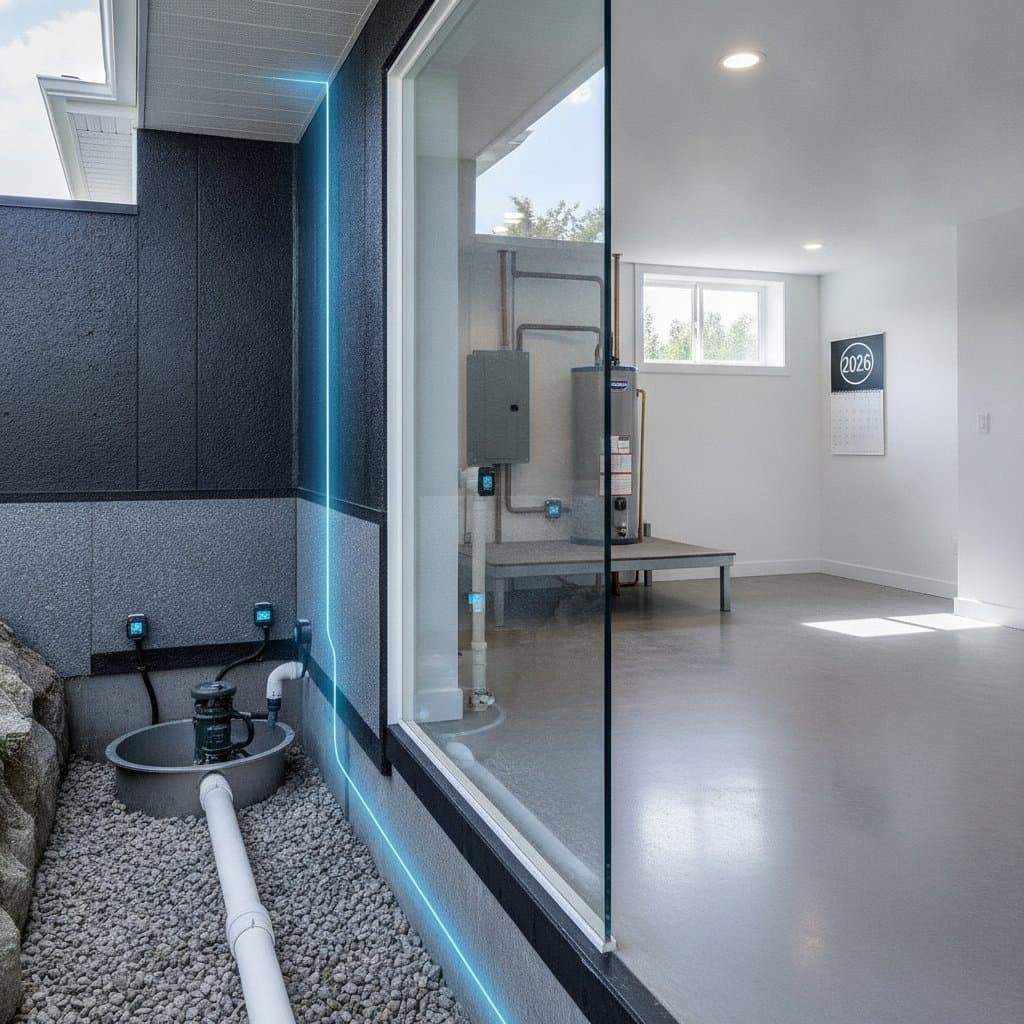
Employ dehumidifiers, install vapor barriers, and seal flooring surfaces. Inspect foundation fissures and window wells routinely for water ingress.
Do natural materials such as wood or bamboo resist mold effectively?
They can, with appropriate sealing and upkeep. Select finishes that create impermeable moisture shields and maintain humidity under fifty percent.
Implementing Mold-Resistant Renovations
Renovating with mold-resistant materials prioritizes enduring comfort over fleeting styles. A meticulously sealed bathroom, efficiently ventilated kitchen, or properly insulated basement averts the burdens of subsequent mold remediation.
Approach your renovation project comprehensively. Merge intelligent design principles, robust materials, and ongoing maintenance protocols. Simple modifications, such as adopting mold-resistant paint or installing a humidity monitor, yield significant improvements.
Homes engineered to resist mold exhibit greater resilience, enhanced freshness, and support for occupant health. These selections extend beyond surface protection; they secure everyday livability and tranquility.