2025 Mold Remediation Costs: Strategies for Prevention and Effective Removal
Homeowners often encounter mold during renovations or through subtle signs like persistent musty odors in basements. Initial attempts at surface cleaning may fail to address underlying issues, leading to extensive remediation needs. Understanding the factors that influence mold removal expenses enables informed decisions that minimize financial impact while ensuring thorough resolution.
Project Overview
Average Cost: $1,200–$7,000
Timeline: 1–3 weeks
Lifespan: Indefinite with proper moisture control
Best Season: Spring or fall
DIY Suitability: Limited to minor cases
Permits: Generally unnecessary unless structural elements require replacement
Detailed Cost Components: Materials, Labor, and Restoration
Professional mold remediation follows a structured process, with each phase contributing to the total expense. Costs depend on the infestation's severity and location within the property.
-
Inspection and Testing: $200–$600
Certified professionals employ moisture meters, thermal imaging, and air sampling to detect active mold growth and determine its species. This step confirms the presence of hazardous types, such as black mold, which demand specialized handling. -
Containment and Safety Measures: $300–$800
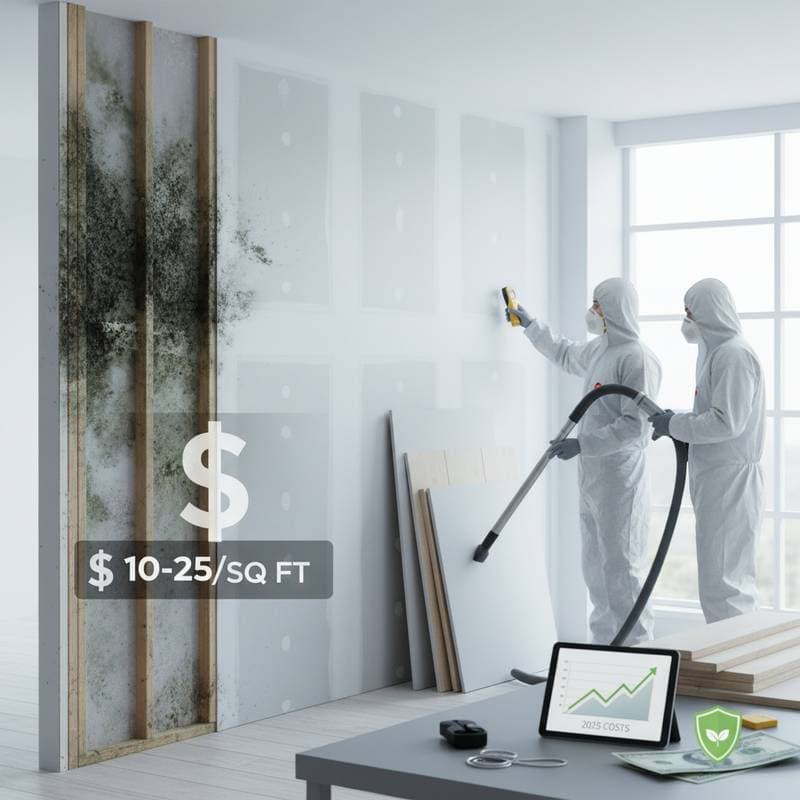
Teams install plastic barriers, negative pressure systems, and HEPA-filtered equipment to isolate the area and protect occupants from airborne spores during removal. -
Removal and Surface Treatment: $500–$4,000
Affected surfaces undergo scrubbing, HEPA vacuuming, or sanding, followed by application of EPA-approved antimicrobial agents to eliminate residual spores. -
Drying and Dehumidification: $300–$1,200
High-capacity air movers and commercial dehumidifiers operate continuously for days to reduce humidity below 50 percent and prevent regrowth. -
Repairs and Restoration: $500–$5,000
Damaged components, including drywall, insulation, or flooring, receive replacement with moisture-resistant alternatives to restore functionality and appearance.
Regional differences affect pricing. Humid areas in the Southeast experience elevated costs for drying equipment due to frequent demand. In arid regions, labor rates dominate as material needs decrease.
Optimal Timing: Acting Promptly to Minimize Delays
Schedule remediation during spring or fall when moderate humidity facilitates efficient drying and contractor availability remains high. Summer projects extend timelines as high ambient moisture hinders dehumidification efforts.
Common delays arise from postponed testing or overlooked concealed moisture in walls or ceilings. Immediate inspection upon suspicion prevents deeper penetration into structural elements. Advance material procurement, particularly for dehumidifiers during rainy seasons, ensures smooth progression; select contractors with in-house equipment for reliability.
Return on Investment: Safeguarding Value and Health
Mold remediation enhances property worth and occupant well-being, countering potential devaluation. Real estate professionals note that untreated mold can reduce resale prices by up to 30 percent, while certified clearance reports boost buyer trust.
Addressing moisture alongside removal yields 10 to 15 percent improvements in energy efficiency through better insulation and airflow. Retain all documentation, including invoices and test results, to support disclosures during property sales.
Budgeting Strategies and Location-Based Variations
Expenses fluctuate by geographic area due to labor and demand variations. Urban centers command premium rates from skilled technicians.
- Lower-Cost Areas (Midwest, Rural South): $10–$15 per square foot
- Mid-Range Areas (Northeast Suburbs): $15–$20 per square foot
- Higher-Cost Areas (West Coast, Major Cities): $20–$25 per square foot
Incorporate a 20 percent buffer in budgets to cover unforeseen damage revealed during demolition. Request itemized proposals delineating inspection, remediation, and repair costs for accurate vendor comparisons.
Executing the Remediation Process
Initiate action within days of detection to limit spread. Professional assessment proves essential, even for partial DIY approaches, to map the full extent.
Follow this sequence for controlled management:
- Arrange inspection by a certified mold assessor.
- Obtain quotes from at least two licensed remediation firms.
- Verify insurance coverage and detailed containment protocols.
- Resolve moisture origins, such as leaks or poor ventilation, prior to removal.
- Install mold-resistant substitutes during reconstruction.
- Conduct post-treatment air quality testing for verification.
Post-completion, monitor vulnerable zones like basements, bathrooms, and attics quarterly. Maintain indoor humidity under 50 percent with exhaust fans and dehumidifiers to sustain results.
Sustaining a Mold-Free Environment
Timely intervention transforms mold challenges into opportunities for enhanced home durability. Expert guidance ensures structural integrity, superior air quality, and preserved equity. Regular vigilance against moisture turns potential crises into routine maintenance, fostering long-term tranquility and financial security.