Fortifying Homes Against Flood Damage with Mold-Resistant Materials
Floodwaters infiltrate homes rapidly, compromising walls, floors, and insulation in mere hours. Lingering moisture fosters mold growth, which erodes structural integrity and escalates repair expenses. For residents in vulnerable areas or those recovering from past incidents, selecting mold-resistant materials represents a strategic choice to safeguard property, health, and finances over time.
These materials resist water absorption, inhibit spore proliferation, and facilitate swift drying. By integrating them into construction or renovations, homeowners create barriers that endure environmental stresses. The result is a residence that recovers efficiently from water events.
The Science Behind Mold-Resistant Building Practices
Mold thrives in damp environments, particularly on organic substrates such as paper-faced drywall, wooden studs, or fabric-covered floors. Mold-resistant alternatives disrupt this cycle by repelling moisture, lacking nutrient sources for fungi, and promoting ventilation. Builders achieve this through layered defenses: impermeable barriers, vapor-permeable coatings, and efficient water shedding systems.
Consider the home's exterior envelope as a unified system. Foundations prevent subsurface water entry, while walls and roofs direct precipitation away. Interior components, like flooring and ceilings, must allow moisture escape without trapping humidity. This holistic approach ensures comprehensive protection.
Key Materials for Walls and Drywall
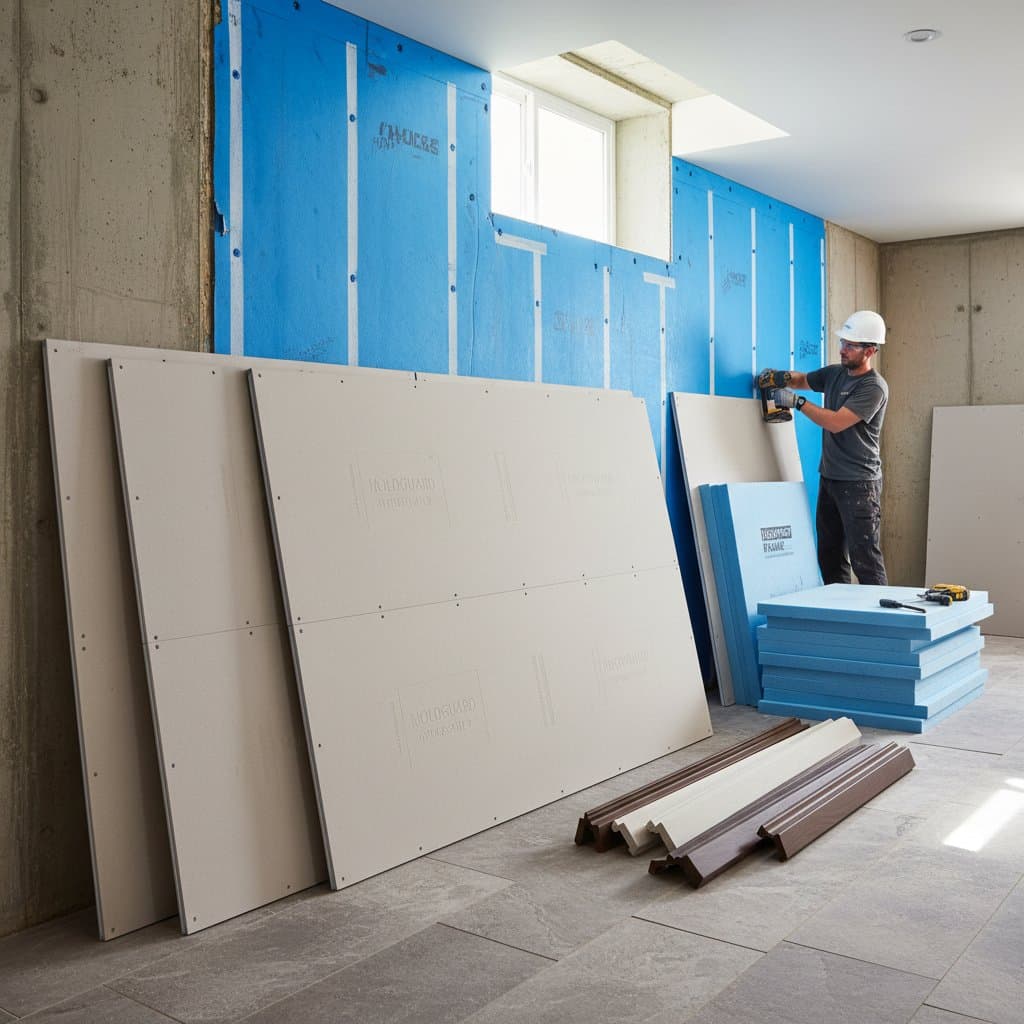
Standard gypsum drywall absorbs water easily, leading to sagging and mold. Opt for cement board or fiberglass-reinforced panels, which withstand saturation without degradation. These options install similarly to traditional drywall but require sealants at joints to block moisture paths.
For added durability, apply exterior-grade stucco or fiber cement panels on outer walls. These surfaces shed water effectively and resist cracking under wet conditions. Professionals recommend combining them with house wrap that breathes, allowing trapped vapor to exit while blocking liquid ingress.
Insulation Choices That Combat Moisture
Fiberglass batts hold water and provide ideal mold habitats. Switch to closed-cell spray foam, which expands to form a seamless, waterproof seal. This insulation also offers superior thermal performance, reducing energy costs in flood zones.
Rigid foam boards serve as an alternative for basements and crawl spaces. Install them with drainage channels to channel water away. Ensure proper vapor barriers beneath to prevent ground moisture from rising into living areas.
Flooring and Siding Solutions
Carpet traps moisture indefinitely; replace it with porcelain tile or sealed concrete, both of which dry quickly and resist mold. For wood-like aesthetics, use luxury vinyl planks engineered for water exposure, featuring click-lock systems that prevent subfloor wicking.
Exterior siding demands weatherproof materials like vinyl or metal panels over wood. These options prevent water penetration during storms and require minimal maintenance. Pair them with elevated decks or skirts in low-lying areas to divert floodwaters.
Factors Influencing Project Costs
Budgeting for mold-resistant upgrades involves multiple considerations. Homes in designated flood zones often necessitate elevated structures or floodwalls, potentially adding $15,000 to $25,000. Material selections further vary expenses: basic cement board costs around $1 per square foot, whereas premium spray foam reaches $3 per square foot.
Project scale plays a significant role. Retrofitting a 1,000-square-foot basement might total $10,000, including labor and permits. A complete home overhaul for a 2,000-square-foot property could surpass $50,000, depending on existing damage.
Local regulations add layers of complexity. Certain areas mandate elevated utilities or specific insulation types, increasing engineering fees. Factor in these requirements early to avoid surprises.
Practical Strategies to Optimize Expenses
Schedule installations during favorable weather to minimize disruptions and secure off-season pricing from contractors. Combine multiple upgrades, such as insulation and siding, into one project to cut travel and setup fees.
Select versatile finishes like epoxy-coated concrete floors, which endure floods without frequent replacements. Explore rebates from federal programs or insurance discounts for mitigation efforts, often covering 20% to 50% of costs.
Incorporate preventive devices, including backwater valves and high-capacity sump pumps, to manage water inflow. Pair these with whole-home dehumidifiers to maintain humidity below 50%, curbing mold risks proactively.
Realizing Long-Term Benefits and Returns
Investing in these materials yields substantial savings, slashing post-flood repairs by 50% to 70%. Structures dry within days rather than weeks, preserving air quality and avoiding health issues like respiratory problems. Appraisers note that resilient homes command premiums of 7% to 12% in resale value.
Energy efficiency improves as well, with better insulation lowering utility bills by up to 30%. Over a decade, these advantages compound, turning initial outlays into net gains.
Sustaining Protection Through Routine Care
Conduct biannual inspections of foundations, walls, and floors for cracks or discoloration. Clear gutters and downspouts seasonally to ensure proper drainage. Apply fresh sealants to expansion joints and penetrations every two to three years.
Monitor interior humidity with gauges and address elevations promptly. Professional assessments every five years verify system integrity, especially after major storms.
Building Resilience for Enduring Security
Water challenges persist, yet informed material selections transform vulnerabilities into strengths. Mold-resistant construction equips homes to weather floods, preserving structural soundness, occupant well-being, and economic stability. Embrace these practices to create a legacy of durability amid uncertain climates.