Flood-Proof Materials to Prevent Mold in Rebuilds
Rebuilding after a flood demands careful planning to avoid recurring issues like mold growth. Water damage can compromise structures quickly, leading to health risks and costly repairs. By selecting resilient materials, homeowners ensure lasting protection and maintain a safe living environment.
Project Snapshot
Average Cost: $22,000 to $45,000 for moderate rebuilds with flood-resistant materials
Timeline: 6 to 12 weeks
Lifespan: 25 to 50 years, based on material quality and maintenance
Best Season: Late spring or early fall to benefit from stable humidity
DIY Friendly: Partial, for non-structural tasks
Permits: Required for structural modifications, plumbing, and electrical work
Essential Material Choices for Flood-Prone Areas
Effective flood-proofing relies on materials that withstand water exposure while preserving structural integrity. Experts recommend options proven in high-risk zones, focusing on moisture resistance and ease of maintenance.
1. Cement Board as a Drywall Alternative
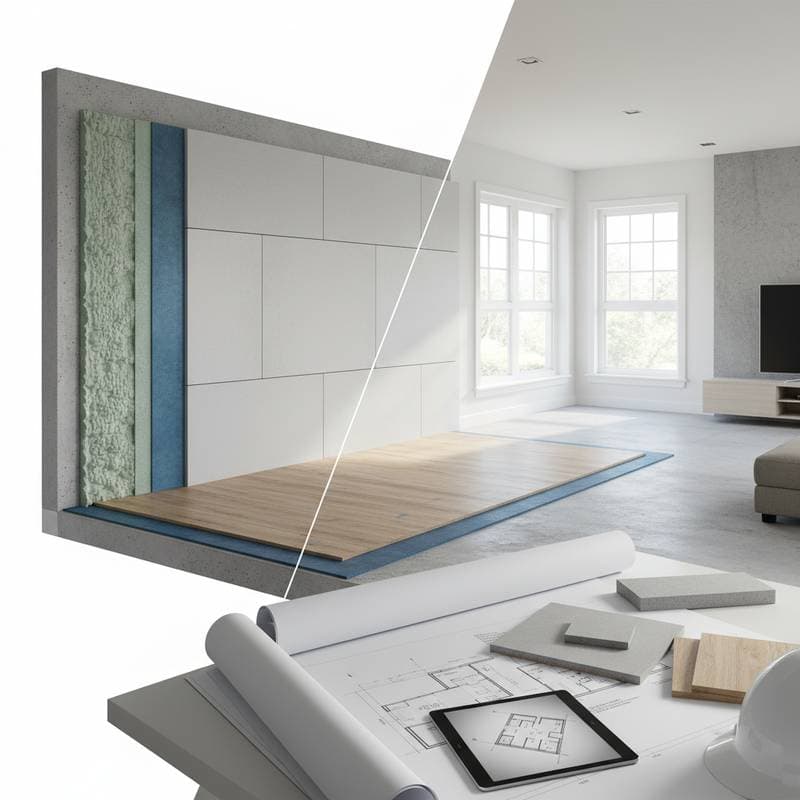
Traditional drywall absorbs water readily, fostering mold proliferation. Cement board offers a superior alternative due to its inorganic composition, which repels moisture and inhibits fungal growth.
- Material cost: $12 to $18 per sheet
- Labor: $2 to $4 per square foot
- Best use: Lower-level walls, basements, bathrooms, and laundry areas
- DIY level: Moderate, requiring basic cutting and fastening skills
Apply waterproof paint or install tiles over cement board for a seamless finish. This material has demonstrated reliability in preventing dampness in vulnerable spaces over extended periods.
2. Closed-Cell Spray Foam Insulation
Conventional fiberglass insulation retains moisture, creating ideal conditions for mold within walls. Closed-cell spray foam forms a robust barrier against air and water infiltration, while providing additional rigidity to the structure.
- Material cost: $1.25 to $2.50 per square foot
- Labor: Included in professional installation services
- Energy savings: Up to 20 percent reduction in heating and cooling expenses
- DIY level: Not recommended; requires certified professionals for safe handling of chemicals and equipment
Engage a licensed contractor to ensure proper application and ventilation. The investment yields noticeable improvements in energy efficiency and indoor comfort.
3. Durable Waterproof Flooring Solutions
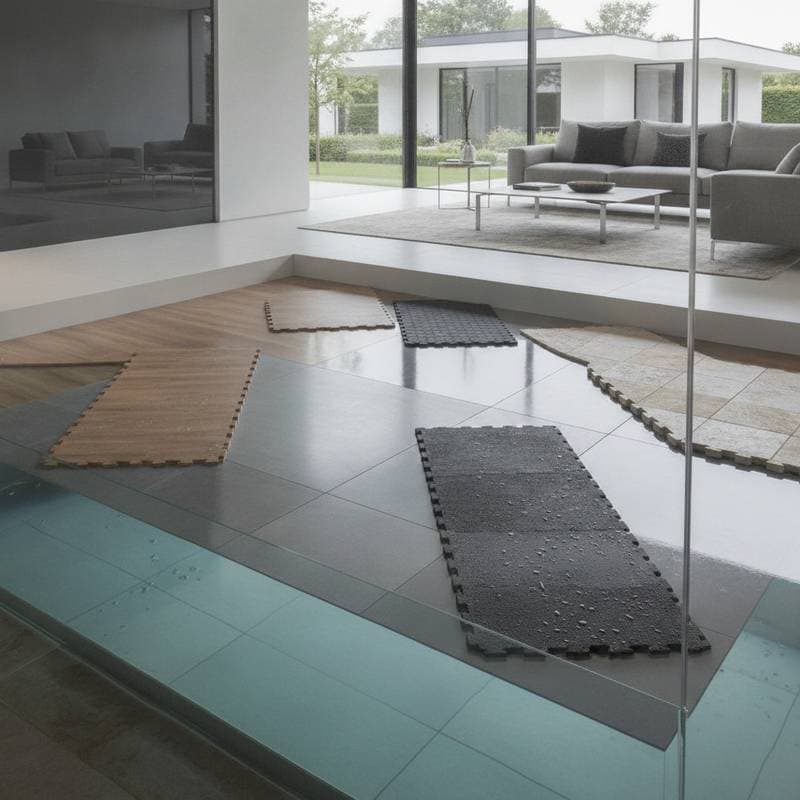
Standard flooring materials degrade rapidly under water exposure, leading to replacement needs. Opt for options designed to endure submersion without compromising appearance or function.
Recommended flood-resistant flooring:
- Luxury vinyl planks (LVP): $3 to $6 per square foot; mimics wood grain while remaining fully waterproof
- Ceramic or porcelain tile: $1.50 to $5 per square foot; suits high-moisture areas like basements and bathrooms
- Epoxy-coated concrete: $4 to $8 per square foot; delivers a seamless, hygienic surface resistant to mold
Steer clear of laminate, hardwood, or even engineered wood in flood-vulnerable locations, as these warp upon saturation. Vinyl plank flooring, for example, maintains its condition effectively after incidental water contact.
4. Resilient Metal or PVC Trim and Baseboards
Wooden trim and baseboards swell and harbor mold when exposed to humidity. Metal or PVC versions provide durable substitutes that install efficiently and resist environmental changes.
- Material cost: $1 to $2 per linear foot
- Labor: $3 to $5 per linear foot for professional installation
- DIY level: High, with straightforward cutting and securing methods
These materials facilitate simple cleaning and accept paint finishes to blend with interior designs.
5. Protective Mold-Resistant Paints and Coatings
Surfaces require finishes that actively combat mold development. Mold-resistant acrylic paints and elastomeric coatings incorporate fungicides to deter spore adhesion and growth.
- Material cost: $40 to $80 per gallon
- Coverage: Approximately 350 square feet per gallon
- DIY level: High, involving standard priming and application techniques
Apply these products in moisture-prone rooms to enhance surface durability and simplify post-incident cleanup.
Balancing DIY Efforts with Professional Expertise
Rebuild projects involve assessing personal capabilities against safety and regulatory demands. Certain tasks suit independent efforts, while others necessitate specialized knowledge.
Suitable for DIY:
- Applying mold-resistant paints and coatings
- Laying vinyl plank flooring
- Installing trim or baseboards
Require professional services:
- Installing spray foam insulation
- Rewiring electrical systems post-flood
- Addressing structural repairs or foundation waterproofing
Professionals guarantee adherence to building codes and preserve manufacturer warranties. Substandard work, particularly with insulation, risks ongoing moisture problems and increased expenses.
Strategies to Control Moisture During and After Rebuilding
Superior materials alone do not suffice; proactive moisture control prevents mold establishment throughout the process.
- Deploy dehumidifiers on-site to maintain indoor humidity at 40 to 50 percent.
- Apply waterproof caulk to seal joints around baseboards, windows, and doors.
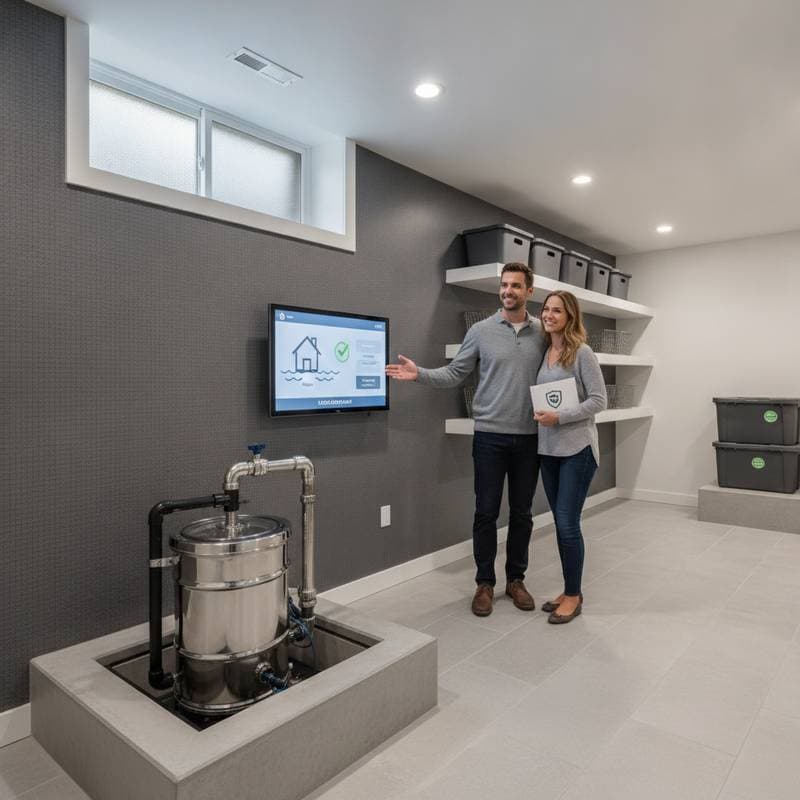
- Incorporate vapor barriers beneath flooring or along basement walls.
- Inspect and clean HVAC filters and ducts to eliminate flood-related contaminants.
- Ensure proper outdoor grading so soil directs water away from the foundation.
Implementing these measures effectively averts moisture buildup, even during subsequent heavy rains.
Sustaining Long-Term Protection
Completed rebuilds benefit from routine oversight to preserve material performance.
Maintenance Checklist:
- Examine seals and caulking biannually for wear.
- Refresh mold-resistant paint applications every 5 to 7 years.
- Clear gutters and downspouts regularly to manage runoff.
- Operate dehumidifiers in basements or crawl spaces as needed.
- Watch for signs of condensation on windows or walls.
Prioritizing Upgrades for Lasting Resilience
Approach flood-proof rebuilding methodically, targeting high-risk zones first. Begin with insulation, walls, and flooring to build a solid foundation against future threats.
Homeowners who invest in these strategies avoid the cycle of repeated damage and remediation. Resilient choices deliver financial savings and reliable shelter for years ahead.