Why 2025 Homebuyers Must Prioritize Mold Inspections Before Closing
The journey to homeownership brings joy through property searches and personalization dreams. However, hidden mold emerges as a common post-closing hazard that disrupts this excitement. Buyers benefit from understanding mold inspection processes, their importance, and response strategies to issues found. Such inspections extend beyond visible signs to safeguard health, financial stability, and overall comfort in the new residence.
Mold thrives in concealed, moist environments like wall cavities or under flooring. Early detection prevents costly repairs and health complications such as respiratory irritation or allergic reactions. Integrating a mold check into the pre-closing phase equips buyers with data for informed decisions and potential seller concessions.
Key Components of a Comprehensive Mold Inspection
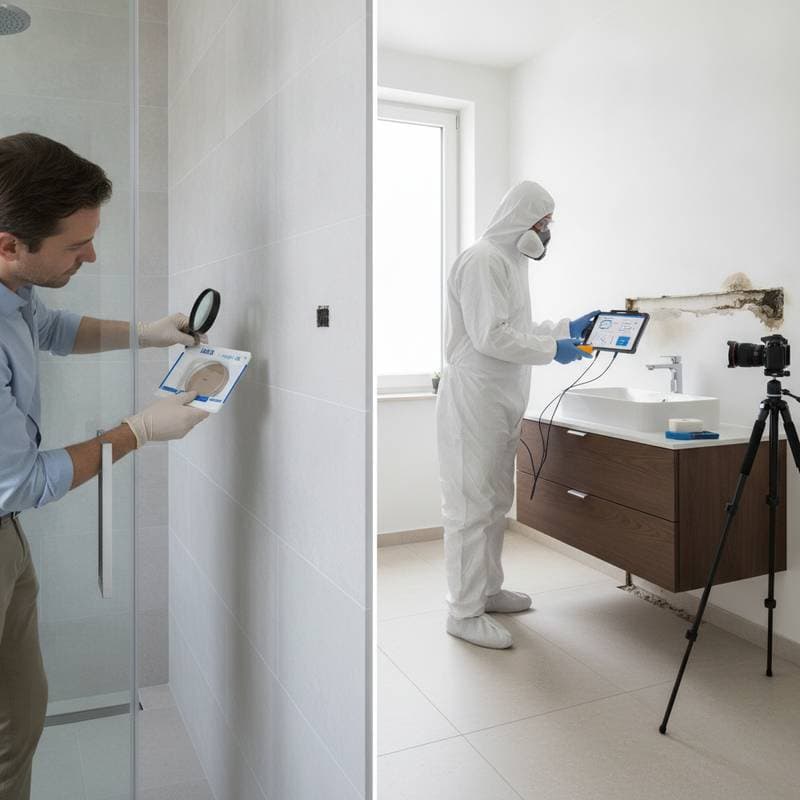
Schedule a full mold assessment as part of the standard home inspection prior to purchase completion. General inspectors may perform basic scans, but certified mold experts deliver in-depth evaluations. The following outline the primary procedures in a thorough inspection:
- Visual Assessment: Inspectors scan for signs including dark spots, bubbling paint, distorted materials, or persistent earthy smells indicating potential growth.
- Moisture Detection: Specialized meters gauge humidity in structural elements like drywall, attic spaces, and subfloors to identify conditions ripe for mold development.
- Air Quality Sampling: Devices collect airborne particles to measure spore concentrations, revealing invisible contamination levels.
- Surface Sampling: Technicians apply swab tests or adhesive strips to questionable areas, analyzing samples in labs to identify mold species and extent.
- HVAC System Review: Examination of heating, ventilation, and air conditioning components ensures no spore proliferation through ducts or filters.
These methods collectively assess current problems and future risks, providing a clear picture of the property's indoor environment.
Evaluating DIY Mold Checks Against Professional Services
Prospective buyers often consider self-inspections to save time or costs. Basic observations and over-the-counter kits offer initial insights, yet they fall short of expert precision. Consider these distinctions:
- DIY Approaches: Spot obvious indicators like water marks or odors; kits detect spore presence but struggle with source location or contamination scale.
- Professional Evaluations: Deliver lab-verified results, comprehensive documentation, and actionable insights for purchase negotiations or required fixes.
Opt for professionals especially in homes over 20 years old, those with past flooding, or locations with high annual rainfall exceeding 40 inches. Their expertise minimizes false negatives and supports legal protections during transactions.
Indicators That Demand Professional Mold Remediation
Homeowners tackling minor fixes find value in self-reliance, but mold demands specialized intervention for safety and effectiveness. Certified teams employ respirators, HEPA vacuums, and sealed barriers to contain particles during removal. Post-treatment verification ensures complete eradication.
Engage experts under these circumstances:
- Contamination spans more than 10 square feet, requiring advanced containment.
- Growth infiltrates air ducts, crawl spaces, or porous insulation materials.
- Household members experience symptoms like coughing, skin rashes, or worsened respiratory conditions.
- Underlying leaks from roofs, plumbing, or foundations remain unresolved.
Remediators address not only the visible mold but also root causes, such as installing vapor barriers or improving drainage, to prevent recurrence.
Strategies for Sustained Mold Prevention in Your New Home
Proactive measures prove more efficient than reactive cleanups. New owners establish routines to maintain optimal indoor conditions from day one.
- Humidity Management: Install dehumidifiers in prone areas like laundry rooms or below-grade spaces; target 30 to 50 percent relative humidity year-round.
- Prompt Leak Repairs: Inspect and seal faucets, pipes, and appliances monthly; address roof or window issues within 48 hours of discovery.
- Effective Ventilation: Operate bathroom and kitchen fans for 20 minutes post-use; consider whole-home systems in climates with summer humidity above 60 percent.
- Routine Cleaning Protocols: Dry shower walls after use, vacuum carpets weekly, and inspect behind appliances for moisture buildup.
- Exterior Maintenance: Clean gutters biannually and grade soil to slope away from the house, directing water at least five feet from the foundation.
Consistent application of these practices fosters a resilient, mold-resistant home environment.
Steps to Integrate Mold Protection into Your Purchase Process
Incorporating mold safeguards early strengthens your buying position. Request a dedicated inspection clause in the contract to allow review without penalty. Upon receiving the report, analyze findings for severity: minor issues might warrant seller-funded treatments, while extensive problems could justify price adjustments or walking away.
After closing, document all remediation efforts and monitor high-risk zones quarterly. This vigilance builds long-term confidence in property management. Homeownership rewards those who address maintenance methodically, turning potential pitfalls into secured assets.