Key Takeaways
- Mold clauses in insurance policies and renovation contracts frequently restrict or exclude coverage, forcing homeowners to cover remediation expenses out of pocket.
- Bathrooms present heightened mold risks due to constant moisture exposure, concealed leaks, and poor ventilation, which demolition often uncovers.
- Proactive measures, such as policy reviews, professional inspections, and the use of specialized materials, enable homeowners to mitigate financial surprises and maintain project timelines.
- Early planning not only preserves budgets but also ensures compliance with building standards and enhances long-term home durability.
Understanding Mold Clauses in Renovation Contexts
A mold clause refers to specific provisions within a homeowner's insurance policy, a builder's warranty, or a renovation contract that outline financial responsibility for mold-related issues. These clauses typically limit coverage to minimal amounts, such as $1,000 to $5,000, or exclude mold entirely unless it results from a covered peril like a sudden pipe burst. In practice, this means that gradual moisture buildup from everyday bathroom use often falls outside protection.
Such clauses appear in various documents. Insurance policies might label them as "fungi exclusions" or "limited mold coverage," while construction contracts could shift remediation duties to the homeowner. The true challenge arises when mold remediation costs exceed $10,000, a common figure for widespread growth in confined spaces like bathrooms. Even minor incidents, such as a slow drip from a faucet, can trigger spore proliferation over time, complicating claims.
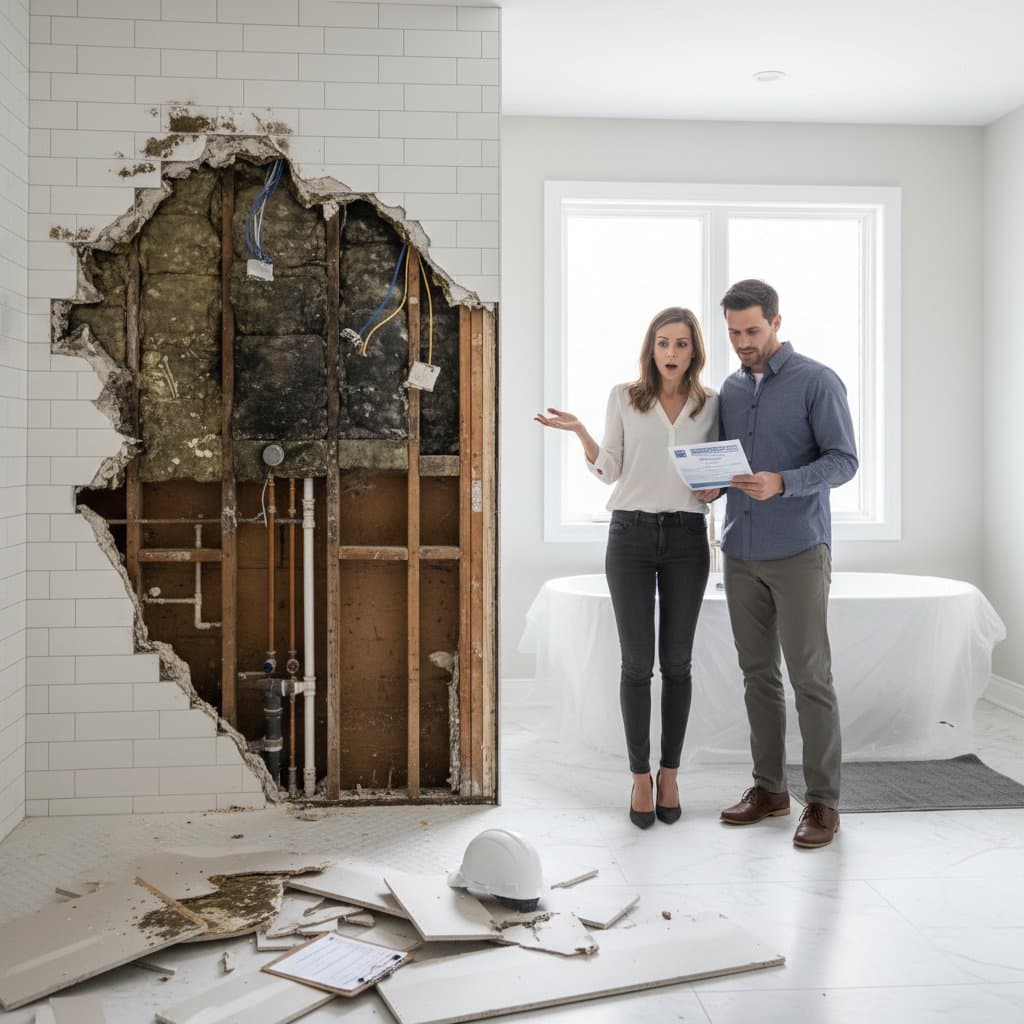
During bathroom renovations, these clauses gain urgency. As crews remove tiles or cut into walls, hidden mold emerges, requiring immediate halt to work. Certified remediation teams must then intervene, using techniques like HEPA vacuuming and antimicrobial treatments, before reconstruction resumes. Without adequate coverage, this process can extend timelines by weeks and double initial budgets.
The Unique Mold Vulnerabilities of Bathroom Environments
Bathrooms foster mold growth through a combination of persistent humidity, frequent water contact, and enclosed spaces that trap warmth. Average household humidity levels of 50 to 60 percent, combined with daily showers, create conditions where spores thrive within 24 to 48 hours of moisture exposure. Luxury features, including large soaking tubs, multiple showerheads, or sauna integrations, amplify these risks by increasing steam production and surface condensation.
Several factors contribute to this vulnerability:
-
Insufficient Ventilation Systems. Standard fans that recirculate air indoors fail to expel moisture effectively, allowing it to settle on ceilings and walls. Industry guidelines recommend fans rated at least 50 cubic feet per minute for bathrooms under 100 square feet.
-
Undetected Plumbing Leaks. Corrosion in pipes or loose fittings behind vanities often goes unnoticed, seeping water into substructures. Renovation phases reveal these issues, but by then, mold may have infiltrated insulation or wooden framing.
-
Degraded Sealants and Joints. Over time, grout lines crack and caulk hardens, permitting water intrusion. In older homes built before 1980, original installations may lack modern silicone barriers, exacerbating seepage.
-
Inadequate Waterproofing Layers. Not all bathrooms feature pan liners or shower membranes; without them, water migrates to drywall, promoting black mold varieties like Stachybotrys, which pose health concerns.
These elements explain why bathrooms account for nearly 40 percent of residential mold claims. Demolition during remodels acts as a revealer, turning a routine upgrade into a costly detour if mold clauses apply.
Strategies to Secure Your Bathroom Renovation Finances
Homeowners hold the power to minimize mold-related disruptions through targeted preparations. Implementing these steps integrates seamlessly into planning phases, balancing cost with comprehensive protection.
Conduct a Thorough Policy Assessment
Start by obtaining a detailed breakdown of your insurance coverage from your provider. Scrutinize sections addressing "mold," "fungi," or "water damage exclusions." If limits seem insufficient, inquire about adding a rider for enhanced mold protection, which might increase premiums by 10 to 20 percent but covers up to $25,000 in remediation. Document all communications in writing to support future claims.
Schedule Pre-Renovation Moisture Evaluations
Engage a certified inspector equipped with infrared thermography or moisture probes to assess hidden areas before any demolition occurs. This scan identifies elevated humidity pockets or damp spots in walls and floors, costing $300 to $600 but potentially saving thousands. Address findings promptly, such as by drying out affected zones with dehumidifiers, to avoid project delays.
Select Durable, Mold-Resistant Building Products
Opt for materials engineered for wet environments, including greenboard drywall treated with antimicrobial agents, fiber cement underlayment instead of plywood, and liquid-applied waterproofing membranes. These choices add 5 to 15 percent to material expenses yet reduce long-term mold probability by sealing surfaces against penetration. Consult suppliers for products certified under standards like ASTM for moisture resistance.
Enhance Airflow and Humidity Controls
Install exhaust fans with external venting that activate via humidity sensors, maintaining levels below 50 percent. For optimal performance, position intake near water sources and ensure ducting leads directly outside, avoiding attic recirculation. Supplemental options, like whole-room dehumidifiers, prove beneficial in windowless bathrooms.
Establish Ongoing Sealing and Inspection Protocols
Post-installation, apply fresh silicone caulk around fixtures and regrout tiles every 12 to 18 months using mold-inhibiting formulas. Perform quarterly checks for leaks by running water and observing for drips or discoloration. These habits extend the lifespan of finishes and preempt mold recurrence, aligning with manufacturer warranties.
Frequently Asked Questions
Does a standard homeowner's policy cover mold discovered during a remodel?
Standard policies often provide limited coverage only for mold stemming from sudden events, like appliance failures. For renovation-specific discoveries, an additional endorsement proves essential to bridge gaps in protection.
What responsibilities does a contractor have upon finding mold?
Contractors typically pause operations and notify the homeowner, adhering to protocols that require professional remediation. Contracts should specify this division of labor to prevent disputes, with the owner bearing costs unless negligence is proven.
How effective are preventive measures in eliminating mold risks?
While absolute elimination remains challenging due to inherent bathroom conditions, combining ventilation upgrades, resistant materials, and regular maintenance slashes risks by up to 80 percent. Focus on design that prioritizes airflow and sealing for sustained results.
Securing Lasting Value in Your Remodel
By addressing mold clauses head-on, homeowners transform potential pitfalls into fortified investments. These preparations not only avert financial strain but also yield healthier, more resilient spaces. Approach your bathroom renovation with this foresight, and enjoy enduring functionality without the shadow of unforeseen expenses.