Flood-Proof Floors Cut Insurance Costs in 2026
Explore 2026 flood proof flooring choices that safeguard homes and reduce insurance expenses. Compare materials, costs, and maintenance steps for resilient results.

Protect your home and your wallet with flood-resistant flooring that withstands water damage and lowers insurance premiums. From vinyl and tile to sealed concrete and epoxy, these durable options reduce risk, add value, and offer peace of mind.
Explore our collection of flood related content
Explore 2026 flood proof flooring choices that safeguard homes and reduce insurance expenses. Compare materials, costs, and maintenance steps for resilient results.
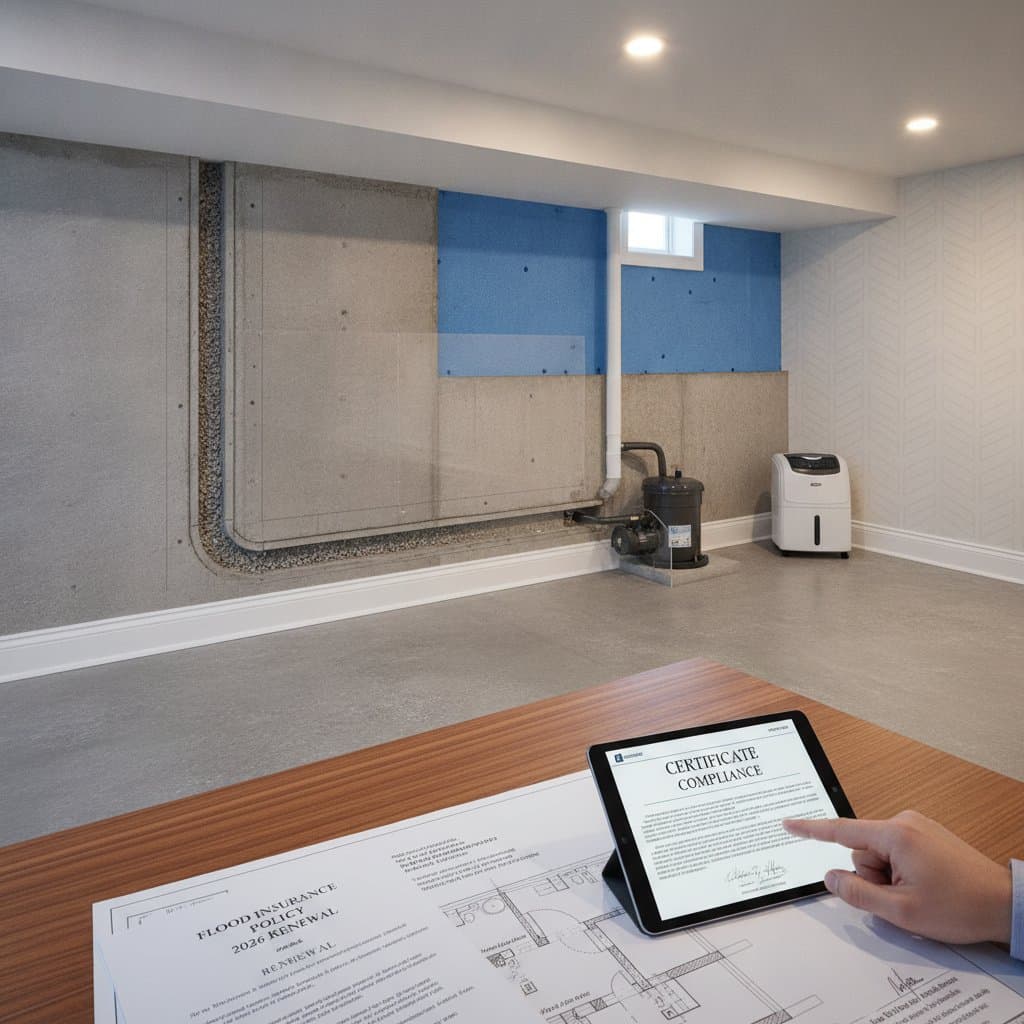
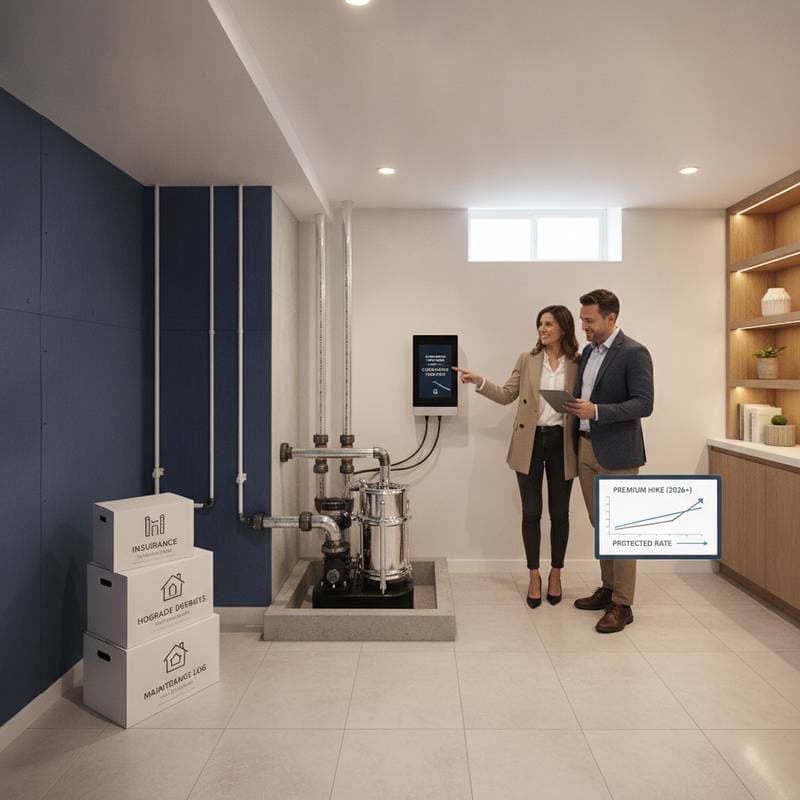
New 2026 insurance rules require documented basement flood protection. This guide details maintenance tasks, professional thresholds, compliance records, and habits that reduce risk and support lower premiums.
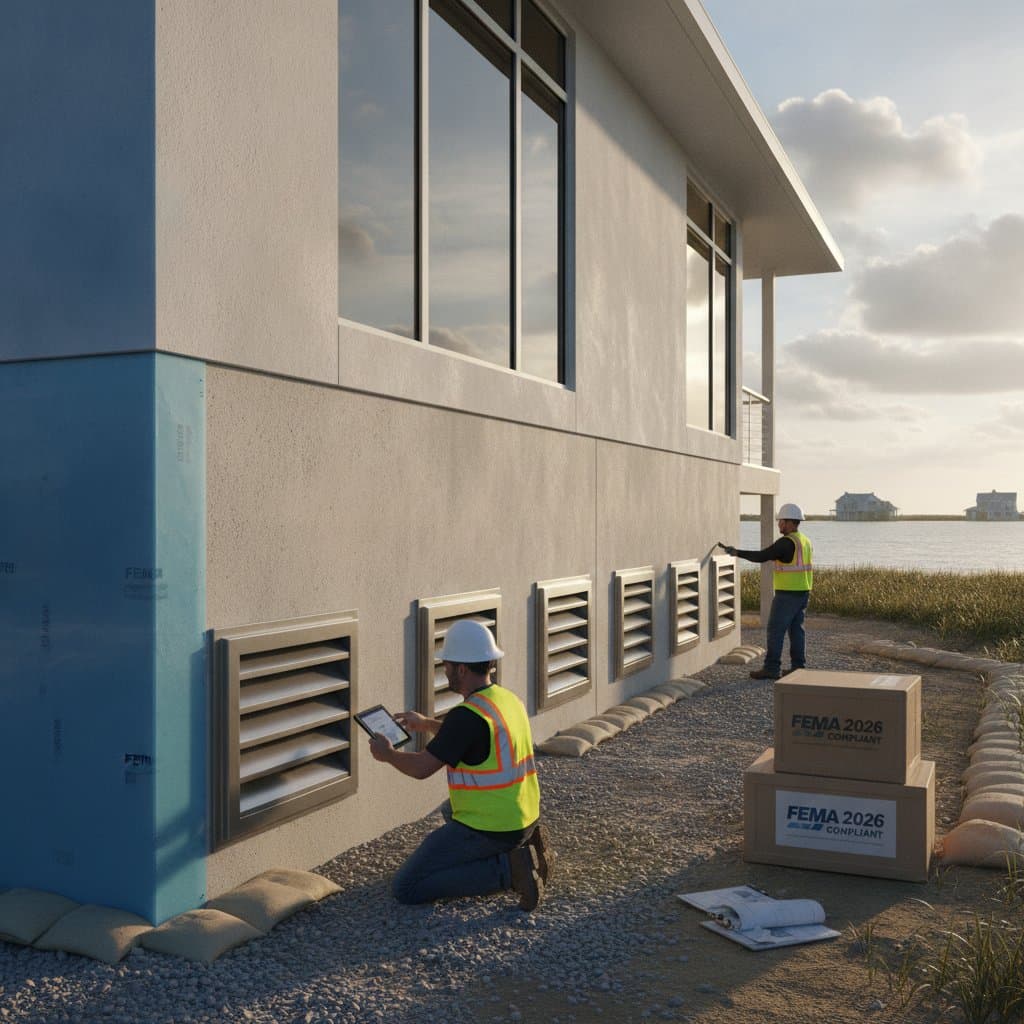
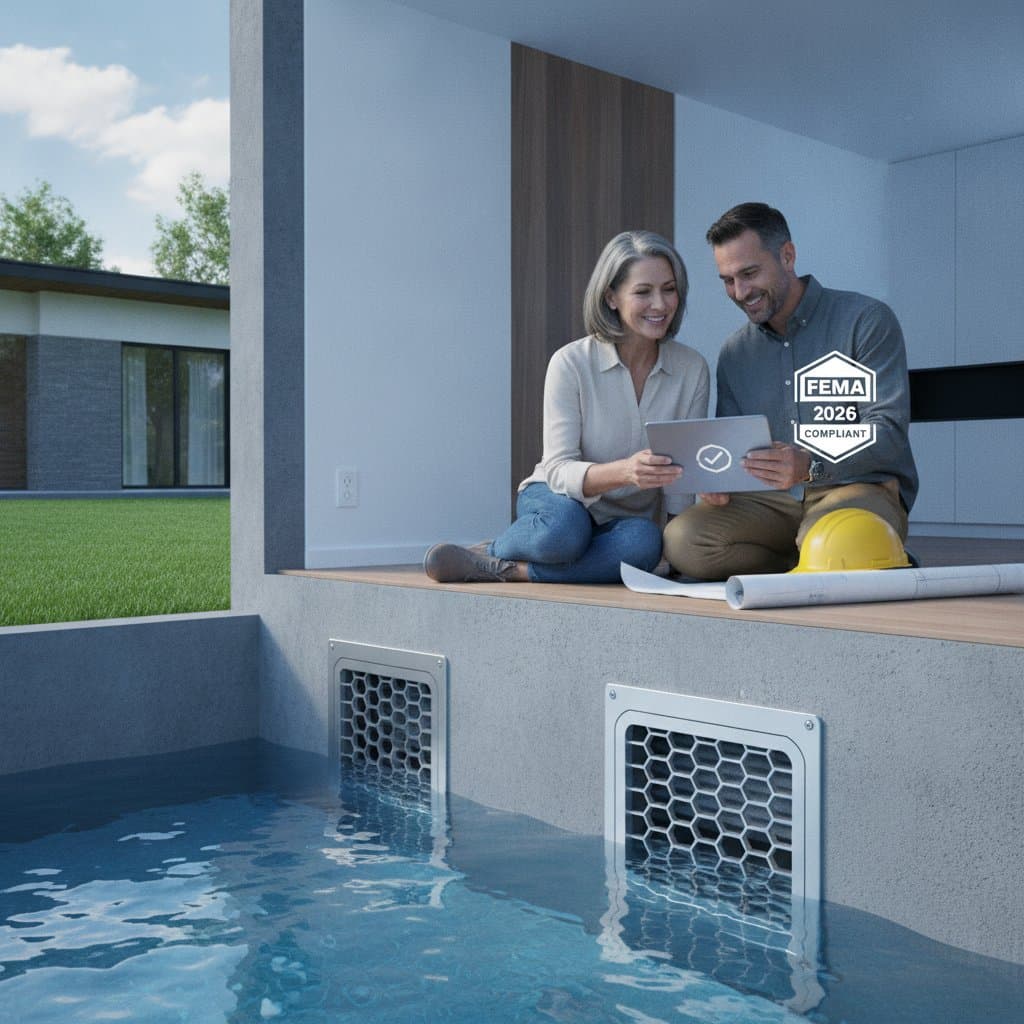
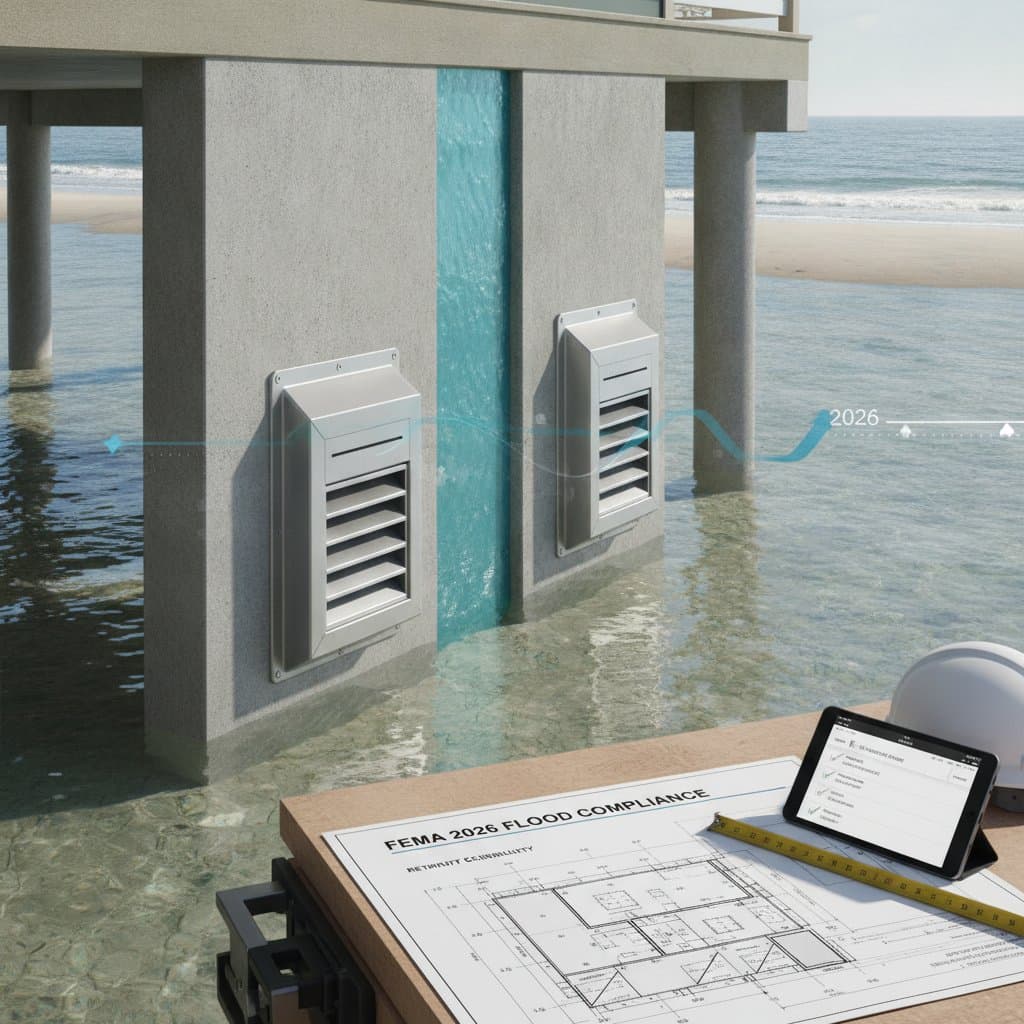
FEMA 2026 flood vent rules introduce stricter certification, labeling, and installation requirements that influence insurance rates and property transactions. This guide covers compliant vent features, real costs, and maintenance practices that protect foundations and support long-term savings.
Flood proof flooring installed in 2026 protects homes from water damage, supports lower insurance premiums, and improves resale value. This guide covers material options, installation decisions, scheduling, compliance steps, and maintenance routines.
FEMA 2026 updates shift flood vent and wet proofing standards toward verified performance. Homeowners and builders face stricter certification, sizing, and documentation rules that improve resilience and insurance outcomes.
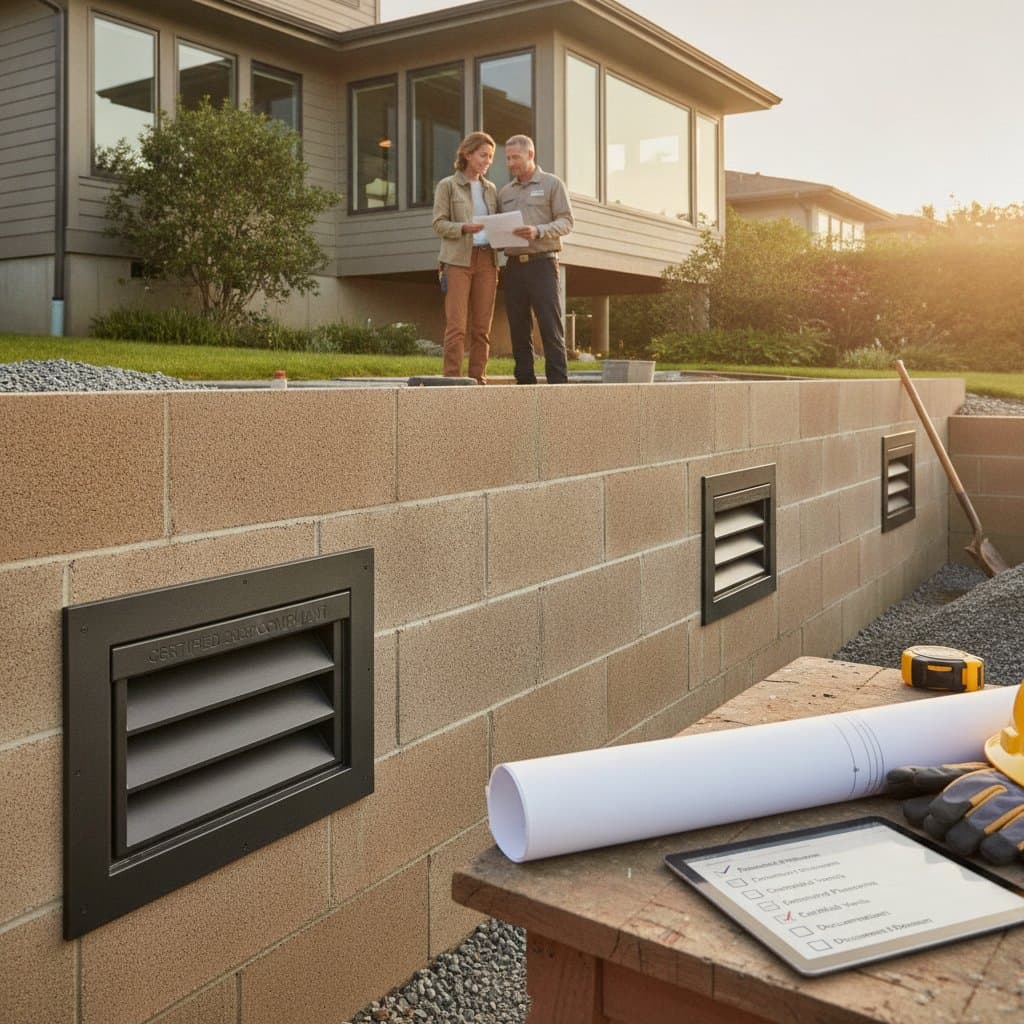
FEMA 2026 updates require certified flood vents, stricter documentation, and durable wet proofing materials. Homeowners and builders must verify compliance, improve drainage, and maintain records to boost safety and property value.
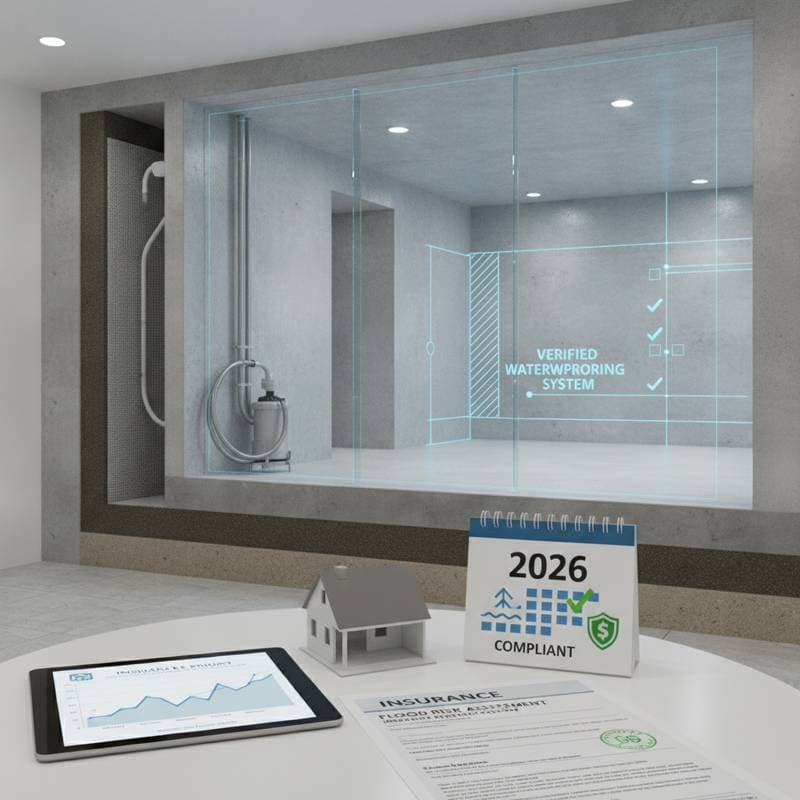
Starting in 2026, homeowners must prove their basements are flood-proof to maintain insurance coverage. New rules aim to reduce costly water damage claims, pushing property owners to invest in waterproofing systems. Learn what qualifies as flood-resistant, expected costs, professional requirements, and how compliance can protect your home and premiums.
New 2026 insurance rules require documented prevention measures for basement flood coverage. Homeowners who complete inspections, waterproofing, and maintenance gain safer properties and potential premium reductions.
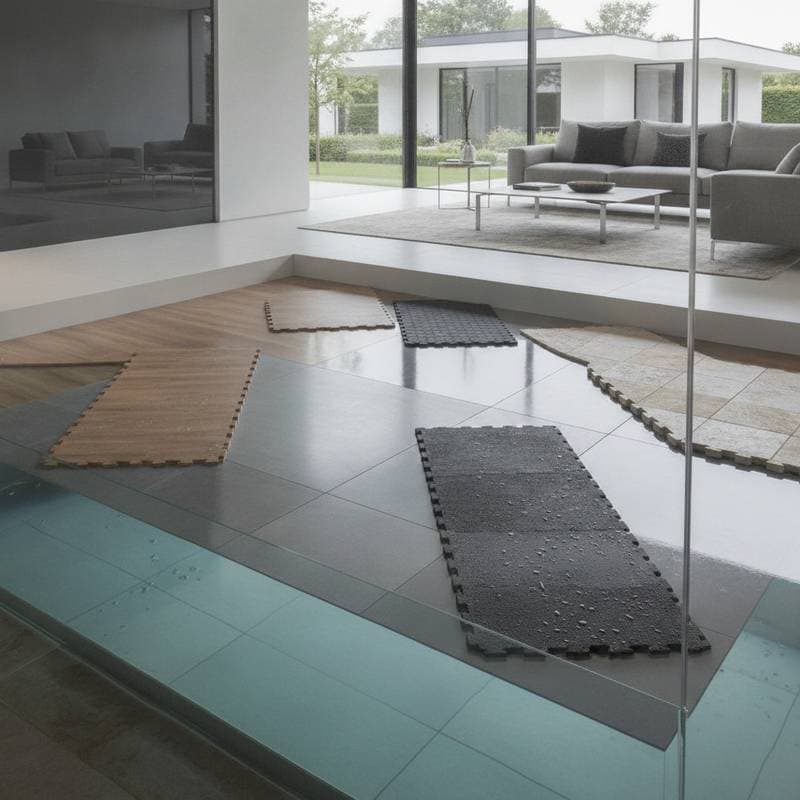
Insurance-approved flood-proof flooring combines durability and style. These materials withstand water exposure, simplify cleanup, and support faster insurance recovery in high-risk areas.
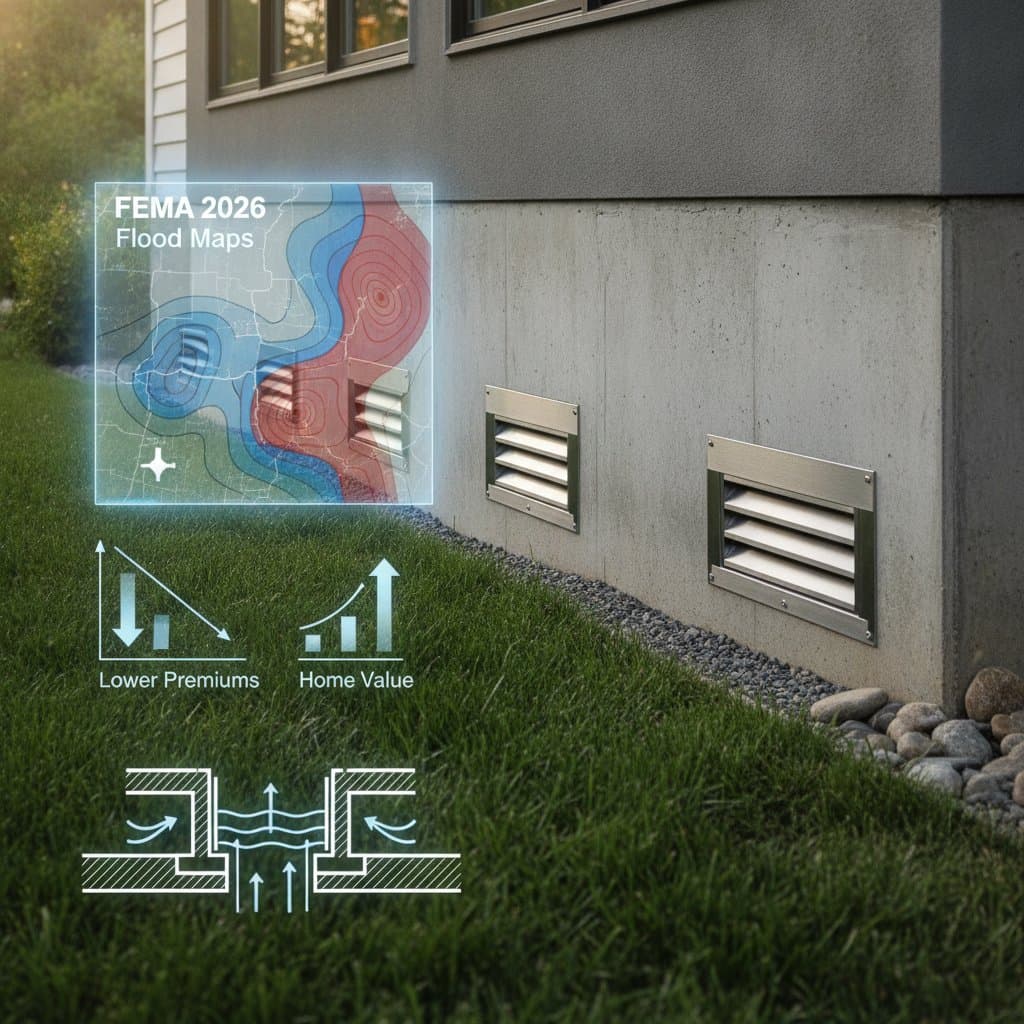
FEMA 2026 flood zone changes could increase insurance requirements and repair risks. This guide outlines waterproofing options, cost factors, and maintenance practices that help homeowners act before new maps take effect.
Insurance approved flood proof flooring protects homes from water damage while supporting design goals. Explore compliant materials, certified installation practices, and maintenance routines that preserve coverage and add lasting value.
Effective January 2026, homes in flood zones must feature compliant flood vents and wet-proofing for mortgage approval. This guide explains identification, installation options, maintenance tips, and cost-saving strategies to enhance property resilience and meet lending criteria.
Reconstruct post-flood with mold-resistant materials to secure structural integrity, promote healthy air, and boost property value. Explore drywall innovations, sealed insulations, resilient floors, plus costs, regulations, and pro tips for a fortified, moisture-repellent living space.
Learn about 2026 flood-proof flooring innovations that shield homes from water damage and lower insurance costs. Options like luxury vinyl plank, ceramic tile, sealed concrete, and engineered stone provide durability, cost savings, and reliability. Gain insights on installation, return on investment, and strategies approved by insurers for resilient upgrades.
FEMA's 2026 floodplain management revisions introduce stricter requirements for engineered flood vents and effective wet-proofing to bolster home protection against flooding. These measures enhance structural integrity, cut down on repair expenses, and could lead to insurance savings. Property owners in high-risk areas must evaluate their setups promptly to maintain value, prioritize safety, and sidestep expensive modifications down the line.
Waterproofing serves as both a shield and a smart investment. It prevents water damage that erodes foundations, cuts repair costs, and elevates resale value in the 2026 market. Options range from interior sealants to comprehensive drainage systems, all contributing to improved comfort, efficiency, and equity.
FEMA's 2026 flood vent regulations elevate renovation costs to $1,800-$6,500 per home while enhancing flood protection. Compliance influences insurance premiums, property values, and structural safety. Discover professional guidance, installation options, and documentation essentials for cost-effective resilience.
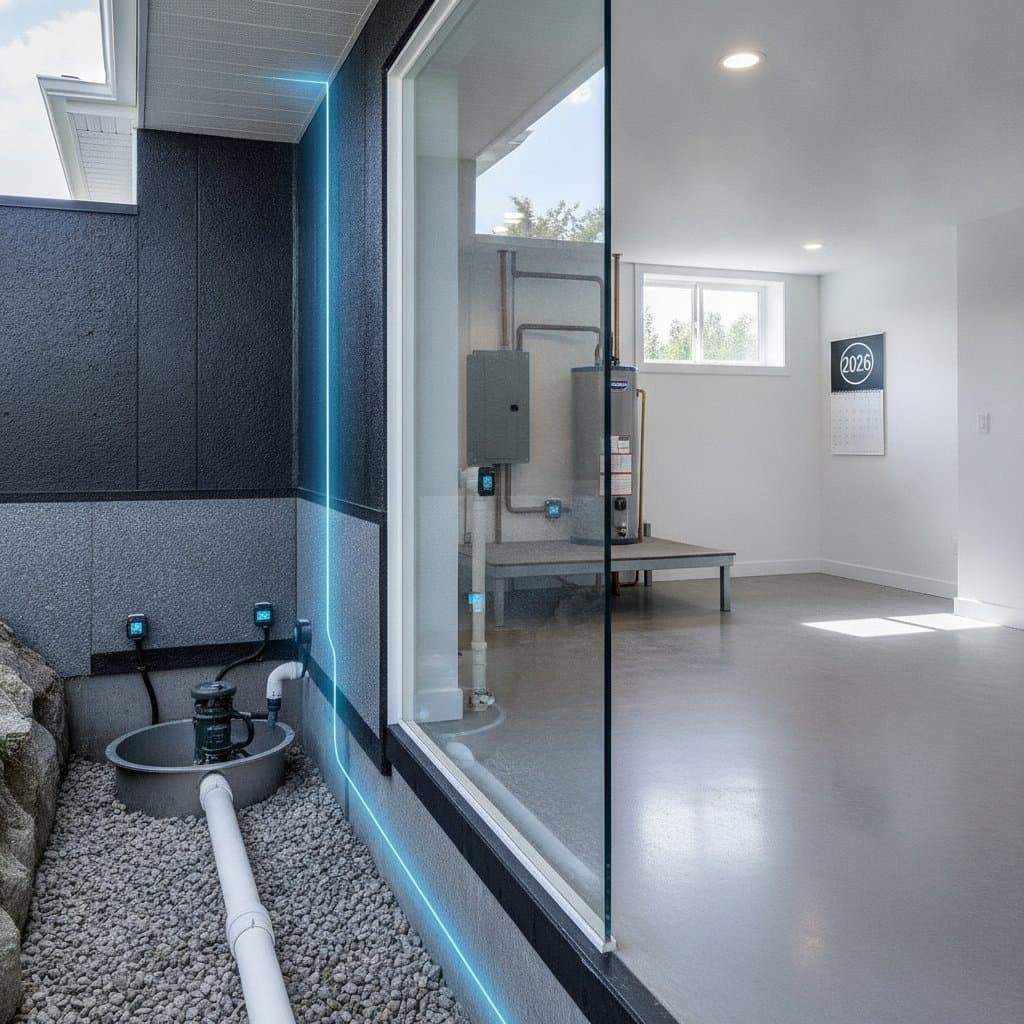
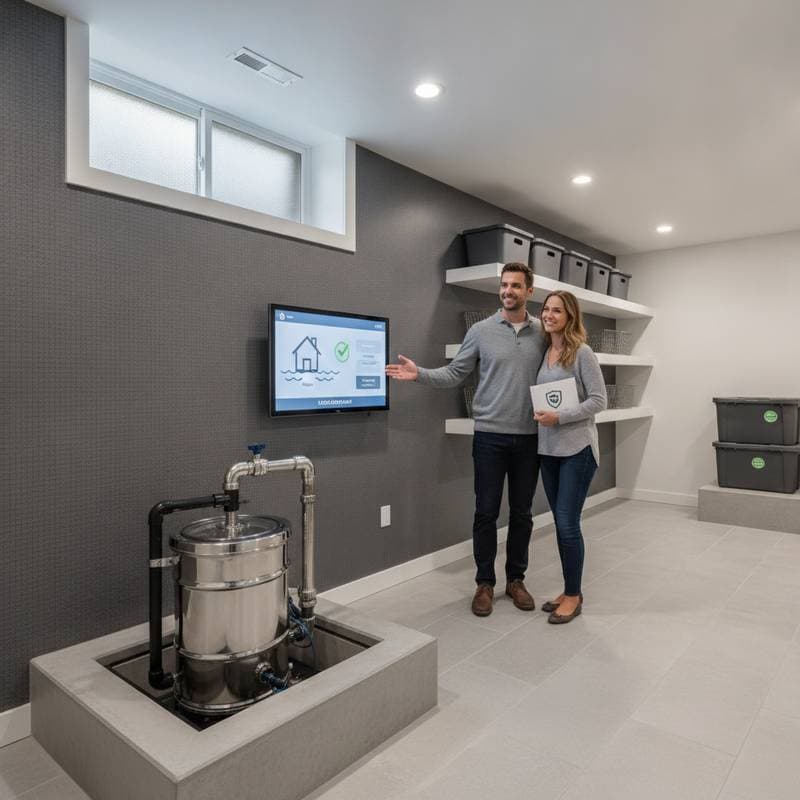
The 2026 flood-proofing regulations introduce stricter standards for basements, emphasizing comprehensive waterproofing through drainage, sump pumps, and monitoring systems. Homeowners benefit from documenting installations, selecting durable materials, and performing routine upkeep. Compliance enhances protection against damage, increases property worth, and ensures reliable insurance support.
Safeguard your home and budget from increasing flood threats using 2026 Resilience Loans. These government-supported, low-interest options cover key modifications such as waterproofing, improved drainage, and elevated utilities. Understand qualification requirements, potential savings of up to 70 percent on repairs, increased property value, and strategies for enduring protection from harsh weather events.