FEMA's 2026 Flood Vent Mandates: Safeguarding Your Home
Homeowners in flood-prone regions face evolving regulations that prioritize resilience against water damage. The Federal Emergency Management Agency (FEMA) introduces stricter requirements for flood vents effective in 2026, targeting properties in Special Flood Hazard Areas. These vents serve as critical components in flood mitigation strategies, allowing water to flow through enclosed spaces rather than exerting destructive force on foundations.
Properties without compliant venting systems risk structural failure during floods, leading to extensive repairs and potential insurance denials. By integrating these vents, owners not only meet regulatory standards but also enhance overall home durability. This update reflects broader efforts to adapt building practices to climate-driven flood increases.
The Rationale Behind FEMA's Emphasis on Flood Vents
FEMA's guidelines stem from extensive analysis of flood events, where unvented enclosures often collapse under hydrostatic pressure. In Special Flood Hazard Areas, designated as zones with at least a one percent annual flood chance, vents become mandatory to prevent such outcomes. The agency aims to minimize national flood recovery costs, which exceed billions annually.
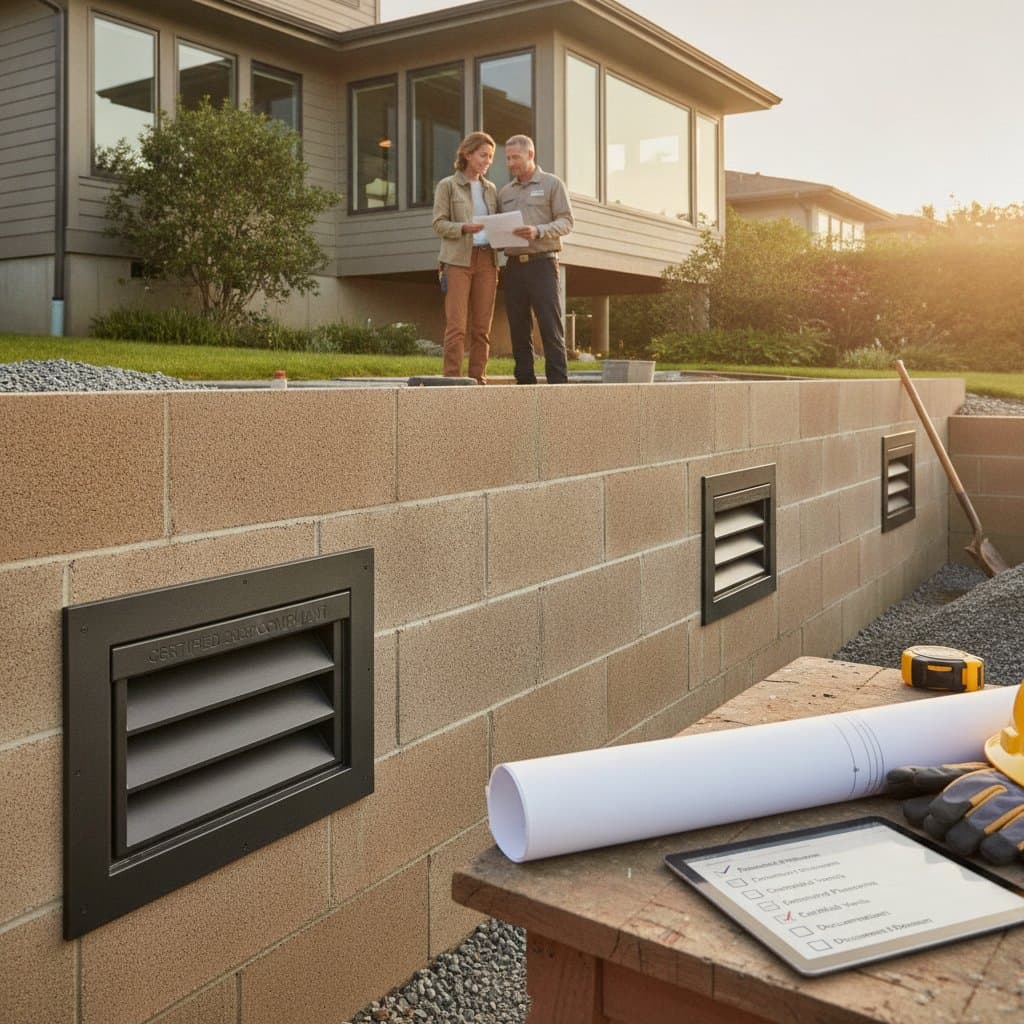
Flood vents function by permitting water entry and exit, thereby balancing pressure on both sides of walls. This equalization reduces the likelihood of cracks, shifts, or total foundation breaches. For instance, during a moderate flood, a vented crawl space allows water to pass through harmlessly, preserving the home's stability.
Compliance directly impacts flood insurance through the National Flood Insurance Program. Non-conforming properties may face premium increases of up to 25 percent or outright ineligibility. Homeowners should verify their zone status via FEMA's Flood Map Service Center to assess immediate needs.
How Flood Vents Operate and Their Types
Engineered flood vents represent the standard for compliance, featuring mechanisms that open automatically under water pressure. These devices include louvers or flaps that activate at low thresholds, ensuring free flow without manual intervention. Basic models suffice for minimal requirements, while advanced ones incorporate flood barriers for added debris protection.
Installation typically occurs at the lowest points of exterior walls enclosing crawl spaces or basements. Each vent must cover at least 200 square inches of net open area per 100 square feet of enclosed space, per FEMA specifications. Certified products display labels from organizations like the International Code Council, confirming adherence to performance standards.
Selecting the appropriate type involves evaluating local flood depths and soil conditions. In areas with frequent debris-laden waters, opt for screened or shielded vents to prevent blockages. Professional assessments ensure optimal placement, maximizing effectiveness during events.
Breaking Down Installation Costs and Factors
Current market conditions influence pricing for flood vent systems, with metal tariffs and supply disruptions elevating expenses. Aluminum vents offer affordability and corrosion resistance, ideal for coastal environments. Engineered options provide superior automation but command higher prices due to complex internals.
Consider the following cost estimates for standard installations:
| Item | Average Cost Range | Key Considerations |
|---|---|---|
| Basic Aluminum Vent | $150 - $250 | Suitable for low-risk zones; easy retrofit |
| Engineered Flood Vent | $250 - $450 | Automatic operation; includes certification |
| Professional Installation | $300 - $800 | Covers precise cutting, waterproof sealing, and testing |
A complete setup for four vents generally ranges from $1,800 to $3,200, factoring in labor and site-specific challenges like concrete walls. Bulk purchases or DIY-friendly kits can trim costs by 15 to 20 percent for accessible installations. Always prioritize certified installers to validate compliance documentation.
Strategic Planning for Flood Vent Installation
Timing plays a crucial role in managing project logistics and costs. In high-risk regions along coasts or rivers, contractors book months in advance during hurricane seasons. Initiate planning in off-peak periods, such as winter months, to secure favorable rates and availability.
Material procurement requires foresight, as engineered vents may face four- to six-week lead times amid global supply issues. Coordinate with insurance renewals to align installations, potentially qualifying for premium discounts upon verification. Local building permits often necessitate pre-approval, so consult municipal offices early.
Post-installation, conduct annual inspections to maintain functionality. Clear any accumulated debris and test mechanisms to ensure readiness. These proactive measures extend vent lifespan and uphold compliance status.
Steps to Achieve Flood Vent Compliance
Begin by determining your property's flood zone through official FEMA resources. Download interactive maps or request a free elevation certificate to confirm risk level. If in a designated area, measure enclosed spaces to calculate required vent quantities and sizes.
Next, evaluate existing infrastructure for retrofit potential. Older homes may need wall modifications, while new constructions integrate vents during framing. Engage a licensed contractor experienced in FEMA standards for a site survey and quote.
Documentation forms the final pillar. Obtain certificates of installation from suppliers and installers, submitting them to your insurer. This process not only secures coverage but also boosts resale value in flood-vulnerable markets.
Long-Term Benefits of Compliant Flood Vents
Investing in flood vents yields measurable returns beyond immediate compliance. Insurance savings average 10 to 20 percent annually, translating to hundreds of dollars over policy terms. Structurally, these systems avert damages that could cost tens of thousands in repairs after a single event.
Over 20 years, the cumulative impact includes preserved equity and reduced stress from flood threats. Vents contribute to sustainable homeownership by aligning with resilient design principles. Homeowners report greater confidence in facing seasonal storms, knowing their property stands fortified.
Ultimately, flood vents transform vulnerability into preparedness. By addressing this requirement proactively, you protect your investment and contribute to community-wide flood resilience.