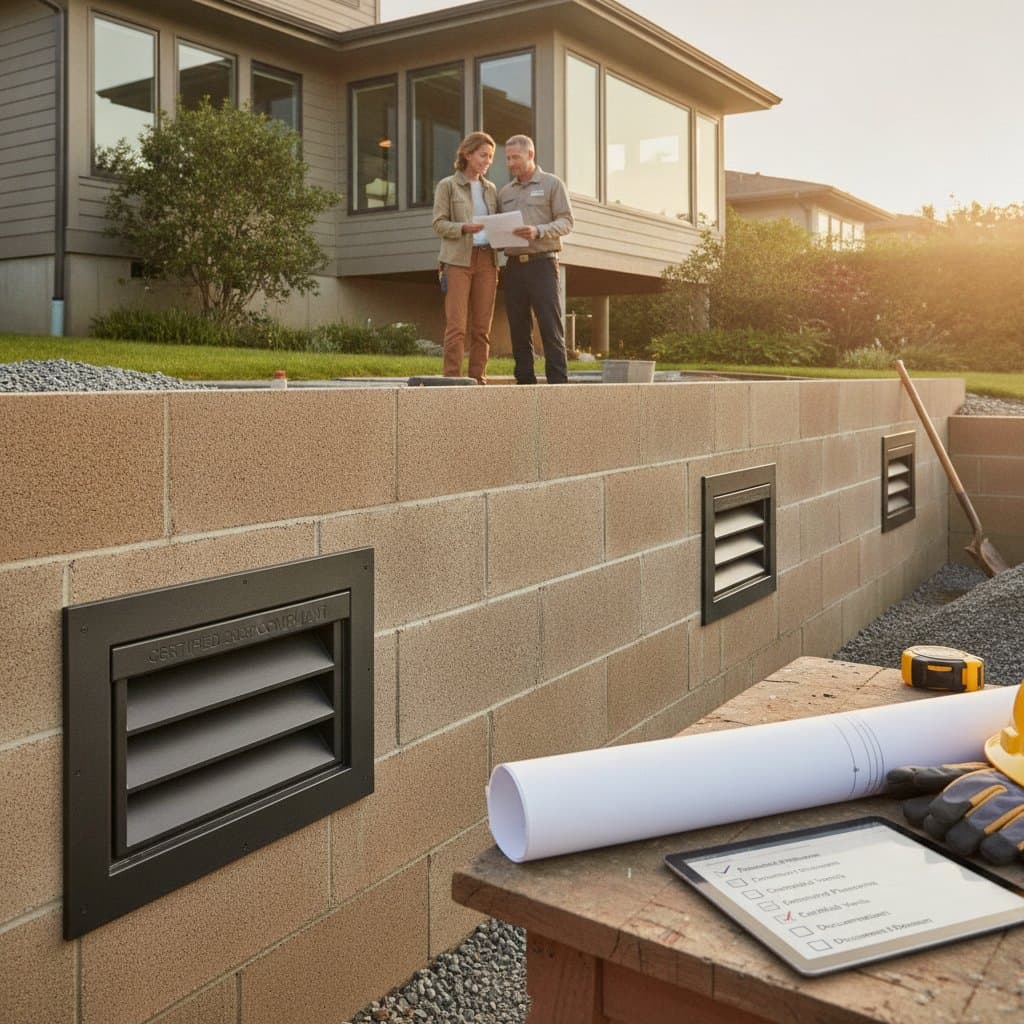
Understanding FEMA's Flood Vent Certification Changes
Homeowners in flood-prone areas must prepare for significant regulatory updates from the Federal Emergency Management Agency. These changes, effective in 2026, mandate certified flood vents to safeguard foundations and crawl spaces during inundation events. Compliance ensures eligibility for flood insurance and prevents structural damage from water pressure buildup.
Flood vents allow water to flow through enclosed areas beneath elevated structures, equalizing hydrostatic forces and reducing the risk of foundation failure. Without proper vents, floodwaters exert immense pressure, often leading to costly repairs or total loss. The new rules address past inconsistencies by requiring verification through approved testing protocols.
Properties in special flood hazard areas face the most immediate implications. Owners should evaluate current setups against upcoming standards to identify gaps early. This assessment forms the foundation for effective planning and implementation.
The Importance of Certification for Flood Protection
FEMA's updates stem from evidence that uncertified vents fail under real flood conditions. Previously, manufacturers could claim compliance without independent evaluation, resulting in inadequate performance. Now, vents must undergo rigorous testing by recognized services to confirm they meet engineered flood resistance criteria.
Certification verifies that vents provide sufficient net open area for water passage, typically two square inches per square foot of enclosed space. This standard minimizes buoyancy forces that could uplift or shift foundations. Homeowners benefit from enhanced safety and potential reductions in insurance premiums upon proof of compliance.
Insurance providers increasingly scrutinize these features during policy renewals. Non-compliant installations may lead to coverage denials or rate hikes of 20 to 50 percent. Verified systems demonstrate proactive risk management, often qualifying properties for discounts through programs like the National Flood Insurance Program.
Evaluating and Selecting Certified Flood Vents
Choosing the right flood vent involves assessing material durability, installation ease, and certification status. Aluminum options suit budget-conscious projects but offer limited resistance to corrosion in saline environments. Stainless steel variants provide superior longevity, essential for coastal properties exposed to brackish water.
Automatic vents, which open mechanically during flooding, represent the gold standard for compliance. These devices eliminate manual intervention and ensure reliable operation. Look for products bearing evaluation report numbers from organizations such as the International Code Council Evaluation Service.
Installation requires precise alignment to maintain structural integrity. Vents must sit at least one foot above the base flood elevation or adjacent grade, depending on local codes. Professional assessment confirms that the number and placement of vents align with the enclosed area's square footage.
Cost Breakdown and Budgeting Strategies
Upfront investments in certified vents yield long-term savings through avoided flood damage and lower premiums. Material prices vary based on type and supplier, influenced by global supply factors. Labor contributes significantly, particularly for retrofits on existing structures.
Consider the following cost estimates for common installations:
| Vent Type | Material Cost | Installed Cost | Key Considerations |
|---|---|---|---|
| Basic Aluminum Vent | $200 - $300 | $400 - $600 | Suitable for low-risk areas; basic airflow |
| Stainless Steel Vent | $350 - $500 | $700 - $900 | High corrosion resistance; ideal for humid climates |
| Certified Automatic Vent | $500 - $800 | $1,000 - $1,500 | Self-activating; meets strict FEMA standards |
Hourly labor rates range from $75 to $150, with elevated foundations adding $500 to $1,200 for custom modifications. Factor in permitting fees, which average $100 to $300 per project. Total expenses for a standard single-family home typically fall between $1,500 and $4,000.
To manage budgets effectively, obtain multiple contractor bids and explore financing options through home improvement loans. Purchasing vents in bulk or during off-peak seasons can reduce costs by 10 to 20 percent. Document all expenses for potential insurance reimbursements or tax deductions related to safety upgrades.
Optimal Timing for Installation Projects
Timing influences both cost and convenience in flood vent upgrades. Early spring offers favorable conditions, with drier soil easing access to crawl spaces and foundations. Completing work before the summer storm season avoids disruptions from weather delays or heightened contractor demand.
Coastal and riverine regions experience peak workloads from May through September, driving up rates by 15 to 25 percent. Scheduling inspections and installations in advance secures availability and locks in current pricing. Monitor local enforcement timelines, as some jurisdictions may adopt the 2026 standards ahead of the federal deadline.
Anticipate material price increases of 10 to 15 percent due to ongoing supply chain issues. Securing components now prevents delays that could extend projects by months. Integrate vent upgrades with broader renovations, such as foundation sealing, to streamline efforts and minimize repeated site visits.
Steps to Achieve Full Compliance
Begin by mapping your property's flood zone status using FEMA's online resources or consulting local building departments. This determines the urgency and scope of required modifications. Next, inspect existing vents for certification markings and functionality.
Engage licensed contractors specializing in flood mitigation for a detailed evaluation. They provide site-specific recommendations and handle permitting processes. Verify that selected products include evaluation reports and warranties covering at least five years.
Post-installation, schedule a professional inspection to obtain compliance documentation. Submit this to your insurer promptly to update policy details and apply for premium adjustments. Regular maintenance, such as clearing debris annually, sustains performance over time.
Securing Your Home Against Flood Risks
Adopting FEMA's flood vent standards fortifies properties against inevitable water threats. Compliant systems not only meet regulatory demands but also preserve home value and financial stability. Homeowners who act decisively position themselves for resilience in an era of rising flood frequencies.
These upgrades extend beyond immediate compliance to foster peace of mind. Protected foundations withstand moderate events without compromise, reducing recovery times and expenses. Invest in certified solutions today to build a safer, more valuable tomorrow.