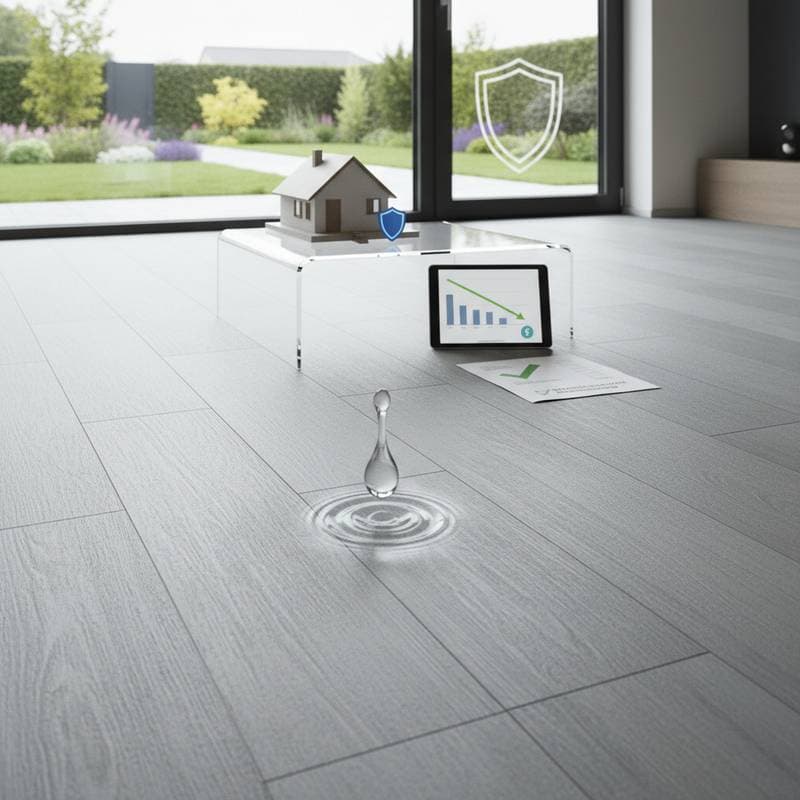
Flood-Proof Flooring Options for 2026 Insurance Savings
Water damage ranks among the most destructive forces in homes, particularly affecting flooring in flood-prone regions. The choice of flooring influences not only immediate repair expenses but also ongoing comfort and insurance rates. By selecting flood-proof materials, homeowners can minimize long-term financial burdens and access significant discounts on homeowner insurance policies.
The Impact of Flooding on Home Flooring
Floodwaters infiltrate homes rapidly, compromising flooring integrity and underlying structures. Beyond surface-level soaking, water promotes mold proliferation and structural weakening, often resulting in repair bills exceeding thousands of dollars. Traditional options such as hardwood planks or wall-to-wall carpet retain moisture, necessitating complete replacement after exposure.
In contrast, flood-resistant alternatives like luxury vinyl planks, porcelain ceramic tiles, and sealed concrete slabs endure prolonged submersion. These materials resist warping, delamination, or discoloration, allowing for thorough drying and reuse post-flood. Such resilience extends beyond physical protection; it positions homeowners favorably with insurers who incentivize proactive risk reduction.
Insurance providers recognize the value of flood mitigation measures. Verified installation of compliant flood-proof flooring qualifies properties for premium reductions ranging from 5 to 20 percent. This discount varies by geographic risk factors, policy specifics, and the extent of implemented upgrades.
Factors Influencing Project Costs and Insurance Benefits
The overall expense of a flood-proof flooring installation depends on multiple variables, each impacting both budget and eligibility for insurance incentives.
-
Subfloor Preparation: Existing subfloors often require assessment and remediation if they show signs of prior water exposure or unevenness. Professional repairs, including leveling compounds or reinforcement, typically add $1,500 to $3,000 to the total.
-
Material Selection: Core options include luxury vinyl tile (LVT) at $3 to $7 per square foot, ceramic or porcelain tile at $4 to $10 per square foot, and polished concrete overlays starting at $5 per square foot. Advanced composites, such as those with embedded waterproof cores, range from $8 to $15 per square foot but offer superior longevity.
-
Labor and Installation Demands: Demolition of outdated flooring, application of vapor barriers, or integration with drainage systems extends project timelines. Expect labor costs of $4 to $8 per square foot, higher in complex layouts or multi-level homes.
-
Regulatory Compliance: Areas near rivers, coasts, or low-lying zones enforce strict building codes. Certified materials must meet standards like those from the Federal Emergency Management Agency (FEMA), potentially requiring additional documentation for approval.
-
Verification Processes: Insurers frequently mandate third-party inspections to confirm mitigation efforts. These evaluations cost $150 to $300 and provide the necessary certification for premium adjustments.
Understanding these elements allows for precise budgeting. Homeowners should consult local codes early to align choices with both safety and financial goals.
Strategies to Optimize Costs
Flood-proof flooring represents a strategic investment, yielding returns through diminished risk and policy savings. Implement these approaches to control expenses without sacrificing quality.
-
Time Installations Strategically: Opt for off-peak seasons, such as late fall or early spring in temperate climates, when contractor availability peaks and rates dip by 10 to 15 percent.
-
Integrate Complementary Upgrades: Pair flooring replacement with related tasks, including baseboard refinishing, threshold sealing, or subfloor vapor barrier installation. This consolidation reduces mobilization fees and streamlines workflows.
-
Select Balanced Material Tiers: Mid-range luxury vinyl provides 95 percent of the durability of high-end stone alternatives at 40 to 50 percent lower cost. Prioritize products rated for at least 24 hours of submersion resistance.
-
Pursue Financial Incentives: Investigate regional programs; for instance, certain states offer rebates of $500 to $1,500 for resilient home modifications. Federal grants through FEMA may also apply in designated flood zones.
-
Leverage Policy Bundling: Submit detailed installation reports to your insurer promptly. This documentation can unlock not only homeowners discounts but also reductions on auto or umbrella policies, amplifying overall savings.
To secure competitive bids, obtain at least three detailed quotes from licensed contractors experienced in flood mitigation. Review portfolios for compliance with standards like the International Building Code to ensure reliability.
Essential Maintenance for Sustained Performance
Flood-proof floors demand routine upkeep to maintain their protective capabilities over 20 to 30 years.
-
Sealant Renewal: Apply fresh waterproof coatings biennially; this process costs approximately $1 per square foot and prevents permeability degradation.
-
Damage Monitoring: Conduct quarterly visual checks for fissures, buckling, or adhesive failures. Prompt patching with compatible sealants averts subfloor infiltration.
-
Gentle Cleaning Protocols: Employ pH-neutral cleaners and soft microfiber tools to avoid eroding protective layers. Steer clear of ammonia-based products that compromise finishes.
-
Humidity Control: Install dehumidifiers to sustain levels below 50 percent, mitigating condensation risks in basements or ground-floor areas.
-
Grout and Joint Care: For tile installations, refresh grout seals yearly using silicone-based compounds to block moisture pathways.
Consistent maintenance extends material lifespan and preserves insurance eligibility, as providers may audit upkeep during renewals.
Calculating Return on Investment
Beyond immediate safeguards, flood-proof flooring enhances a property's market appeal and financial efficiency.
Initial outlays recover 70 to 90 percent within five to ten years via averted repairs, premium cuts, and value appreciation. In high-risk markets, resilient features command 2 to 5 percent higher resale prices, with documentation proving installation ROI.
Appraisers factor in verifiable upgrades, making flood-proof floors a tangible asset. Over decades, cumulative savings from avoided claims and maintenance often exceed original costs by twofold or more.
Steps to Implement Flood-Resistant Upgrades
Transitioning to flood-proof flooring begins with a thorough home assessment. Evaluate current materials for vulnerability, measure affected areas, and consult climate data to select appropriate resilience levels.
Engage certified professionals for design and execution, ensuring alignment with local regulations. Document every phase, from material specs to completion certificates, to maximize insurance and rebate opportunities.
This upgrade fortifies your home against inevitable water threats, preserves equity, and delivers annual financial relief. Embrace these measures to secure enduring protection and peace of mind.