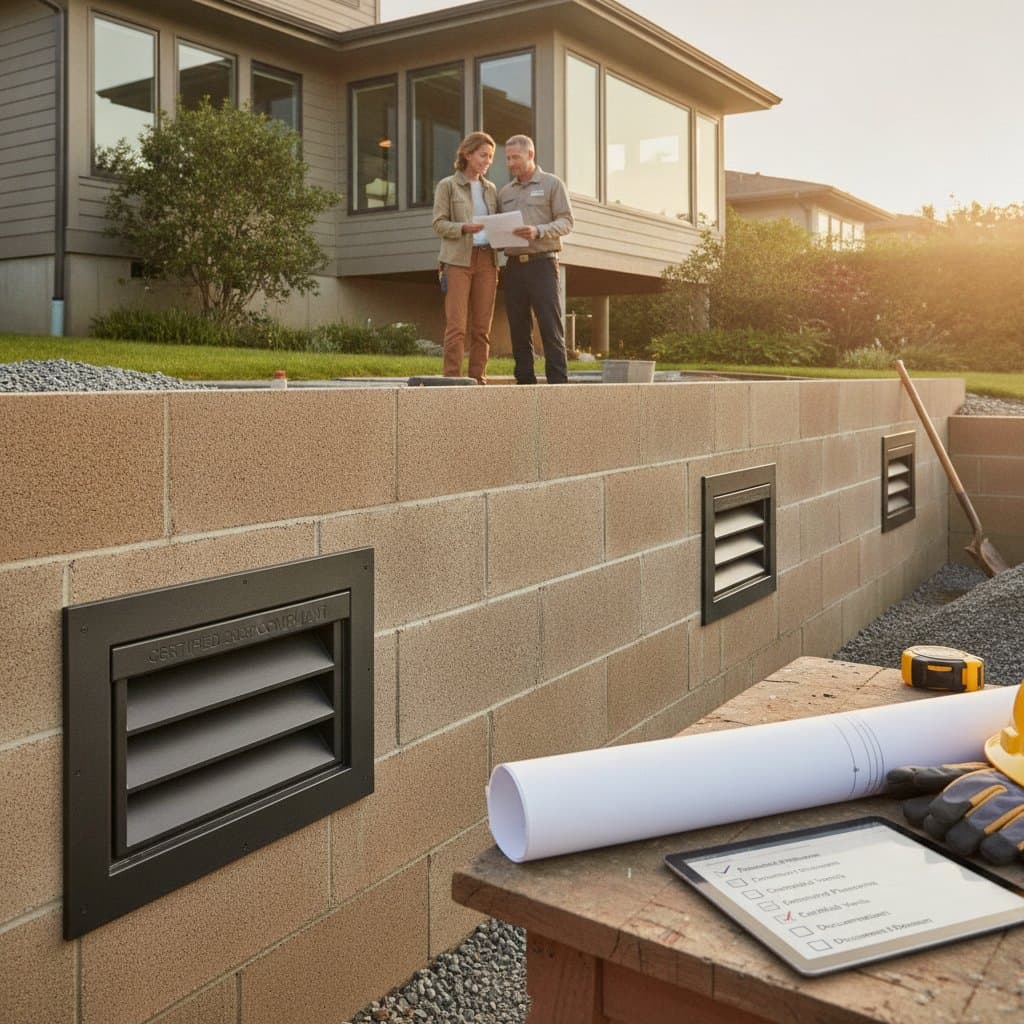
Flood-Proof Your Home with 2026 FEMA Loans
Homeowners nationwide face the reality that flood protection has become essential. Insurance premiums continue to increase, floodplain designations expand, and intense weather affects regions previously spared from flooding. The emotional and financial strain of recurrent water damage proves overwhelming, yet appropriate financing renders mitigation feasible despite initial expenses.
FEMA's enhanced home elevation and mitigation loan initiatives assist property owners in fortifying residences against floods, lowering ongoing insurance expenses, and preserving asset worth. For those intending to implement flood-proofing measures soon, grasping the loan mechanics, coverage scope, and qualification process proves crucial.
Why Flood-Proofing Matters More Than Ever
Anyone who has endured a single flood incident understands the rapid accumulation of expenses. Repairs to flooring, drywall, and electrical systems frequently surpass $20,000 per occurrence. Repeated incidents risk rendering properties uninsurable.
FEMA's revised flood maps now classify numerous formerly low-risk homes as moderate or high-risk, resulting in elevated premiums and rigorous insurance stipulations. Recent surges in material prices further complicate efforts. Lumber, concrete, and elevation hardware face impacts from supply disruptions and local labor deficits. Mitigation specialists maintain schedules filled for months, underscoring the need for prompt preparation.
Delays in securing financing and contractors can lead to significant cost increases. For instance, permit readiness coinciding with a 15 percent material price hike illustrates the value of advance action. FEMA loans empower homeowners to proactively address vulnerabilities rather than react to disasters.
Cost Breakdown and Market Context
Expenses for flood-proofing differ based on foundation design, home dimensions, and geographic position. The following table presents a practical overview aligned with prevailing market dynamics.
| Project Type | Typical Cost Range | Key Cost Drivers |
|---|---|---|
| Home Elevation (pier or column) | $80,000 - $125,000 | Foundation type, soil stability, access for heavy equipment |
| Foundation Reinforcement | $25,000 - $50,000 | Concrete costs, structural engineering requirements |
| Flood Vents and Barriers | $3,000 - $10,000 | Number of openings, material type, labor rates |
| Drainage and Grading Improvements | $5,000 - $20,000 | Yard slope, distance to storm drains, landscaping |
Shortages have elevated concrete and steel prices by approximately 10 percent compared to the prior season. Demand for proficient foundation experts, especially in coastal and riverside locales, intensifies labor challenges. Homeowners benefit from incorporating a 10 percent buffer into financial projections.
Strategic Timing Advice
Coordinating financing, approvals, and building demands precise scheduling. Loans supported by FEMA process more swiftly in communities enrolled in the National Flood Insurance Program (NFIP). Participation in FEMA's Community Rating System may yield insurance premium reductions post-project completion.
Consider this step-by-step approach:
- Initiate efforts in early spring to minimize weather interruptions and secure contractor availability.
- Submit loan applications prior to design phases, as providers typically mandate an FEMA-compliant project outline.
- Verify permitting durations, since floodplain authorities may require weeks for elevation plan assessments.
- Procure materials ahead of schedule to circumvent delays in specialized components like foundation hardware and vents.
- Arrange inspections proactively, given potential FEMA requirements for pre- and post-work validations to release funds.
Anticipating delays, such as three weeks for custom bolts, allows for contingency planning that safeguards budgets.
Financial Benefits and Long-Term ROI
Flood mitigation stands out among home upgrades for its capacity to recoup investments. Key advantages include:
- Insurance reductions: Raising a home three feet above base flood elevation often lowers premiums by 70 to 80 percent.
- Enhanced property value: Verified improvements typically command 10 to 15 percent higher sale prices than unmodified comparables.
- Averted repair expenses: Preventing one flood incident saves $30,000 or more.
- Accessible financing: Competitive interest rates and extended terms maintain payments affordable, frequently under $300 monthly for average endeavors.
Long-term residency amplifies these gains through cumulative savings. For sellers, certified enhancements appeal to purchasers and insurers alike.
Safety and Compliance Considerations
Structural and electrical hazards accompany flood-proofing initiatives. Professional oversight remains mandatory for foundation alterations or elevations to prevent instability or policy invalidation.
Safety Red Flags
- Providers bypassing permits or evaluations
- Quotes substantially lower than regional averages
- Neglect of utility adjustments
- Employment of non-compliant vents or materials
Confirm contractor possession of flood mitigation qualifications and coverage. FEMA's professional registry serves as a dependable resource.
Maintaining Your Investment
Post-elevation or reinforcement, ongoing upkeep sustains effectiveness. Conduct annual foundation checks for fissures or movement. Ensure drainage routes stay free and vents unobstructed. For installed sump pumps or backflow devices, perform monthly functionality tests.
Routine diligence upholds insurance incentives. Local floodplain agencies or FEMA might necessitate re-verification following substantial modifications or yard work.
Steps to Secure Your Home
Flood-proofing demands dedication yet delivers unmatched security beyond insurance alone. Begin by determining your flood zone designation, then consult local mitigation authorities on FEMA loan availability. Obtain contractor bids promptly, factor in a 10 percent reserve, and finalize funding arrangements before price escalations.