2026 Flood-Resistant Flooring Options That Minimize Insurance Claims
Water damage from floods devastates homes, particularly flooring, which often sustains the initial impact. The subsequent cleanup and insurance processes prove equally challenging. Selecting appropriate flood-resistant materials during reconstruction prevents extensive replacements and qualifies properties for potential insurance incentives in vulnerable areas, including basements prone to storm-related moisture.
Project Overview
Average Cost: $7,000 to $14,000
Timeline: 2 to 4 weeks
Lifespan: 15 to 30 years
Best Season: Spring or early summer
DIY Friendly: Partial
Permits: Required only for subfloor repairs or waterproof membrane installations
The Importance of Flood-Resistant Flooring
Insurance providers increasingly adjust premiums in regions experiencing frequent water damage incidents. Vulnerable floors, such as traditional hardwood or carpet, retain moisture, fostering mold growth, structural deformation, and expensive repairs. Transitioning to water-resistant alternatives diminishes claim occurrences and may secure modest premium reductions.
Post-flood replacement expenses typically exceed initial installation costs by two to three times. With stable material pricing and expanded availability, proactive upgrades serve as essential safeguards and prudent financial strategies.
Detailed Cost Analysis by Flooring Type
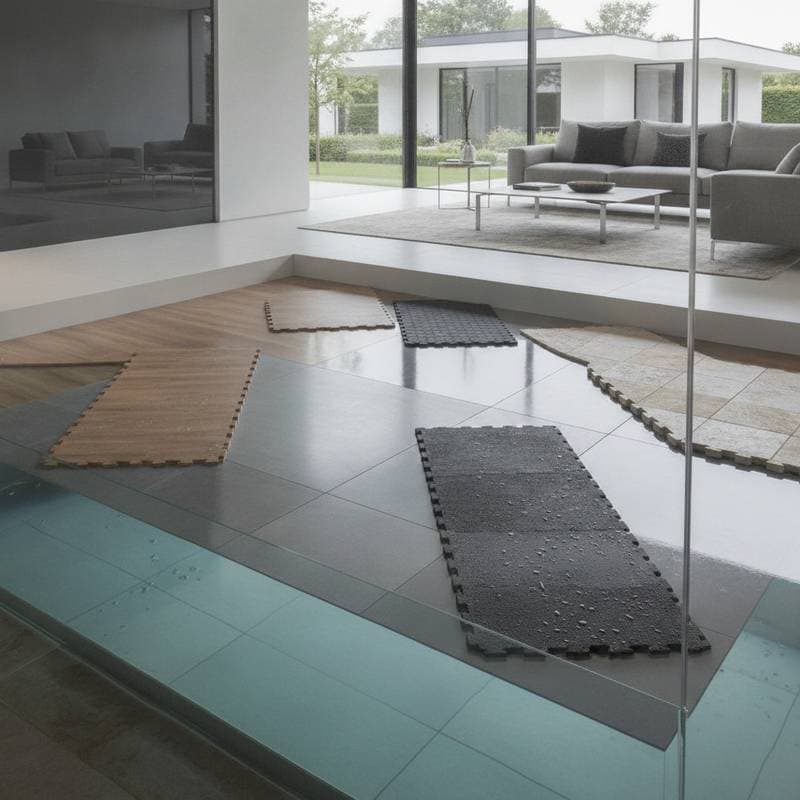
Contemporary flood-resistant options mimic the aesthetics of natural wood or stone without compromising durability against water exposure. Each type balances performance, appearance, and budget considerations.
1. Luxury Vinyl Plank (LVP)
- Material Cost: $3 to $6 per square foot
- Labor Cost: $2 to $4 per square foot
- Total Installed Cost: $5 to $10 per square foot
Luxury vinyl plank features interlocking designs that prevent water infiltration and swelling. This material excels in basements, enduring occasional leaks without structural compromise. Homeowners appreciate its straightforward installation over level subfloors.
2. Ceramic or Porcelain Tile
- Material Cost: $2 to $8 per square foot
- Labor Cost: $6 to $10 per square foot
- Total Installed Cost: $8 to $18 per square foot
These tiles offer inherent waterproof properties, though grout lines require periodic sealing to maintain integrity. They suit high-moisture zones like kitchens, bathrooms, and ground-level spaces. Professional installation ensures proper adhesion and slope for effective drainage.
3. Waterproof Laminate
- Material Cost: $2 to $5 per square foot
- Labor Cost: $2 to $4 per square foot
- Total Installed Cost: $4 to $9 per square foot
Advanced formulations incorporate moisture-resistant cores that resist expansion from water contact. Select products with certified underlayments for optimal performance. This option provides an accessible entry point for mid-budget renovations.
4. Concrete with Epoxy Seal
- Material Cost: $3 to $8 per square foot
- Labor Cost: $3 to $6 per square foot
- Total Installed Cost: $6 to $14 per square foot
Epoxy coatings transform concrete into a robust, impermeable surface suitable for garages, workshops, and basements. Customization through tinting or polishing elevates its visual appeal. The process demands skilled application to achieve uniform protection.
Decision Guide: Professional Installation Versus DIY Approaches
Flooring installations involve critical preparatory steps that influence long-term efficacy. Floating luxury vinyl planks suit DIY efforts on flat, dry subfloors, requiring basic tools and alignment techniques. However, tile layouts and concrete sealing necessitate expert intervention to incorporate water barriers and ensure warranty compliance.
Circumstances Requiring Professional Assistance:
- Presence of subfloor cracks or irregularities
- Indications of underlying moisture or mold issues
- Necessity for complete removal of prior flooring layers
Suitable DIY Tasks:
- Repairing isolated damaged planks or tiles
- Assembling click-lock luxury vinyl systems
- Applying sealants to existing concrete surfaces
Optimal Timing and Procurement Strategies
Schedule projects from spring through early summer to benefit from temperate conditions that minimize material absorption during setup. Contractors maintain greater availability before the height of renovation demands. Delaying until later seasons risks material shortages and elevated labor fees.
Secure supplies in advance to avoid disruptions. Early procurement stabilizes costs and guarantees timely delivery, preventing project setbacks from supply chain interruptions.
Insurance Implications and Return on Investment
Properties equipped with flood-resistant flooring experience fewer claims, prompting insurers to recognize proactive risk management. Although immediate discounts vary, circumventing a single substantial claim offsets installation expenses significantly.
An investment of $10,000 in durable flooring averts $20,000 to $40,000 in future remediation and replacement outlays. Enhanced resale appeal arises from buyer preferences for flood-mitigated homes. Additionally, sealed surfaces regulate indoor humidity, optimizing HVAC efficiency and yielding ongoing utility savings.
Preservation Strategies for Longevity
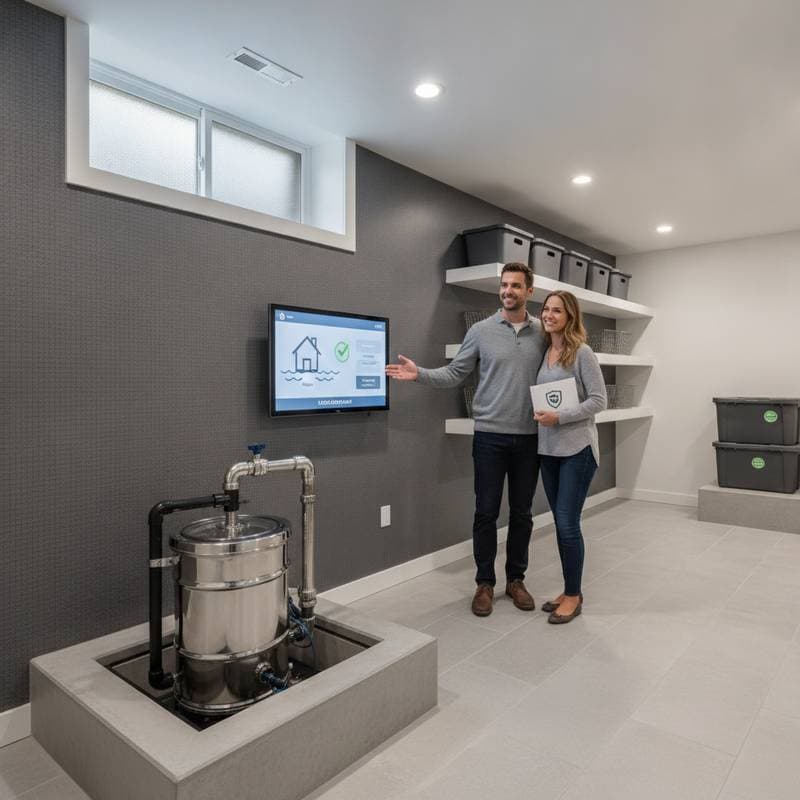
Flood-resistant materials demand routine upkeep to sustain performance. Clear drains regularly, and conduct biannual inspections of sump pumps. Reapply grout sealants or epoxy coatings according to manufacturer guidelines.
In the event of water exposure, extract standing liquid promptly using mops and fans. Examine seams, transitions, and baseboards for concealed moisture to prevent escalation.
Implementing Flood-Resistant Upgrades Effectively
Adopting flood-resistant flooring fortifies homes against water threats while elevating overall value. These choices extend beyond immediate recovery to foster enduring resilience across seasons. Select materials aligned with specific needs to achieve reduced claims, enhanced security, and sustained dryness.