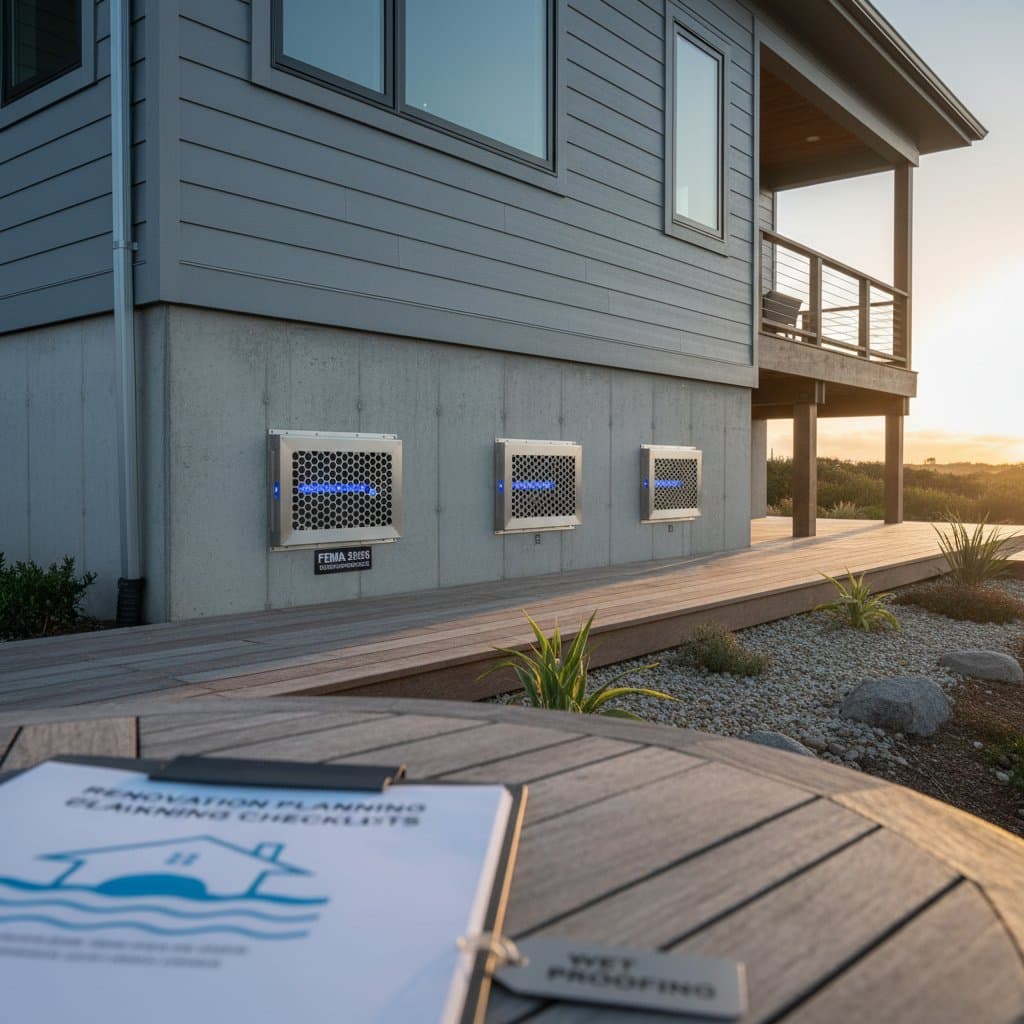
Understanding FEMA's 2026 Flood Vent Mandates
Federal Emergency Management Agency updates for 2026 introduce stricter requirements for flood-resistant construction. Homeowners in special flood hazard areas must install certified flood vents in enclosed areas below the base flood elevation. These vents allow floodwaters to enter and exit freely, reducing hydrostatic pressure that can cause structural failure.
Failure to comply risks ineligibility for National Flood Insurance Program coverage and potential fines during property transfers or renovations. The rules apply to new builds, substantial improvements exceeding 50 percent of the structure's market value, and certain retrofits. Early action positions homeowners to avoid disruptions and secure financial benefits.
Why Upgrade Flood Vents Now
Certified flood vents mitigate water buildup in crawl spaces, garages, and utility areas. Without them, flood forces can lift foundations or crack walls, leading to repair costs averaging $30,000 or more per incident. Upgrading aligns with updated building codes and supports community flood mitigation efforts.
Insurance providers recognize compliant installations through premium reductions of 15 to 25 percent under the Community Rating System. In high-risk zones, these savings offset upgrade expenses within two to three years. Property values also rise, as buyers prioritize homes with verified flood protections.
Key Factors Influencing Installation Costs
Several elements determine the total expense of flood vent upgrades. Material quality, property layout, and local labor rates play central roles. Basic engineered vents start at $150 per unit, while custom designs for irregular openings reach $400.
- Property Size and Layout: Larger enclosed areas require more vents, typically one per 200 to 400 square feet depending on design flood elevation.
- Access Challenges: Tight crawl spaces or the need for concrete cutting add 20 to 50 percent to labor costs.
- Material Compatibility: Matching vents to existing siding or masonry ensures seamless integration and preserves aesthetics.
Inspect the elevation certificate for your property to calculate precise venting needs. This document specifies the minimum net open area in square inches per enclosed space, guiding the number of units required.
DIY Installation or Professional Service?
Homeowners face a choice between self-installation and hiring experts, each with distinct advantages. Evaluate based on skill level, project complexity, and regulatory demands.
| Criteria | DIY Option | Professional Installation |
|---|---|---|
| Skills Required | Basic carpentry and cutting tools | Licensed contractor with flood expertise |
| Cost Range | $200 to $800 for materials | $800 to $3,200 including labor and permits |
| Time Investment | 4 to 6 hours per vent | 1 to 2 days for full project |
| Compliance Assurance | Relies on self-verification | Includes certified documentation |
Self-installation suits simple projects on wood-framed structures, provided local authorities permit it. Essential tools include a reciprocating saw for precise cuts and sealants for weatherproofing. However, professional services prove essential for masonry walls, elevated foundations, or properties in velocity flood zones, where errors could compromise safety.
Strategies to Minimize Expenses
Smart planning reduces the financial burden of compliance. Focus on efficiency and incentives to maximize returns.
- Combine with Existing Work: Integrate vent installation during foundation repairs or exterior renovations to share labor costs, saving 15 to 20 percent.
- Opt for Certified Products: Select vents approved by FEMA or the International Code Council Evaluation Service to qualify for insurance discounts up to 25 percent.
- Time Projects Strategically: Arrange installations in off-peak seasons like late fall or early spring, when contractor availability lowers rates by 10 to 15 percent.
- Pursue Incentives: Check with local governments or flood control agencies for rebates covering 20 to 50 percent of certified upgrade costs.
Obtain quotes from at least three local specialists to evaluate options. Request details on warranties, timelines, and included compliance paperwork.
Steps for Passing Compliance Inspections
Inspections verify adherence to FEMA standards, often triggered by insurance renewals or sales. Preparation ensures smooth approval.
- Confirm each vent displays a clear FEMA or ICC-ES certification label.
- Position vents no higher than one foot above the lowest adjacent grade.
- Verify automatic operation, allowing water flow without manual activation.
- Calculate total venting area to meet or exceed requirements based on enclosed footage.
Document the process with photographs and installer certifications. Submit these to your floodplain manager if required, securing official sign-off.
Building Lasting Flood Resilience
Flood vent upgrades extend beyond immediate compliance. They fortify foundations against erosion and pressure, preserving structural integrity over decades. Lowered insurance obligations free up funds for other home improvements, while enhanced resilience appeals to future buyers in vulnerable areas.
Initiate your project in favorable weather to minimize disruptions. Review permit requirements through your building department and select contractors experienced in flood retrofits. Retain all records in a secure file for insurance audits or resale disclosures.
Proactive measures today safeguard tomorrow's security. Compliant homes withstand rising flood risks, maintaining value and peace of mind.