Understanding the 2026 FEMA Flood Vent Updates
Homeowners in flood-prone regions face evolving requirements from the Federal Emergency Management Agency. The 2026 updates to floodplain management standards emphasize engineered openings in foundations to equalize hydrostatic pressure during floods. These vents prevent walls from collapsing under water force, a common cause of costly repairs. Compliance not only safeguards your property but also unlocks significant reductions in National Flood Insurance Program premiums, often by 10 to 20 percent depending on your location and risk level.
The new rules build on existing guidelines but introduce stricter performance criteria for vents. All installations must now feature certified models that meet or exceed International Code Council Evaluation Service standards. This shift aims to enhance resilience across communities while incentivizing proactive measures. Homeowners who act now can avoid penalties, secure rebates, and position their properties for better market value in the long term.
Essential Facts About Flood Vents
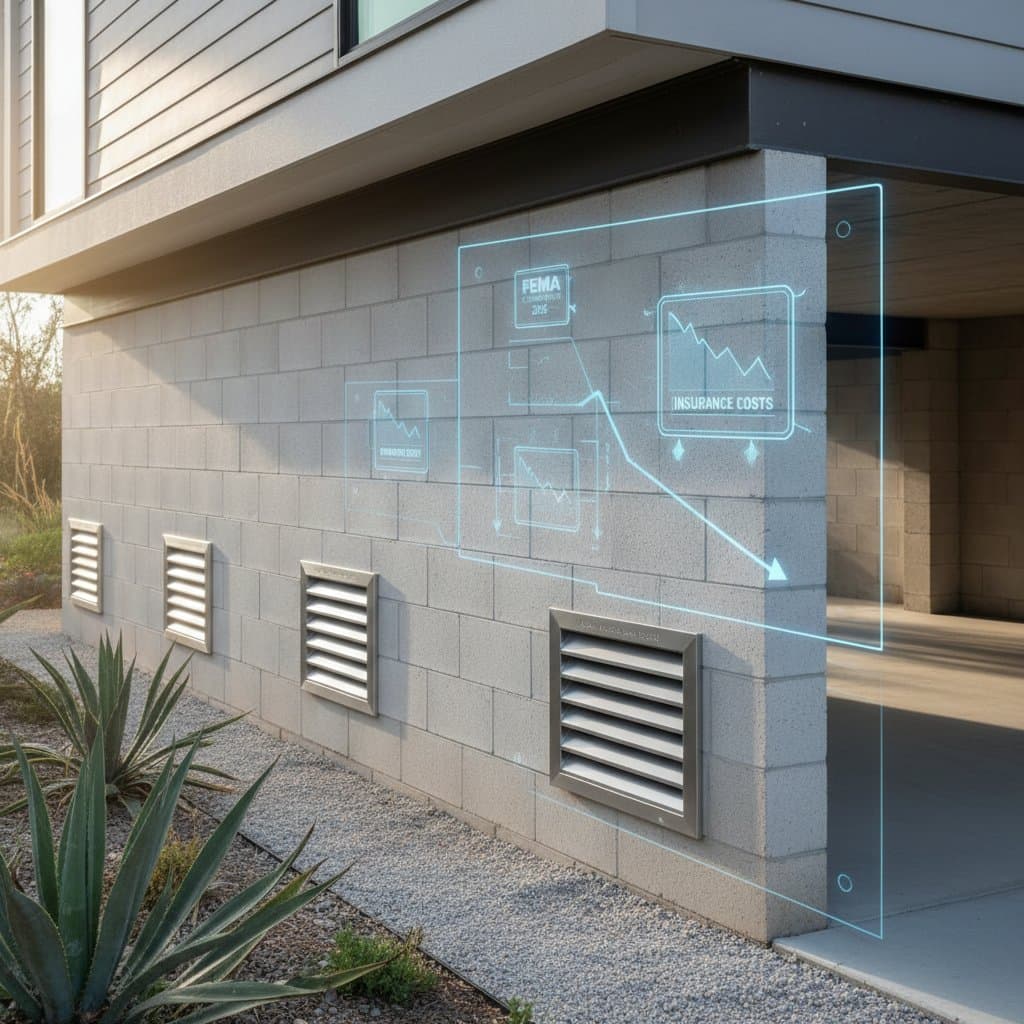
Flood vents serve as critical safeguards in enclosed foundation areas, such as crawl spaces or garages. They permit floodwaters to enter and exit freely, minimizing pressure buildup that leads to foundation cracks or total failure. Proper implementation requires careful planning to align with local building codes and FEMA's elevation certificates.
Key Specifications
- Average Installation Cost: $200 to $600 per vent, varying by material and labor demands
- Project Duration: One to two days for most residential setups
- Expected Lifespan: 20 to 30 years, provided regular maintenance occurs to clear debris
- Installation Complexity: Moderate for experienced DIY enthusiasts; straightforward for licensed professionals
These figures provide a baseline for budgeting. Factors like soil type and home age can influence the final expense. Consulting a flood mitigation specialist early helps tailor solutions to your specific site conditions.
Detailed Cost Analysis for Flood Vent Projects
Pricing for flood vents reflects choices in design, durability, and professional involvement. Basic models suit standard residential needs, while advanced options offer superior corrosion resistance and automation. Understanding these elements allows homeowners to balance quality with affordability.
Standard aluminum vents cost between $150 and $250 each. These lightweight options install quickly and provide reliable performance in moderate flood zones. For harsher environments, stainless steel models range from $250 to $400 per unit, offering enhanced longevity against rust and impact.
Automatic bi-directional vents, priced at $400 to $600 apiece, represent a premium choice. They open mechanically in response to water pressure from any direction, eliminating the need for manual intervention. Professional installation fees add $100 to $200 per vent, covering precise cutting, sealing, and code verification.
A standard single-family home typically needs two to six vents, based on the square footage of enclosed areas below the base flood elevation. Additional expenses may arise from foundation modifications, such as coring concrete or reinforcing masonry. Total project costs for a four-vent setup often fall between $1,200 and $3,600.
Practical Advice: Integrate vent work with scheduled foundation maintenance or exterior renovations. This approach can trim labor expenses by 15 to 20 percent through shared access and tools.
Comprehensive Guide to Installing or Upgrading Flood Vents
Successful flood vent projects begin with thorough preparation and adherence to updated standards. The process ensures vents function effectively without compromising structural integrity. Following a structured sequence minimizes errors and maximizes insurance benefits.
-
Evaluate Your Flood Risk Zone: Access FEMA's Flood Insurance Rate Maps online or visit your local planning office. Determine if your property lies in a Special Flood Hazard Area, which mandates these openings.
-
Examine Foundation Enclosures: Survey crawl spaces, basements, or attached garages for areas that trap water. Measure dimensions to calculate required opening sizes, typically 200 square inches per 100 square feet of enclosed space.
-
Select FEMA-Certified Vents: Prioritize products with ICC-ES certification, ensuring they allow at least 200 square inches of unobstructed flow. Review manufacturer specs for flood depth ratings and warranty details.
-
Design Optimal Placement: Position vents at least 12 inches above grade and space them evenly on opposing walls. This configuration promotes balanced water movement and prevents debris accumulation.
-
Engage Qualified Installers: For complex jobs, hire contractors experienced in flood retrofits. They handle permits, equipment, and safety protocols to meet 2026 compliance.
-
Maintain Detailed Records: Photograph the installation and retain receipts, diagrams, and certification documents. These prove compliance during insurance audits or property sales.
-
Conduct Post-Installation Checks: Arrange for a professional inspection to confirm functionality. Test mechanisms seasonally to ensure they operate without obstruction.
Completing these steps ahead of the 2026 deadline positions your home for resilience. Early action also allows time to address unforeseen challenges, such as utility relocations.
Strategies to Minimize Flood Vent Expenses
Investing in flood vents yields returns through damage prevention and premium discounts, but upfront costs concern many homeowners. Targeted approaches can substantially lower outlays while preserving quality. Explore these methods to optimize your budget.
Combine vent installation with broader home improvements, such as sump pump additions or grading adjustments. This synergy reduces mobilization fees and leverages economies of scale. Insurers frequently provide premium credits for compliant features; request a policy review post-installation to claim reductions up to $500 annually.
Timing matters for cost control. Schedule work during off-peak seasons, like late summer or winter, when contractors face less demand and offer competitive rates. Local governments and nonprofits administer grants for flood mitigation; programs like FEMA's Hazard Mitigation Grant may cover 50 percent or more of eligible expenses.
Consider energy-efficient vent designs that qualify for additional incentives. Shop multiple suppliers for bulk discounts on certified units. These tactics can cut total costs by 25 to 40 percent, accelerating the payback period through avoided claims.
Securing Your Home's Future with Compliant Vents
The 2026 FEMA rules underscore the importance of proactive flood defense. Certified vents fortify foundations against inevitable water threats, preserve property equity, and streamline insurance affordability. Homeowners who prioritize these upgrades gain confidence in facing rising climate risks.
Begin your preparation by mapping flood vulnerabilities and sourcing vetted professionals. Secure multiple quotes emphasizing certified materials and full-service installation. With documentation in hand, your investment translates to enduring protection and financial advantages.