The Upcoming Flood Vent Changes Homeowners Need to Understand
Homeowners in flood-prone regions face significant updates to flood vent evaluation and installation requirements. These changes extend beyond routine regulations; they influence insurance expenses, FEMA compliance, and the overall integrity of residential structures. What may appear as a minor feature in foundation walls holds substantial implications for regulatory approval and financial outcomes.
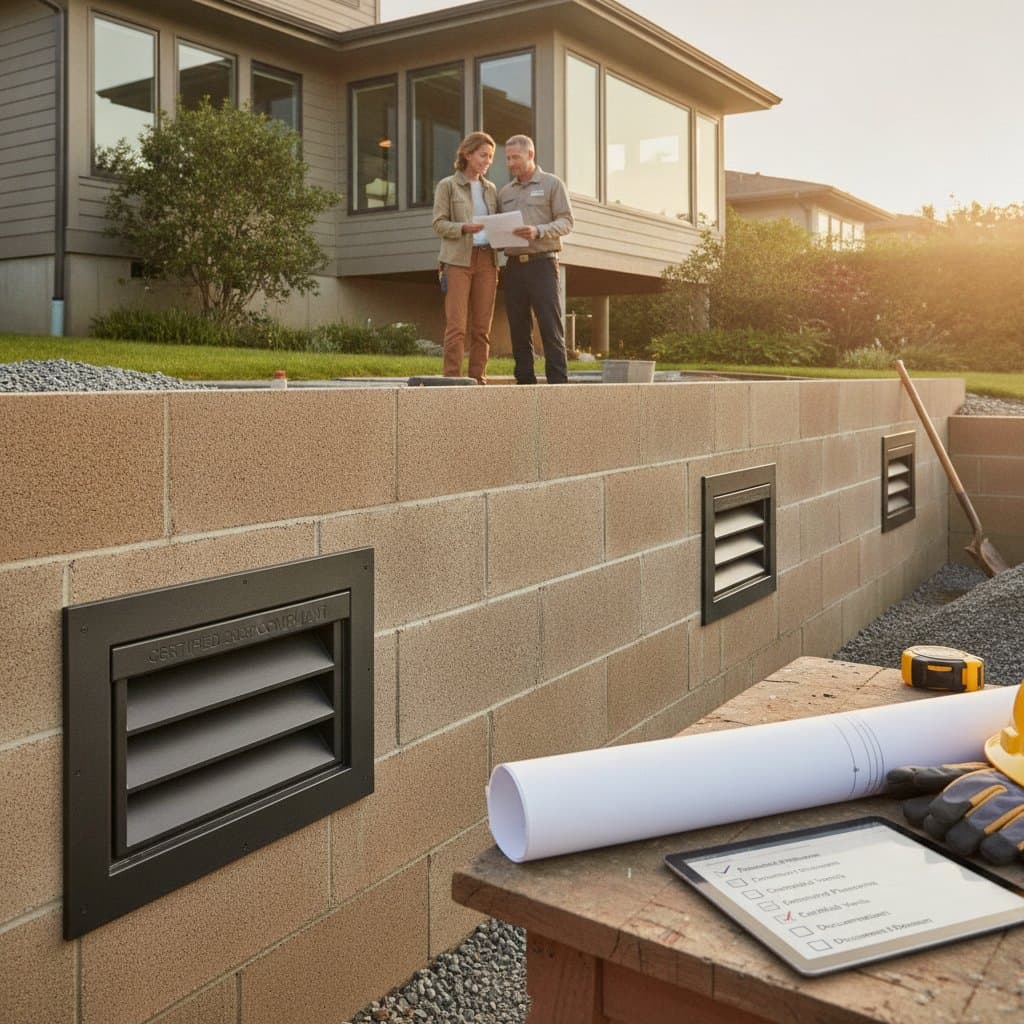
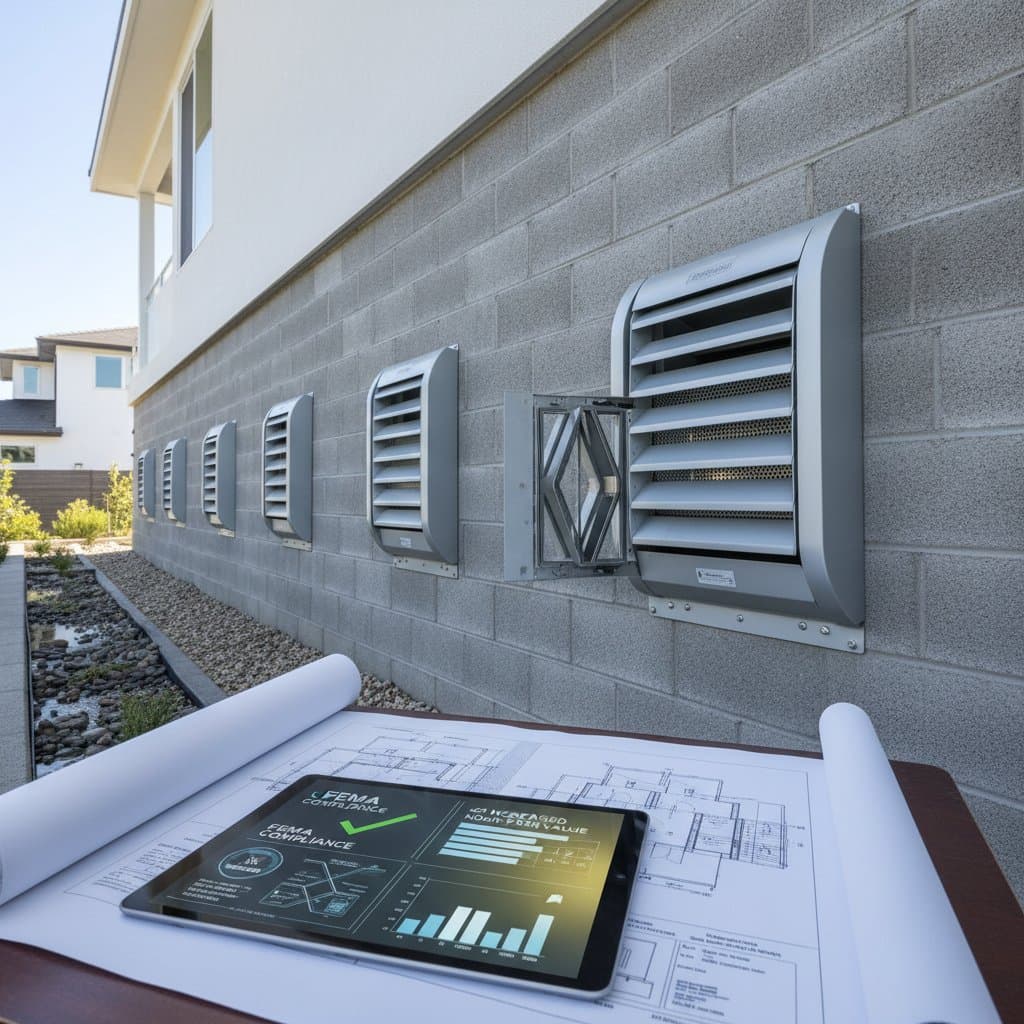
FEMA's evolving compliance guidelines compel homeowners to evaluate their existing flood vent systems. The emphasis shifts from basic openings to certified, engineered flood vents that adhere to precise performance criteria. These components now play a pivotal role in insurers' risk assessments and local authorities' reviews of elevation certificates.
The Urgency of Flood Vent Compliance
In the present environment of building codes and insurance practices, flood vent adherence carries heightened significance. Insurers apply stricter criteria, while FEMA's flood map revisions reclassify numerous communities. Properties once deemed low-risk now require thorough flood vent inspections, potentially leading to non-compliance and annual premium hikes of thousands of dollars.
Consider a typical raised foundation home with legacy vents. Such vents permit water entry yet fail to regulate pressure effectively between interior and exterior spaces. Installation of certified alternatives can lower the risk classification, resulting in flood insurance reductions of up to 25 percent.
Key Elements of FEMA's Updated Standards
FEMA's revised protocols define an engineered flood vent more rigorously. Simple ground-level openings no longer suffice. These vents must equalize hydrostatic pressure automatically during flooding, facilitating water passage without compromising structural elements. This requirement integrates directly with elevation certificates that insurers rely upon for policy determinations.
Vents installed prior to modern testing protocols may fall short of current benchmarks, regardless of apparent functionality. Homeowners should consult the ICC Evaluation Service database to confirm certification details. Non-compliance risks arise from overlooked verification, even for visually adequate installations.
Strategic Planning for Flood Vent Upgrades
Supply chain disruptions impact the procurement of certified vents, particularly those constructed from durable materials like stainless steel or aluminum. Homeowners benefit from placing orders during off-peak periods to mitigate delays. Spring and early fall offer optimal windows for work, as soil conditions stabilize and weather patterns prove reliable.
Residents in coastal or riverine areas should initiate planning well in advance. Flood mitigation specialists often schedule projects months ahead, especially amid rising awareness of compliance mandates. Delaying until insurance renewal deadlines can complicate approvals and installations.
Financial Returns and Property Value Impacts
Flood vents, though unassuming, directly affect a home's market appeal. FEMA-compliant properties with modern flood safeguards attract buyers more readily and support elevated sale prices. Prospective owners value the associated insurance discounts and the assurance of a fortified foundation.
For average residences, the investment recoups within 3 to 6 years through reduced premiums. These vents endure 20 to 30 years, positioning them among the most cost-effective flood mitigation options. In mandatory insurance zones, adherence distinguishes insurable assets from those facing coverage denials.
Essential Maintenance for Certified Flood Vents
After installation, certified flood vents demand straightforward yet regular care. Conduct inspections biannually to remove accumulations of debris, animal nests, or sediment that impede operation. Following flood incidents, clean components meticulously and test the self-activating features for proper movement.
Incorporate gasket replacements and corrosion checks into annual home upkeep. Such diligence prolongs service life and upholds certification status. Authorities may request visual records or physical verifications post-storm, and proactive maintenance averts expenses from mandatory re-evaluations.
Steps to Achieve Flood Vent Compliance
FEMA's flood vent evolution signals a permanent evolution in risk management by federal, insurance, and municipal entities. Proactive homeowners safeguard their assets' worth and economic position through timely measures.
Begin with an examination of your elevation certificate to assess vent certification. Solicit estimates from certified contractors versed in FEMA and ICC specifications. Document installation details alongside insurance records for seamless renewals.
Flood preparedness originates at the structural base. Preparation under the 2026 standards positions homes for sustained compliance, insurability, and protection against rising waters.