Protect Your Basement with Resilient Flood-Resistant Flooring
Homeownership offers stability and joy, yet basement flooding presents one of the most disruptive challenges. Water intrusion can ruin flooring, compromise stored items, and foster mold growth, resulting in significant repair expenses and health concerns. Fortunately, proactive measures exist to fortify your space. By selecting flood-resistant flooring materials, you create a barrier against moisture while preserving functionality and aesthetics. This approach requires no advanced expertise; basic knowledge empowers informed choices that enhance your home's durability.
Understanding Moisture Challenges in Basements
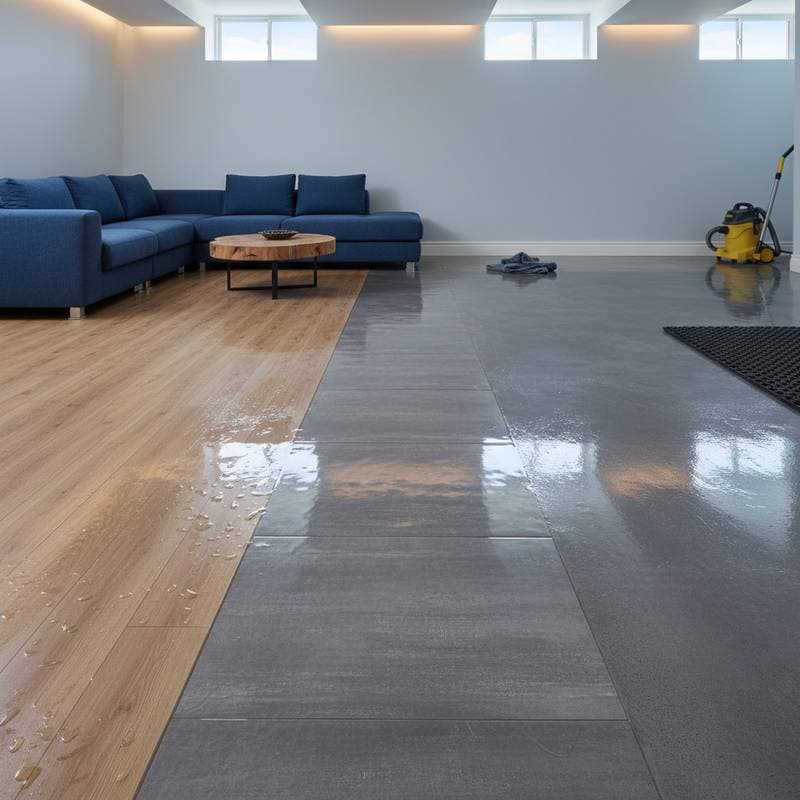
Basements face unique risks due to their below-grade position, where groundwater, heavy rains, or plumbing failures can introduce moisture. Traditional materials like carpet absorb water readily, leading to warping, discoloration, and mildew. In contrast, flood-resistant options repel liquids, facilitate rapid drying, and retain strength post-exposure. Factors such as your budget, desired texture, and room usage influence the ideal selection. Consider traffic levels, for instance; high-use areas benefit from slip-resistant surfaces to ensure safety.
Top Flood-Resistant Flooring Choices for Basements
Several materials stand out for their ability to combat water damage effectively. Each offers distinct advantages in terms of installation ease, cost, and visual appeal. Below, explore detailed profiles of leading options, including practical considerations for implementation.
1. Luxury Vinyl Plank (LVP) or Tile (LVT)
Luxury vinyl plank flooring replicates the elegance of hardwood or stone while providing complete waterproofing. Multi-layered construction, including a core of rigid PVC, ensures stability and seals out moisture at the seams through click-lock mechanisms. In the event of a flood, individual planks lift easily for subfloor drying, minimizing downtime. Installation suits most basements; prepare the surface by leveling and applying a vapor barrier. Expect costs between $2 and $7 per square foot, with lifespans exceeding 20 years under normal conditions. Pair with underlayment for added soundproofing and comfort.
2. Ceramic or Porcelain Tile
Ceramic and porcelain tiles deliver timeless durability and inherent water resistance, thanks to their fired clay composition. Porcelain variants prove denser and less porous, ideal for high-moisture environments. Proper installation over a cement backer board and waterproof membrane prevents subfloor saturation during floods. Opt for textured or matte finishes to reduce slip hazards on damp surfaces. Cleaning involves simple sweeping and mopping with mild solutions, avoiding abrasive chemicals. Prices range from $3 to $10 per square foot, including grout; professional grouting enhances longevity against cracking.
3. Epoxy-Coated Concrete
Exposed concrete floors gain superior protection through epoxy resin coatings, forming a seamless, impermeable shield against water and chemicals. This method suits unfinished basements, transforming drab slabs into vibrant, customizable surfaces via metallic pigments or embedded aggregates. Application requires surface etching for adhesion, followed by multiple coats that cure to hardness. It withstands heavy impacts and cleans effortlessly with water. Budget $5 to $12 per square foot for materials and labor; the finish endures 10 to 20 years with periodic resealing. Ventilation during curing prevents fumes from affecting air quality.
4. Rubber Flooring
Rubber sheets or tiles provide versatile, cushioned protection popular in playrooms and workshops. Vulcanized rubber repels water entirely and offers natural grip, reducing fall risks. Interlocking designs allow modular replacement if sections become compromised. Beneath, a dry subfloor promotes quick recovery post-flood. This material insulates against cold and absorbs noise effectively. Costs fall between $4 and $8 per square foot; DIY installation uses adhesive or loose-lay methods for smaller spaces. Recycle old rubber to align with sustainable practices.
Spotting and Addressing Early Moisture Indicators
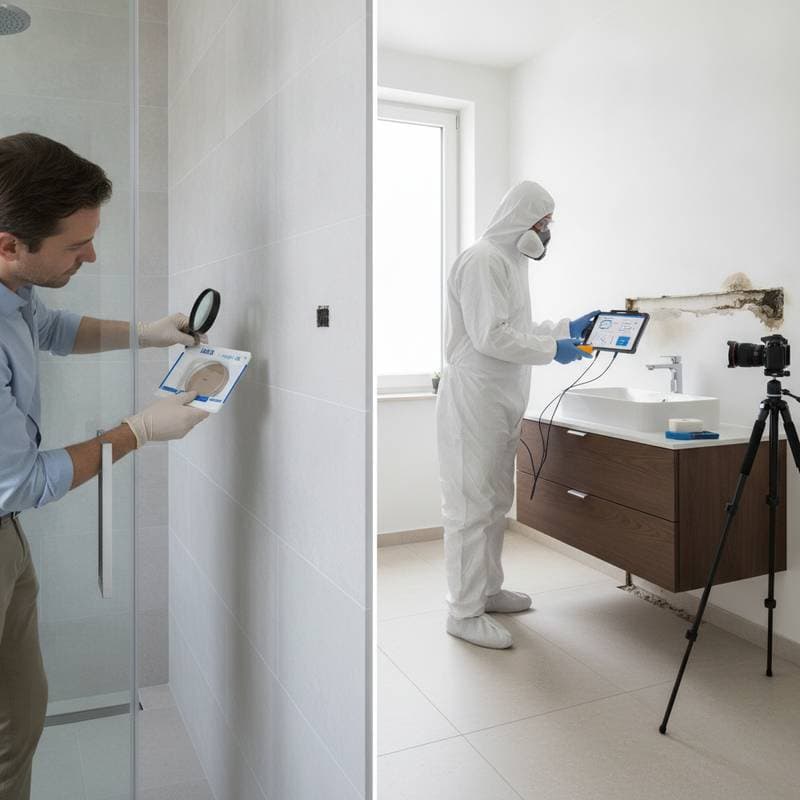
Vigilance prevents minor issues from escalating into major floods. Inspect regularly for subtle clues like persistent dampness on walls or floors, efflorescence (white mineral deposits) on concrete, or unexplained warping in nearby materials. Musty smells signal hidden mold, while bubbling paint or loose baseboards point to seepage. Test humidity levels with a meter; levels above 60 percent warrant dehumidifier use. Improve exterior drainage by extending downspouts and grading soil away from foundations. These steps, combined with resilient flooring, form a comprehensive defense.
Evaluating DIY Installation Against Professional Services
Many homeowners tackle simpler projects independently, saving on labor costs. Vinyl and rubber options feature user-friendly systems that require only a utility knife, tape measure, and adhesive. Begin by clearing the area, repairing cracks, and ensuring even subflooring. However, tiles and epoxy demand specialized skills to achieve watertight seals. Uneven application risks future leaks. Hire certified installers for areas over 200 square feet, structural modifications, or persistent moisture problems. Professionals assess vapor barriers and comply with local codes, guaranteeing warranties and peace of mind.
Implementing Budget-Conscious Strategies
Affordable protection does not compromise quality. Start with vinyl or rubber, which balance cost and performance without extensive prep work. Shop during sales or opt for remnant pieces from suppliers. Enhance existing concrete affordably by applying a single epoxy layer rather than full replacement. Factor in long-term savings: flood-resistant choices reduce repair frequency. Allocate 10 to 15 percent of your budget for tools or unexpected subfloor fixes. Compare quotes from multiple sources and prioritize materials with strong manufacturer guarantees.
Determining When Professional Intervention Is Essential
Seek expert assistance for complex scenarios. Persistent flooding from groundwater or sewer backups requires plumbing diagnostics beyond basic flooring work. If your basement shows signs of foundation cracks or inadequate insulation, consult structural engineers first. Large-scale renovations, involving electrical updates or HVAC integration, necessitate licensed contractors to avoid code violations. Post-flood assessments ensure no hidden damage lingers. Professionals bring tools like moisture meters and infrared cameras for thorough evaluations, preventing recurring issues.
Sustaining Your Flood-Resistant Flooring Over Time
Routine care extends the life of your investment. Vacuum or sweep weekly to remove debris that traps moisture. After rainstorms, inspect for puddles and dry promptly with fans. Maintain exterior elements: clean gutters biannually, test sump pumps monthly, and seal foundation cracks with hydraulic cement. Inside, use area rugs sparingly and lift them during high-humidity periods. Monitor for wear, such as grout erosion in tiles, and address promptly. Annual professional inspections catch potential problems early, preserving your basement's integrity.
Building a Secure and Enjoyable Basement Space
Investing in flood-resistant flooring transforms vulnerability into resilience. These materials not only shield against water threats but also elevate daily usability with style and comfort. Commit to informed selection, proper installation, and diligent maintenance to enjoy a dependable basement that supports your lifestyle through seasons of change.