Understanding Flood-Resistant Flooring and Its Insurance Benefits
Homeownership in flood-vulnerable areas presents unique challenges, including the threat of water intrusion that can compromise structural integrity and personal belongings. Many individuals overlook the role flooring plays in mitigating these risks, yet selecting appropriate materials can prevent extensive damage and influence insurance outcomes. Flood-resistant flooring emerges as a strategic solution, offering durability against moisture while potentially lowering annual premiums through demonstrated risk management.
Insurance providers evaluate properties based on vulnerability to environmental hazards. Homes equipped with water-resistant features signal proactive ownership, which often translates to reduced rates. This section explores the fundamentals of flood-resistant flooring and its direct impact on cost savings.
Defining Flood-Resistant Flooring
Flood-resistant flooring consists of materials engineered to withstand prolonged exposure to water without structural compromise. These options resist absorption, inhibit mold growth, and facilitate rapid drying after incidents. Beyond mere functionality, such flooring maintains aesthetic value, ensuring living spaces remain inviting despite environmental pressures.
Providers of homeowner insurance frequently incentivize these upgrades. Discounts may range from five to fifteen percent, depending on the policy and regional flood frequency. Homeowners should consult their insurer early to confirm eligibility for rebates on qualifying installations.
The Role of Flooring in Flood Defense
Water typically infiltrates homes at ground level, targeting floors as the primary barrier. Conventional choices like carpet or untreated wood swell upon contact, fostering decay and requiring full replacement. In contrast, flood-resistant alternatives repel moisture, preserving subfloors and adjacent structures.
This resilience directly affects insurance assessments. Adjusters consider the extent of potential damage when calculating premiums; minimized repair needs equate to lower risk profiles. Property owners who prioritize these materials demonstrate foresight, which insurers reward with favorable terms.
Selecting Optimal Flood-Resistant Materials
Choosing the right material involves balancing aesthetics, budget, and performance. Each option suits specific areas of the home, from high-traffic zones to moisture-prone basements. Below, detailed profiles highlight key attributes, installation considerations, and long-term advantages.
1. Luxury Vinyl Tile (LVT):
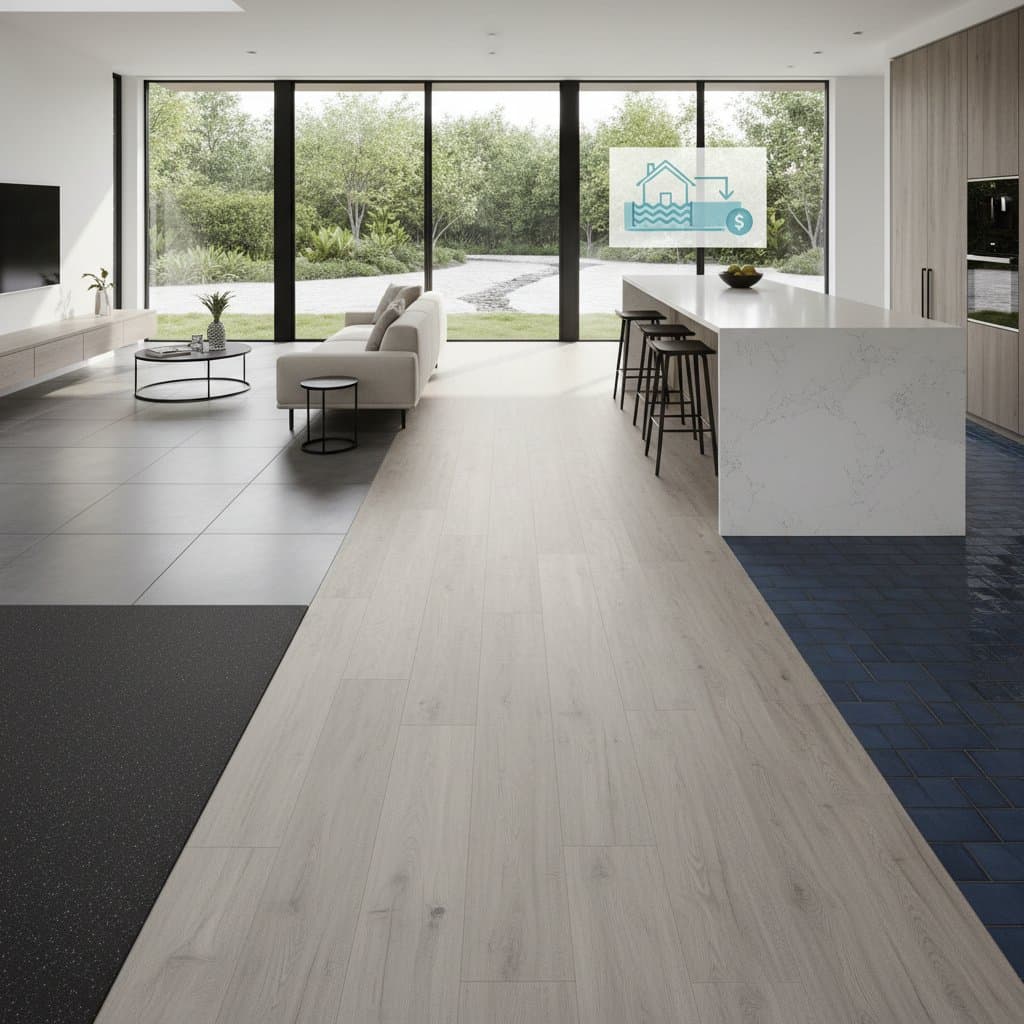
Luxury vinyl tile replicates natural textures like hardwood or marble while providing complete waterproofing. Its multi-layered construction includes a core that blocks water penetration, ideal for kitchens or entryways. Installation options include glue-down methods for seamless adhesion or floating systems that allow for subfloor expansion.
Homeowners appreciate LVT for its affordability, typically ranging from three to seven dollars per square foot. It requires minimal upkeep, with simple sweeping and occasional mopping sufficient to maintain its appearance. Over time, this choice prevents subfloor rot, preserving overall home value.
2. Ceramic or Porcelain Tile:
Ceramic and porcelain tiles offer impermeable surfaces due to their dense, non-absorbent composition. Porcelain, being denser, excels in outdoor or severely flood-exposed areas. Proper grouting with epoxy-based sealants ensures joints remain watertight, directing water away from vulnerable seams.
These tiles endure heavy foot traffic and support underfloor heating systems. Costs vary from four to ten dollars per square foot, including labor for precise leveling. Their longevity, often exceeding twenty years, justifies the initial outlay through reduced replacement frequency.
3. Sealed Concrete Flooring:
Concrete slabs provide inherent flood tolerance as a solid, non-porous base. Applying penetrating sealers or epoxy coatings enhances resistance to stains and erosion. Polishing the surface adds a sleek finish, transforming utilitarian spaces into modern features.
Suitable for garages or open-plan living areas, sealed concrete withstands submersion up to several inches deep. Professional sealing every two to three years maintains efficacy, with material costs around two to five dollars per square foot. This option integrates well with drainage solutions like sloped surfaces.
4. Rubber Flooring:
Rubber sheets or tiles deliver flexibility and superior grip, preventing slips during wet conditions. Derived from natural or synthetic sources, it repels water entirely and cushions impacts. Interlocking designs simplify installation over existing floors without adhesives.
Common in playrooms or laundry spaces, rubber costs three to six dollars per square foot. It absorbs shocks, reducing wear on joints, and cleans effortlessly with mild detergents. Durability ensures it outlasts many alternatives in high-moisture environments.
Financial Advantages of Flood-Resistant Upgrades
Beyond immediate protection, these flooring choices yield measurable savings. Post-flood repairs for traditional materials can exceed thousands of dollars; resilient options limit expenses to cleaning and minor resealing. Insurers view such investments as evidence of risk mitigation, often applying premium reductions.
To maximize benefits, document installations with receipts and photos for claims processing. Pair flooring upgrades with complementary measures like elevated utilities or backflow valves to amplify discount potential. Annual policy reviews help track evolving savings as improvements accumulate.
Installation Strategies: DIY or Expert Assistance
Assess personal skills before proceeding. Vinyl or rubber products lend themselves to DIY approaches, using basic tools like utility knives and rollers for precise cuts and secure placement. Follow manufacturer guidelines to ensure vapor barriers protect against underlying moisture.
Complex projects, such as tiling or concrete sealing, benefit from professional expertise. Contractors employ laser levels for even surfaces and high-pressure sprayers for uniform coatings. Investing in quality installation, typically adding twenty to thirty percent to material costs, guarantees performance and warranty validity.
Cost-Effective Approaches for Every Budget
Flood-proofing need not strain finances. Entry-level vinyl planks offer waterproofing at two dollars per square foot, mimicking premium looks without excess expense. For existing concrete, a DIY sealant kit under one hundred dollars covers hundreds of square feet effectively.
Phased implementations allow gradual progress: start with high-risk areas like basements before expanding. Shop during seasonal sales or compare suppliers for bulk discounts. These tactics deliver substantial protection without comprehensive renovations.
Professional Guidance for High-Risk Properties
Properties with prior flood events or low elevation demand thorough evaluation. Engage structural engineers to map water flow patterns and recommend tailored solutions. Specialists can integrate flooring with sump pumps or French drains for comprehensive defense.
Consultations, often free from flooring retailers, provide customized quotes. Early intervention prevents escalation of issues, such as undetected leaks eroding foundations. This proactive step not only enhances safety but also bolsters insurance negotiations.
Essential Maintenance Practices
Sustained performance relies on routine care. Vacuum or sweep regularly to remove debris that traps moisture. Reapply sealants to tiles or concrete as recommended, typically biennially, using products matched to the original application.
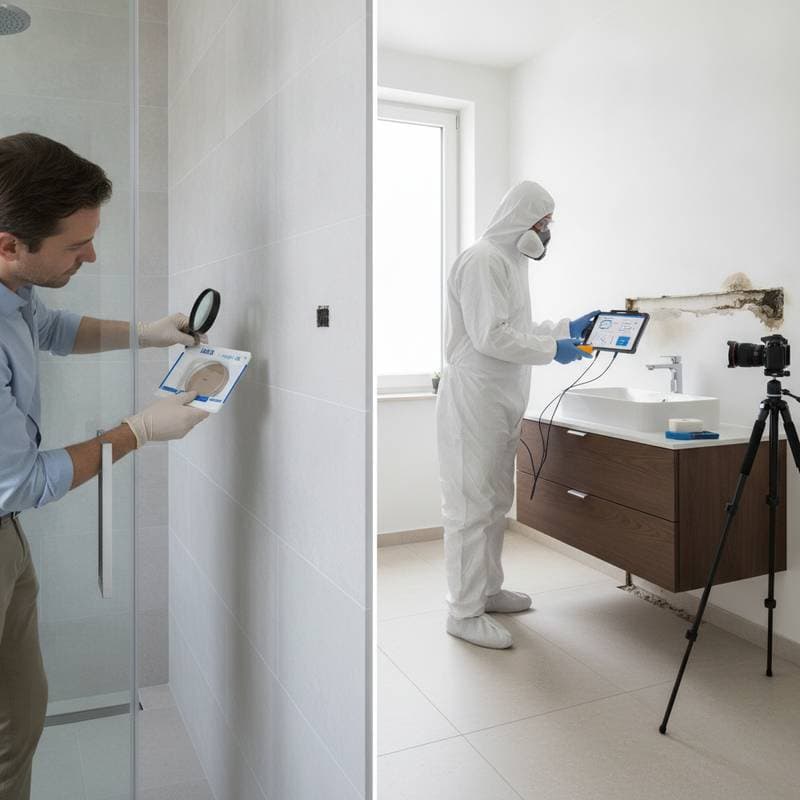
Monitor for subtle indicators like discoloration near walls after storms. Promptly address spills to avoid residue buildup. These practices extend material lifespan and support ongoing insurance qualifications.
Enhancing Home Resilience Through Informed Choices
Adopting flood-resistant flooring empowers homeowners to fortify their properties against inevitable threats. This decision fosters peace of mind, knowing investments yield both practical safeguards and economic returns. By aligning material selection with personal needs, individuals build lasting security in unpredictable climates.