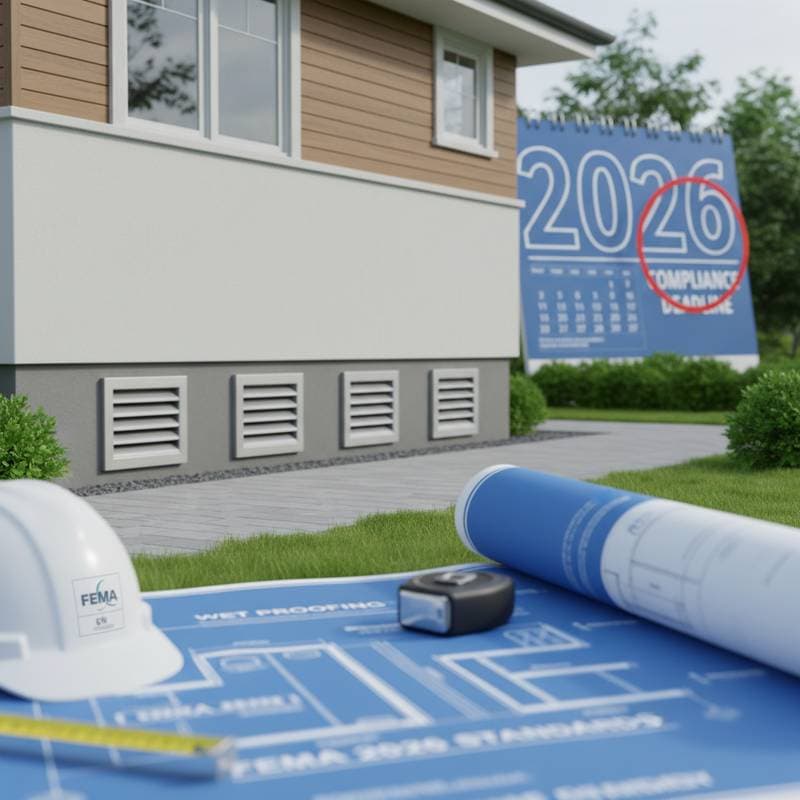
FEMA's 2026 Flood Vent Rules You Need to Know Now
FEMA 2026 updates will tighten flood vent certification and wet proofing standards. Homeowners in flood zones can prepare now to control costs and maintain coverage.
Katlyn Polino•Jul 6
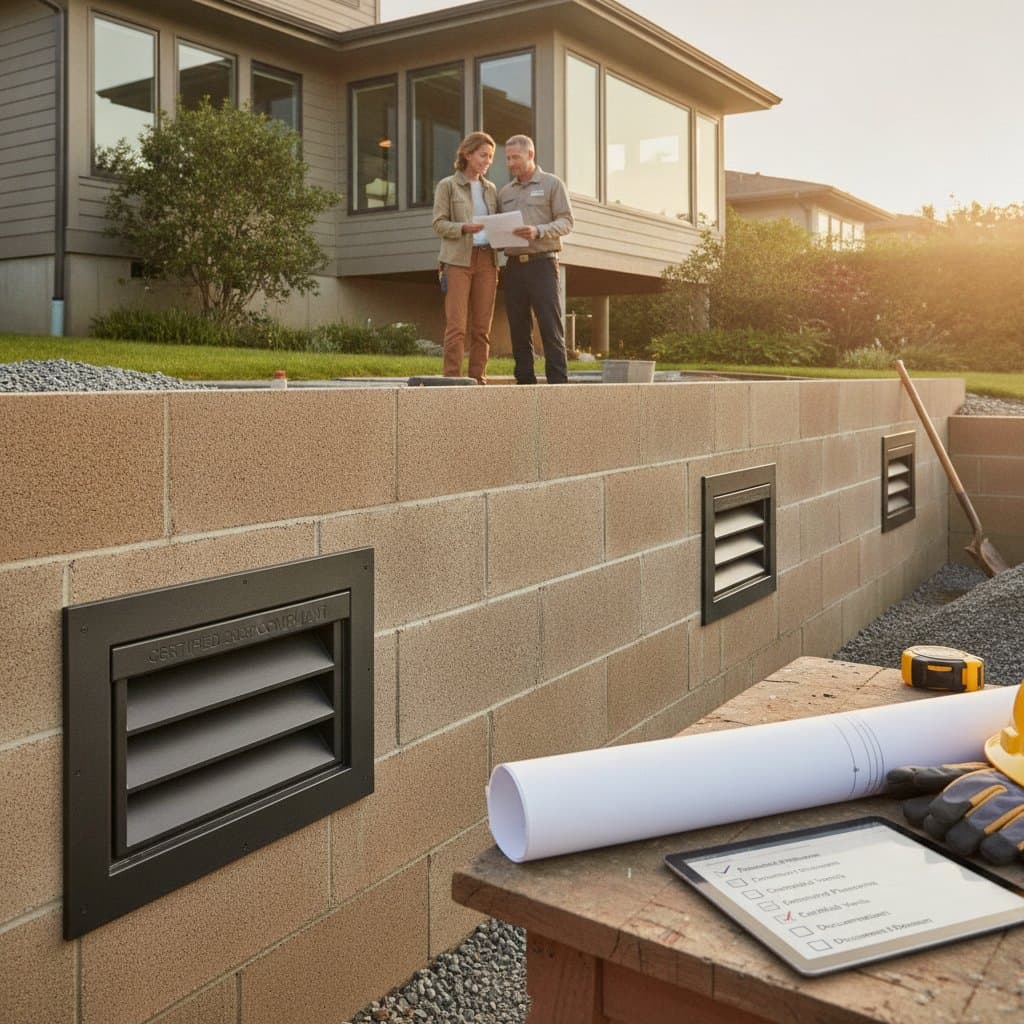
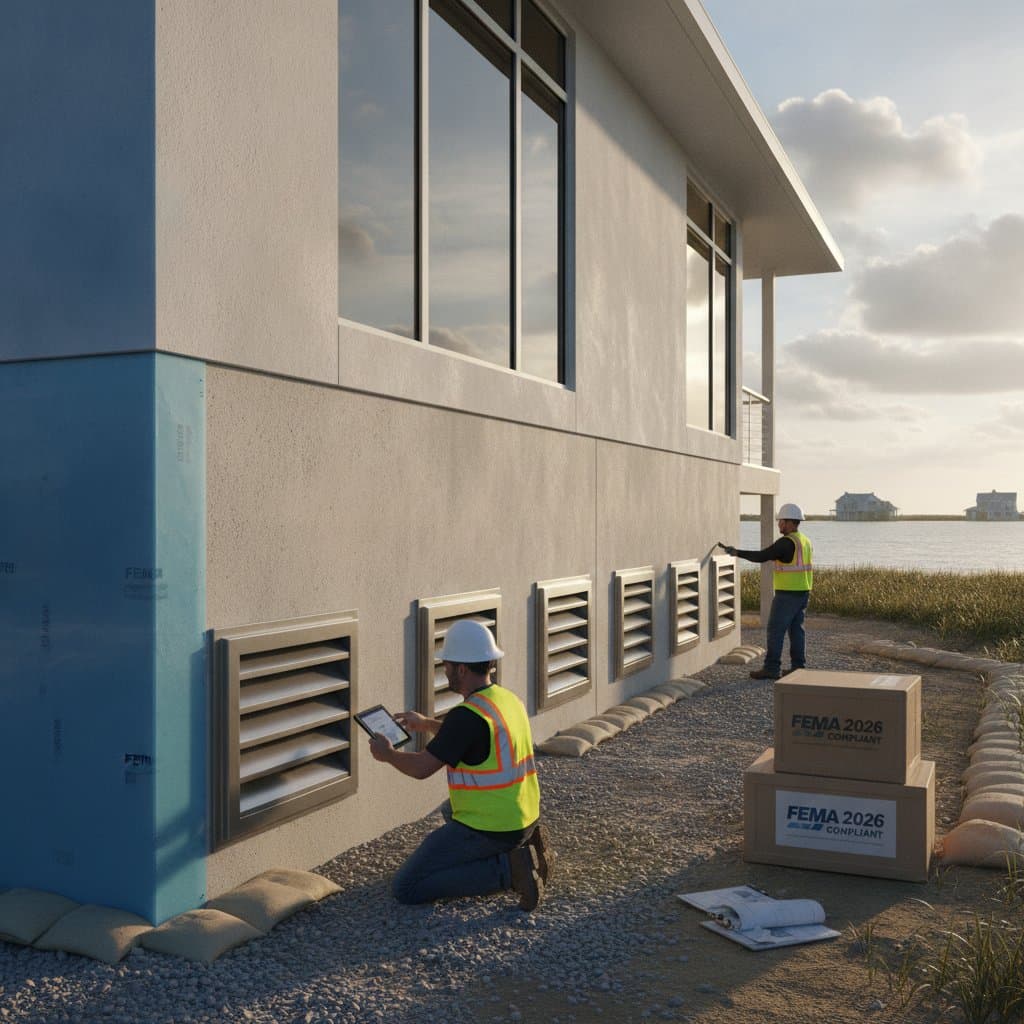
Updated 2026 flood vent rules change foundation compliance for homes in flood zones. Stricter certification, installation standards, and maintenance duties affect renovations, insurance rates, and resale value. Homeowners can budget effectively, avoid compliance issues, and maintain certified vent systems through targeted planning.
Explore our collection of flood vents related content
FEMA 2026 updates will tighten flood vent certification and wet proofing standards. Homeowners in flood zones can prepare now to control costs and maintain coverage.
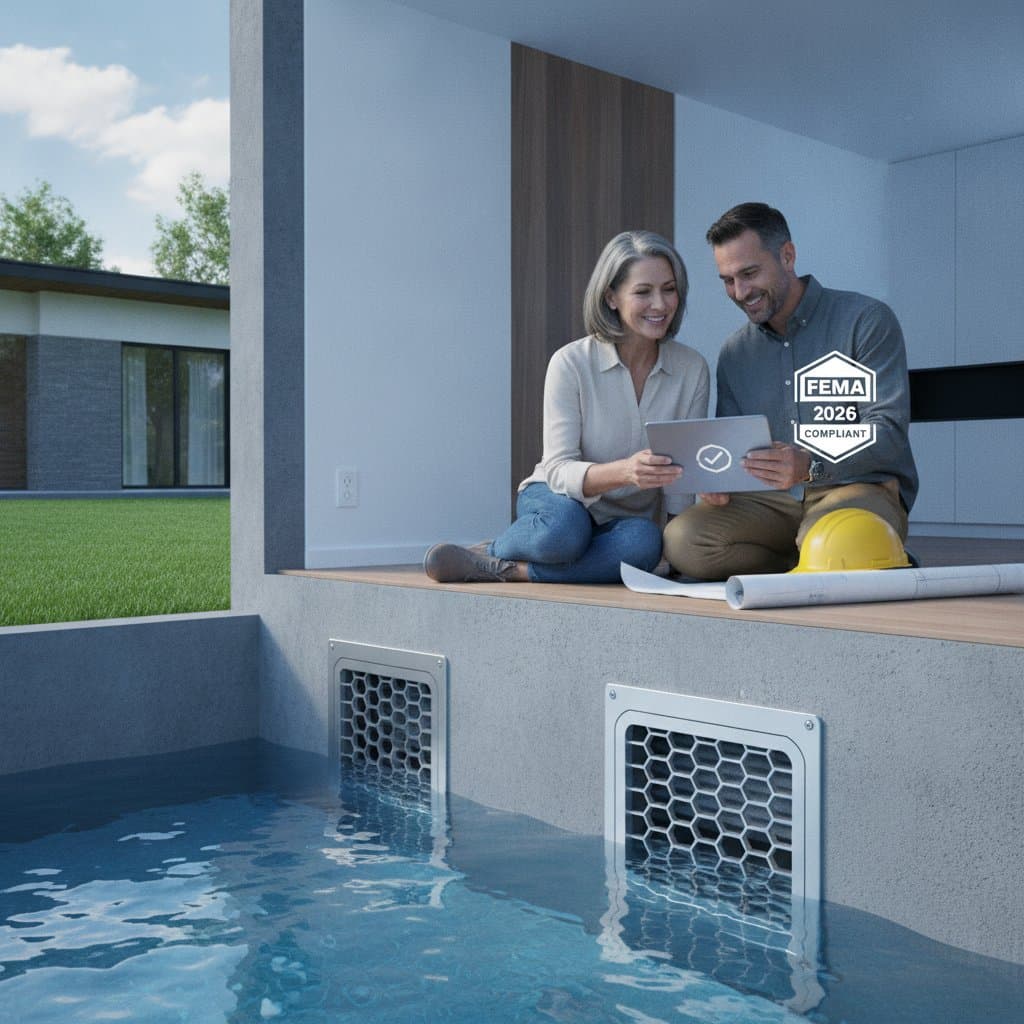
FEMA 2026 updates tighten standards for flood vents and wet-proofing, reshaping compliance for flood-prone homeowners. The new guidelines emphasize certified materials, verified performance, and proper documentation to boost safety and lower insurance costs. Learn how these changes impact installation, costs, and maintenance, and how early upgrades can protect your investment.
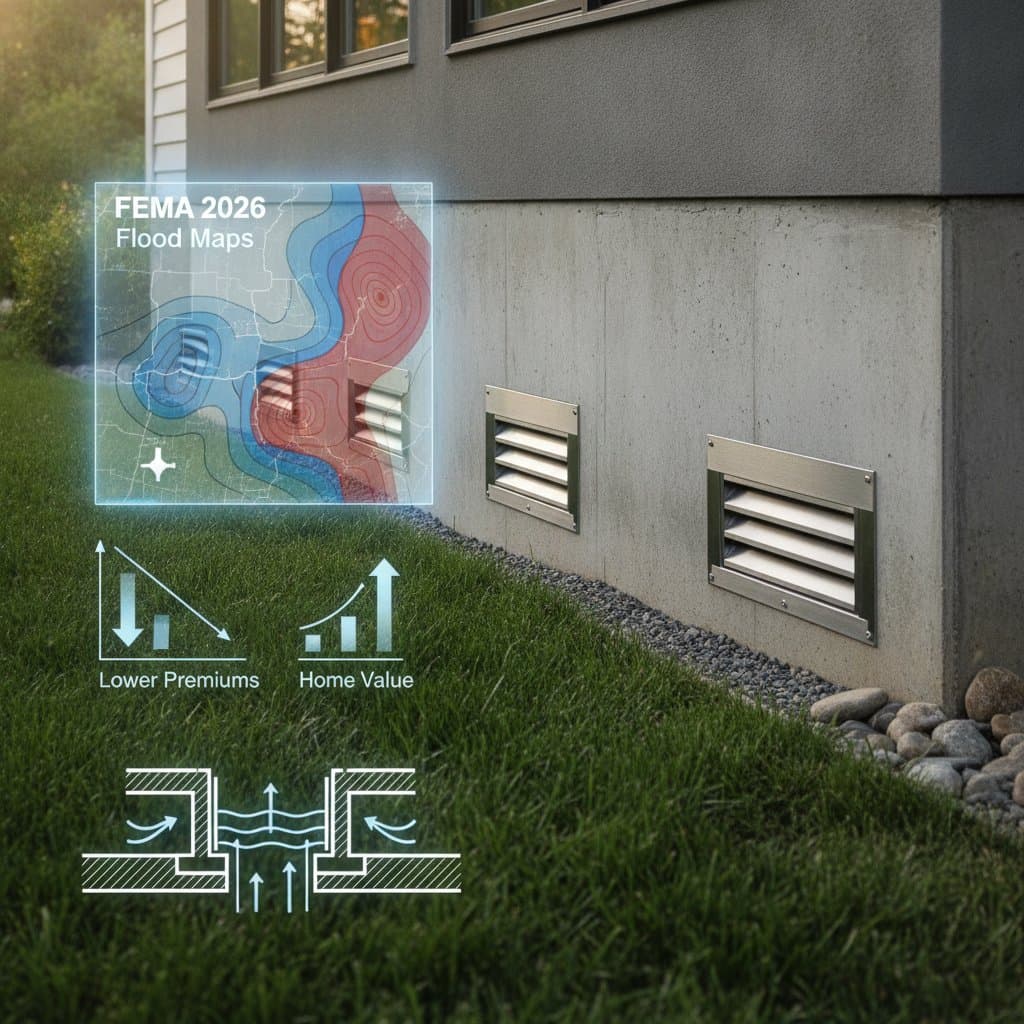
FEMA 2026 flood maps will place more homes in high risk zones. Flood vents protect foundations, reduce premiums, and meet upcoming code requirements. Review costs, installation steps, and maintenance practices to stay compliant.
FEMA 2026 floodplain updates tighten flood vent and wet-proofing standards. These revisions influence insurance eligibility, retrofit expenses, and construction methods for homes in flood zones.
New FEMA flood vent rules arriving in 2026 will reshape wet proofing requirements, insurance premiums, and compliance standards for flood zone homes. Homeowners should verify vent certifications, plan upgrades, and budget early to avoid costly retrofits or fines.
FEMA 2026 code updates introduce stricter standards for flood vents and wet-proofing. Homeowners gain clearer compliance rules, certified materials, and design strategies that reduce damage and insurance costs.
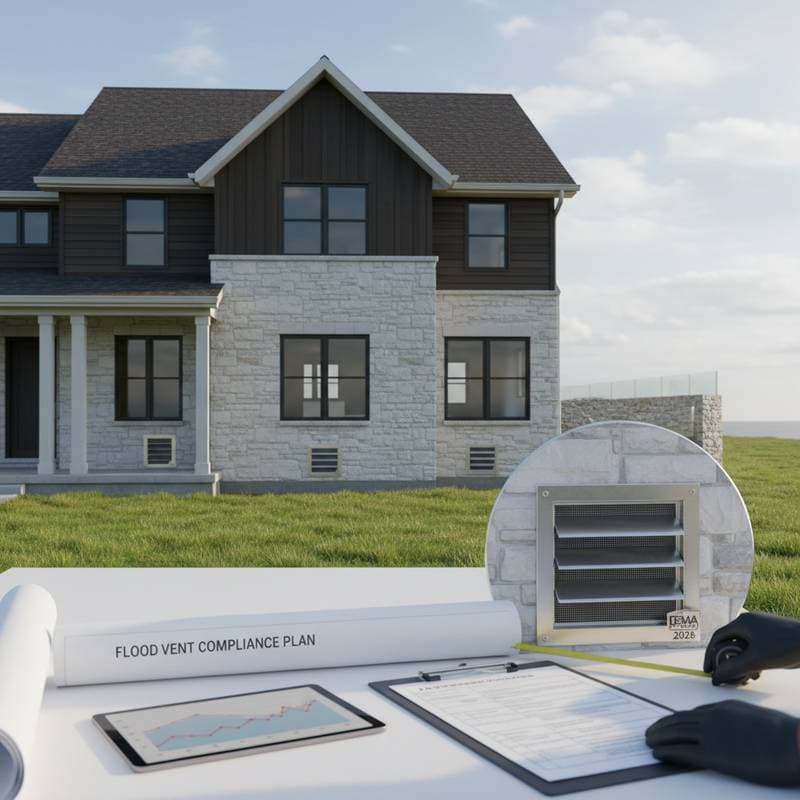
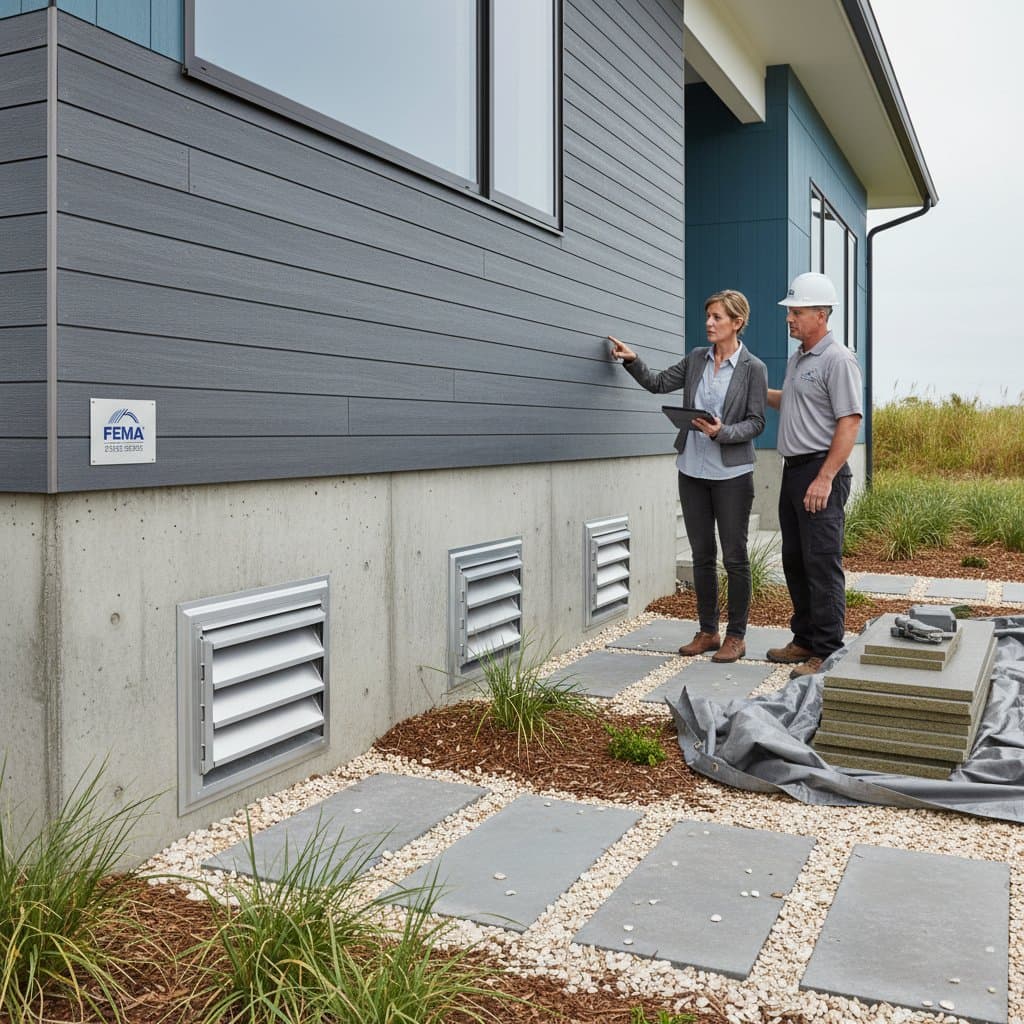
FEMA 2026 flood vent rules introduce stricter certification, labeling, and installation requirements that influence insurance rates and property transactions. This guide covers compliant vent features, real costs, and maintenance practices that protect foundations and support long-term savings.
FEMA 2026 updates shift flood vent and wet proofing standards toward verified performance. Homeowners and builders face stricter certification, sizing, and documentation rules that improve resilience and insurance outcomes.
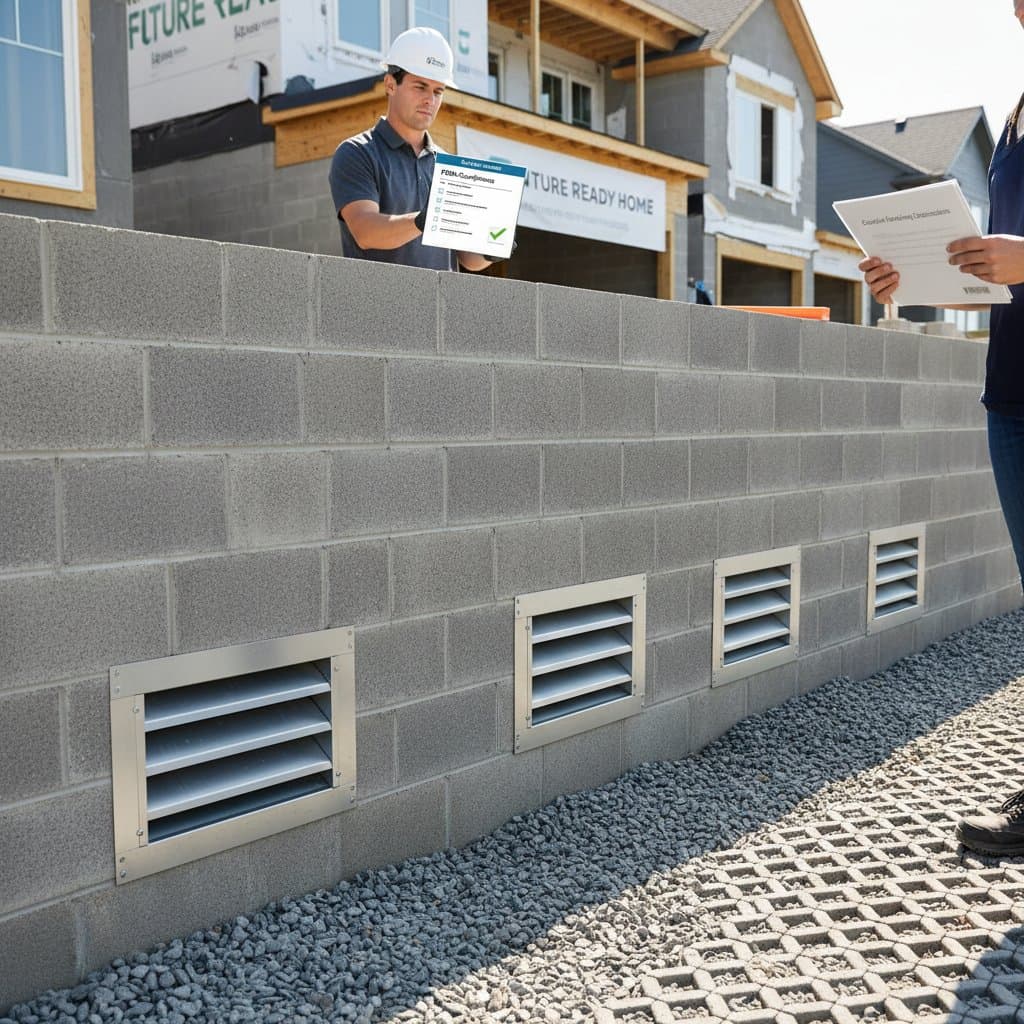
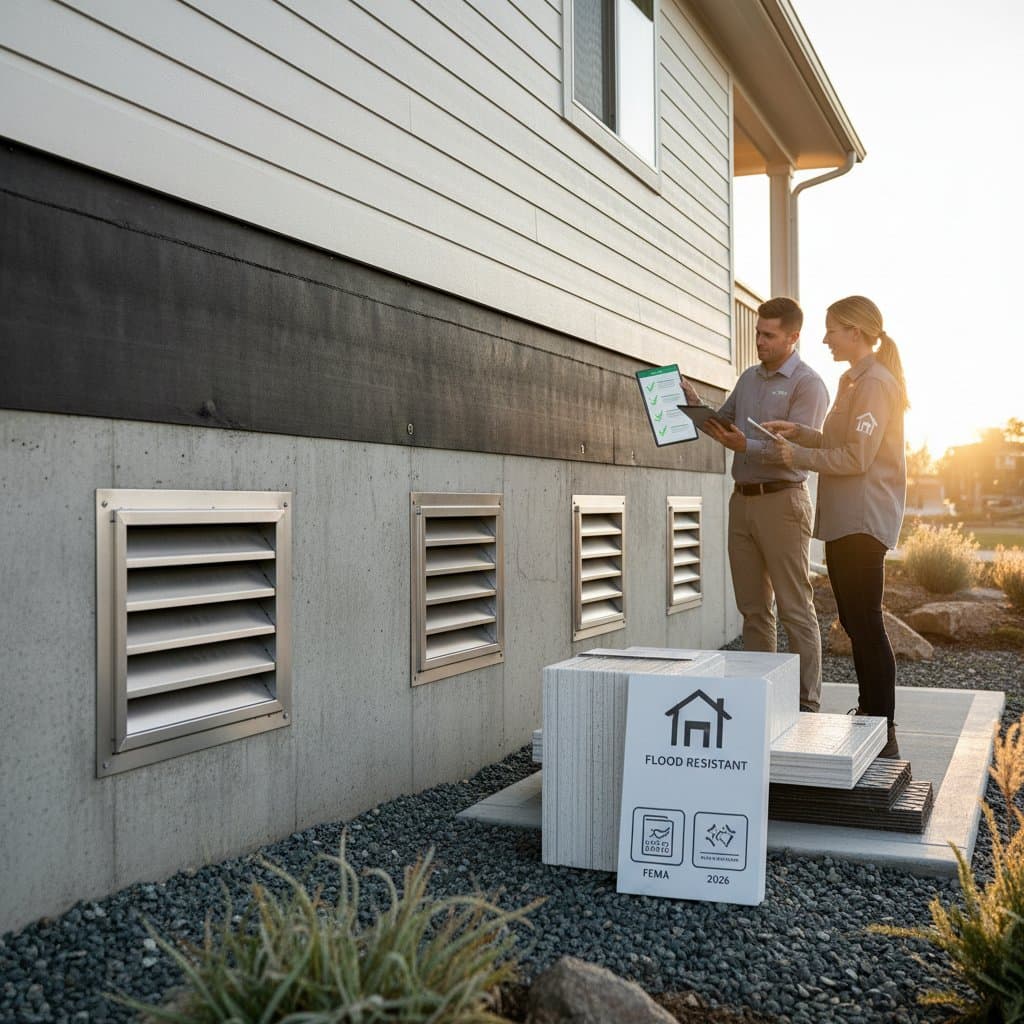
FEMA 2026 updates require certified flood vents, stricter documentation, and durable wet proofing materials. Homeowners and builders must verify compliance, improve drainage, and maintain records to boost safety and property value.
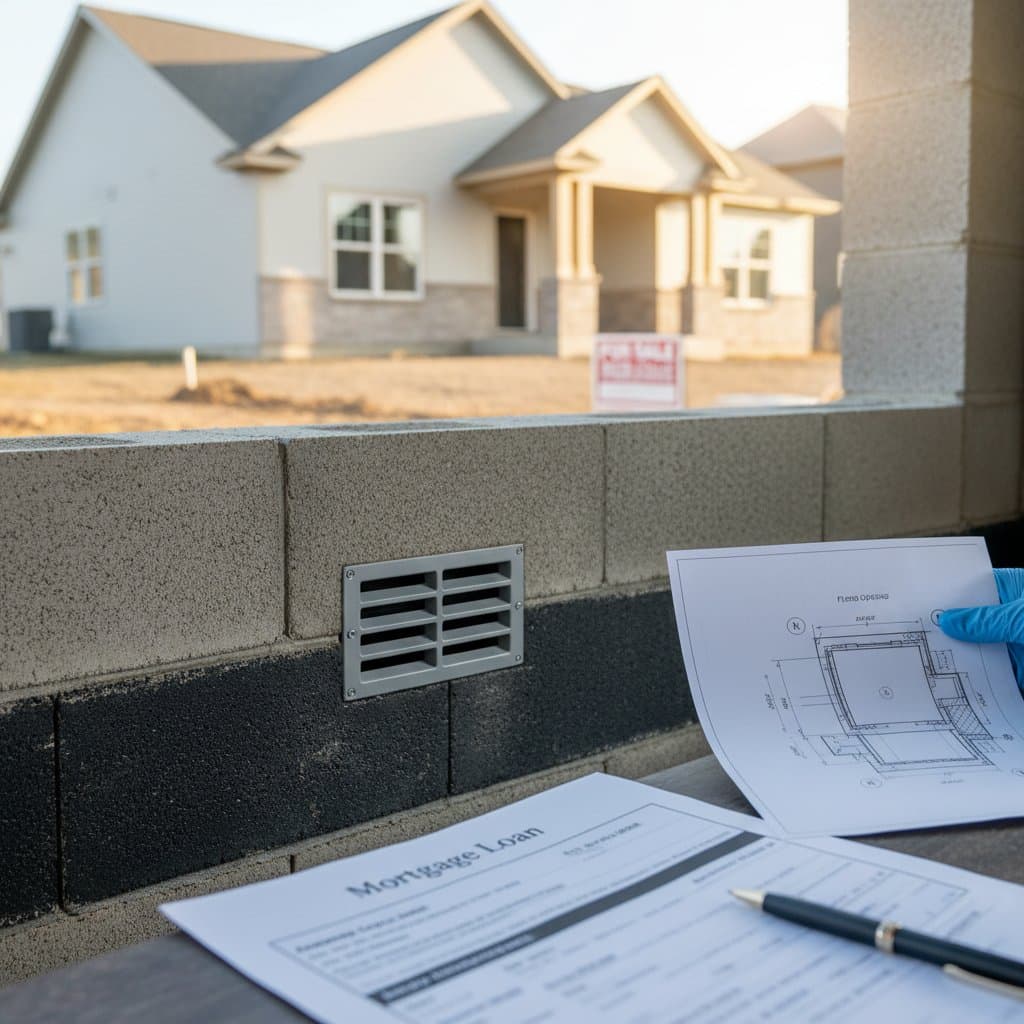
Effective January 2026, homes in flood zones must feature compliant flood vents and wet-proofing for mortgage approval. This guide explains identification, installation options, maintenance tips, and cost-saving strategies to enhance property resilience and meet lending criteria.
FEMA's 2026 floodplain management revisions introduce stricter requirements for engineered flood vents and effective wet-proofing to bolster home protection against flooding. These measures enhance structural integrity, cut down on repair expenses, and could lead to insurance savings. Property owners in high-risk areas must evaluate their setups promptly to maintain value, prioritize safety, and sidestep expensive modifications down the line.
FEMA's 2026 revisions clarify flood vent and wet-proofing standards, easing compliance for homeowners. This guide covers selecting durable materials, routine upkeep, and expert intervention to avert damage, lower premiums, and enhance flood resilience.
FEMA's 2026 flood vent updates enhance resilience in flood zones by improving vent standards, materials, and wet-proofing integration. Explore compliance essentials, property assessments, DIY upgrades, and professional strategies to safeguard your home and reduce risks effectively.
FEMA introduces stricter 2026 standards for flood vents and wet-proofing in high-risk areas. Homeowners must install certified vents, use durable materials, and follow precise guidelines to achieve compliance, secure flood insurance, and minimize costs from water damage.
The 2026 FEMA flood vent code revisions introduce rigorous standards for testing, certification, and installation to enhance flood resilience in vulnerable homes. Homeowners who act promptly can sidestep expensive upgrades, maintain insurance coverage, and minimize flood damage risks. Explore detailed changes, cost factors, savings strategies, and proactive measures to safeguard your investment.
FEMA's upcoming 2026 flood vent standards promise lower insurance rates and stronger foundations for at-risk homes. This guide covers compliance essentials, installation options, cost factors, and strategies for rapid returns on investment while building lasting flood resistance.
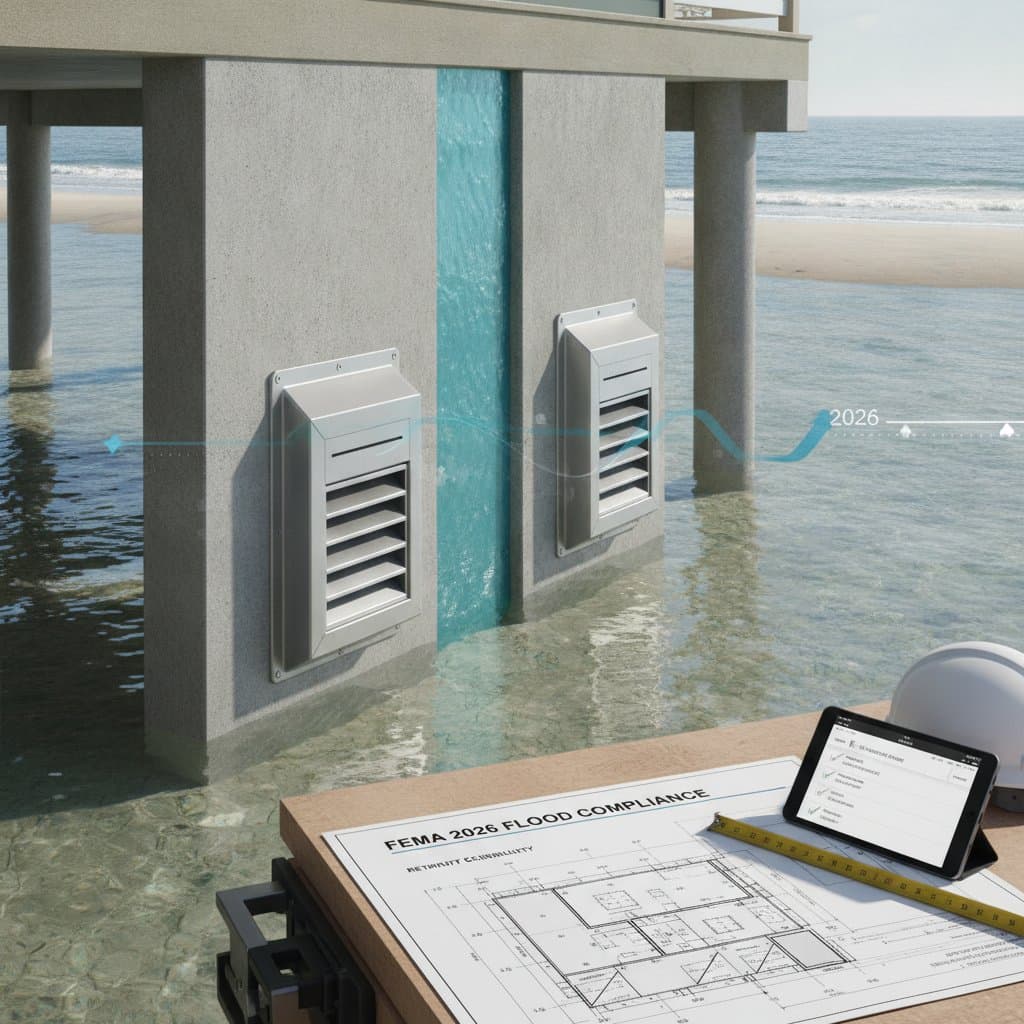
The 2026 FEMA flood vent updates establish mandatory standards for wet-proofing, influencing safety, insurance eligibility, and building codes. Homeowners benefit from certified vents that enable automatic pressure equalization, with installation costs influenced by material and location. Proactive steps, including regular maintenance, ensure long-term property protection and potential premium reductions.
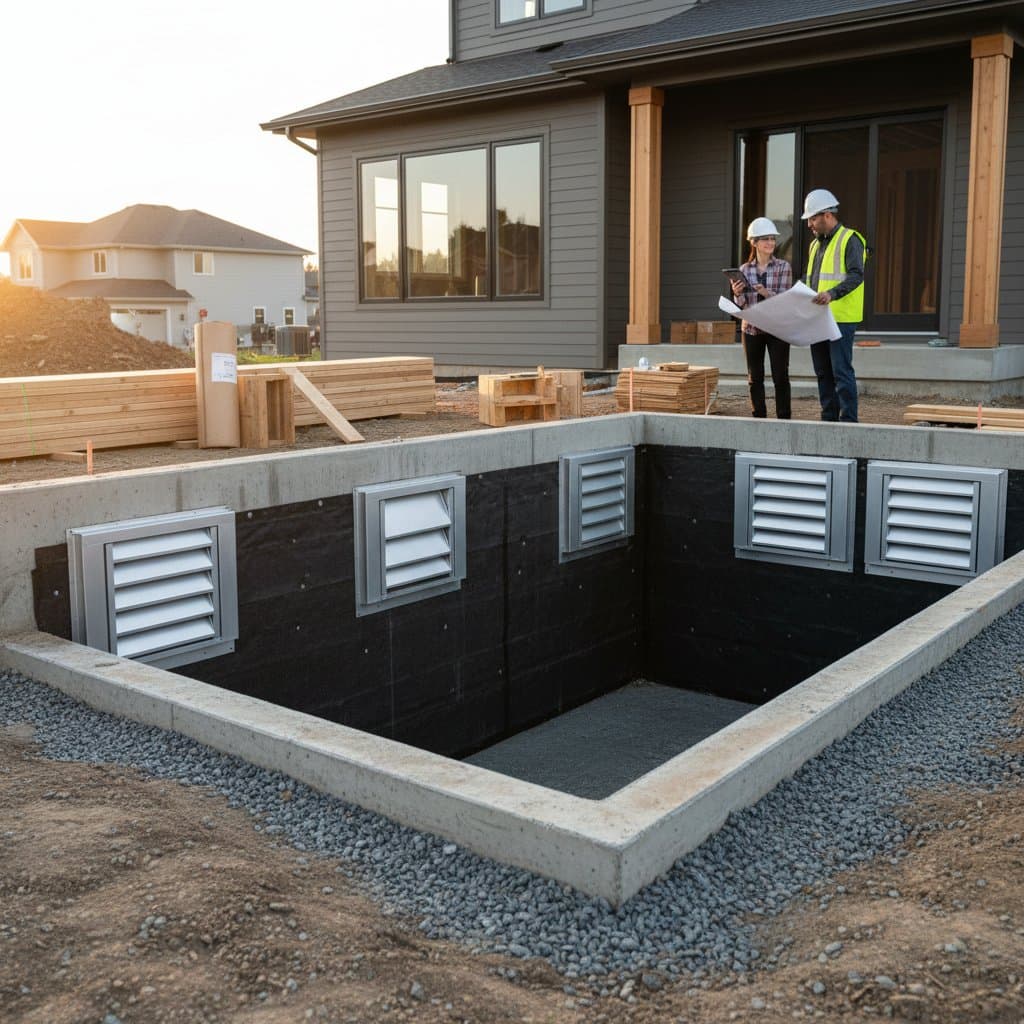
2026 building codes elevate basement flood safeguards with mandatory flood vents, superior waterproofing, and enhanced drainage. Homeowners benefit from actionable maintenance, affordable upgrades, and expert guidance to ensure dryness, safety, and code adherence while preserving home value.
The 2026 FEMA flood vent updates transform flood zone property management, mandating certified vents for pressure equalization and structural protection. This guide covers requirements, installation costs, savings strategies, and maintenance essentials to help homeowners achieve compliance and reduce risks.