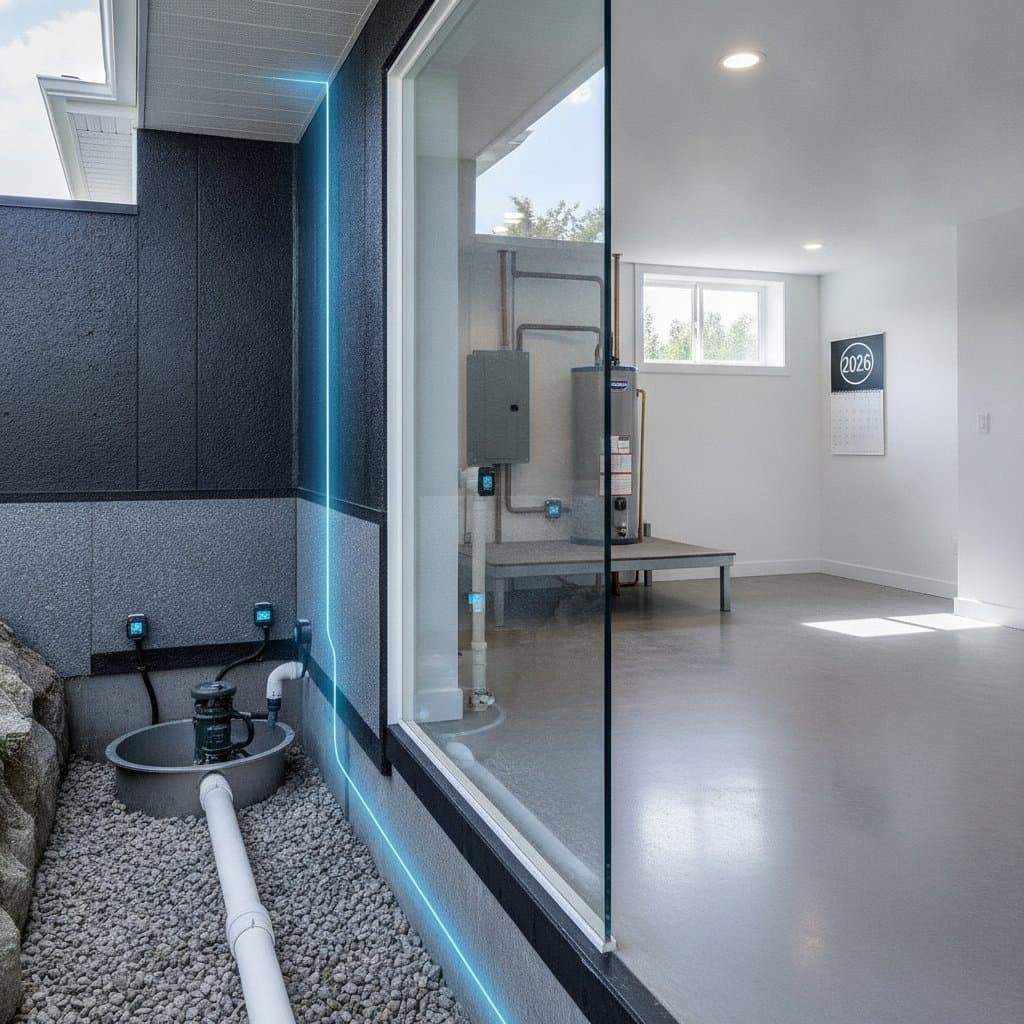
Key Takeaways
- FEMA updates emphasize performance testing and consistent certification for flood vents and wet proofing systems.
- Requirements will apply to new construction as well as retrofits in designated flood zones.
- Homeowners gain clearer rules for vent sizing, placement, and ongoing maintenance that support both safety and insurance compliance.
Understanding the Updated Standards
FEMA is tightening performance requirements for flood vents while clarifying acceptable wet proofing methods. The goal centers on reducing structural damage from water pressure and ensuring inspections produce reliable results. These revisions apply to homes and accessory structures located in flood zones. Design priorities now favor measurable outcomes over basic adherence to prior guidelines.
Vents must demonstrate effective pressure equalization during flood events. Wet proofing systems require proof that selected materials withstand repeated exposure without losing structural integrity. Certification processes will follow uniform testing protocols across manufacturers. Local building departments receive standardized checklists that simplify approval procedures.
Reasons Behind the Revisions
Existing installations sometimes failed during actual floods despite meeting earlier rules. Data revealed problems with vent placement, inadequate opening sizes, and unsuitable materials below base flood elevation. Revised guidance encourages designs that address realistic water loads instead of minimum thresholds. Updated climate patterns and contemporary building products further support the shift toward dynamic flood management.
Revised Flood Vent Specifications
Vents receive ratings based on specific square footage coverage. Calculations now incorporate water entry and exit patterns rather than a fixed ratio alone. Structures with multiple enclosed spaces or complex foundations require customized layouts. Balanced placement across exterior walls becomes mandatory. Regular inspections form part of ongoing compliance.
Third party verification replaces manufacturer self certification. Products that resist debris blockage receive preference. The following table summarizes key differences.
| Feature | Previous Standard | Updated Standard |
|---|---|---|
| Sizing | General ratio per area | Performance based calculation |
| Certification | Manufacturer self certification | Verified third party testing |
| Placement | Any exterior wall | Balanced distribution required |
| Maintenance | Optional | Regular inspection required |
Wet Proofing Requirements
Wet proofing now demands evidence of both durability and post flood recoverability. Materials must resist water absorption and retain integrity after repeated exposure. Acceptable options include sealed concrete coatings, marine grade plywood, and closed cell insulation. Builders must supply product data and exposure test results during permitting.
Homeowners undertaking retrofits should retain installation records and material specifications. Practical steps include annual vent inspections, selection of cleanable finishes such as epoxy coatings, and documentation of all work performed.
Effects on Insurance and Resale Value
Properties meeting the new criteria often qualify for reduced flood insurance premiums. Buyers increasingly request proof of compliance when evaluating homes in flood prone areas. Noncompliant structures may face coverage restrictions or mandatory upgrades at the time of sale. Confirm plans align with updated definitions before starting renovations or additions.
Answers to Frequent Questions
Do existing flood vents require replacement? Systems that satisfy performance criteria and receive proper maintenance may remain acceptable. Verify certification details with local building officials.
Is wet proofing permitted in finished basements? Approved materials rated for periodic water exposure allow this option. Standard drywall and carpet generally do not qualify unless specifically tested for flood recovery.
How frequently should vents undergo inspection? Perform checks at least annually and after significant storms. Confirm that openings remain clear and operable.
Do detached garages and sheds fall under the same rules? Enclosed accessory structures within flood zones must follow identical venting and wet proofing standards.
What cost changes accompany the new requirements? Third party testing and upgraded materials typically raise prices by 10 to 20 percent. Long term insurance savings and improved resilience offset the initial difference.
Preparing Properties for Compliance
Review current installations against the performance criteria outlined above. Consult local officials early when planning modifications. Maintain thorough records to support future insurance reviews and property transactions.