2026 FEMA Changes for Flood Vents and Wet-Proofing
Floods remain one of the most damaging natural events for homeowners. For properties in flood-prone areas, proper venting and wet-proofing protect your structure, reduce insurance costs, and safeguard your investment. The Federal Emergency Management Agency is updating its floodplain management guidelines. These changes will affect how homeowners design, install, and maintain flood vents and wet-proofing systems.
Understanding what these updates mean can help you stay compliant, avoid penalties, and improve your home resilience against future flooding.
Why FEMA Updates Matter
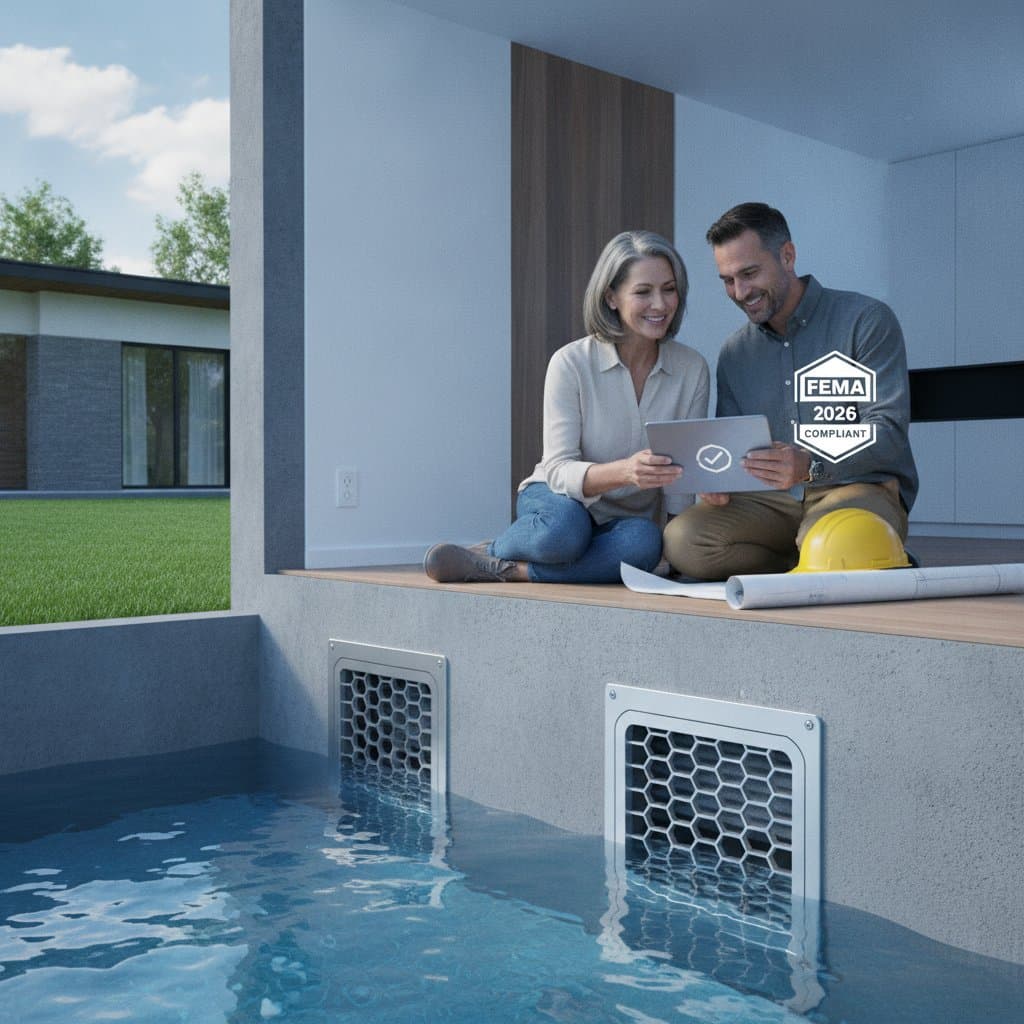
FEMA floodplain guidelines influence how local building departments define compliance across the country. The new updates strengthen standards for flood vents and wet-proofing materials. The goal is to improve structural safety in flood zones. They also ensure that enclosed spaces below base flood elevation can handle floodwater pressure without structural failure.
For homeowners, this means more detailed installation requirements, expanded definitions for compliant vents, and stricter inspection criteria. These updates encourage the use of certified flood vents that meet testing and performance standards verified by third-party laboratories.
Cost Breakdown
Flood Vent Installation
- Basic vents: 200 to 400 dollars per unit
- Automatic vents: 450 to 700 dollars per unit
- Labor: 600 to 1200 dollars depending on wall material and accessibility
Wet-Proofing Upgrades
- Water-resistant insulation and wallboard: 1000 to 2000 dollars
- Sealants and barrier coatings: 500 to 1500 dollars
- Foundation sealing or sump systems: 1500 to 3000 dollars
A typical homeowner might spend between 3000 and 6000 dollars for a full retrofit that covers both venting and wet-proofing improvements. The cost varies based on home size, slope, and existing drainage systems.
FEMA New Focus Areas
The upcoming FEMA updates place more emphasis on performance verification and maintenance documentation. Homeowners will need to show that flood vents are not just installed, but also functional and tested. Expect clearer language about vent placement, number of openings, and minimum square inch requirements per enclosed area.
Wet-proofing updates encourage the use of materials rated for water exposure. They discourage the use of absorbent insulation or untreated wood below flood elevation. The new guidance may also require more detailed elevation certificates and updated flood insurance documentation.
DIY Versus Professional Installation
Some homeowners consider installing flood vents on their own, especially in accessible areas. While basic vent replacement might be manageable, interpreting FEMA detailed vent spacing and elevation requirements can be challenging. Wet-proofing involves sealing materials, drainage adjustments, and sometimes electrical modifications, which require professional expertise.
DIY Tasks
- Replacing damaged vent covers
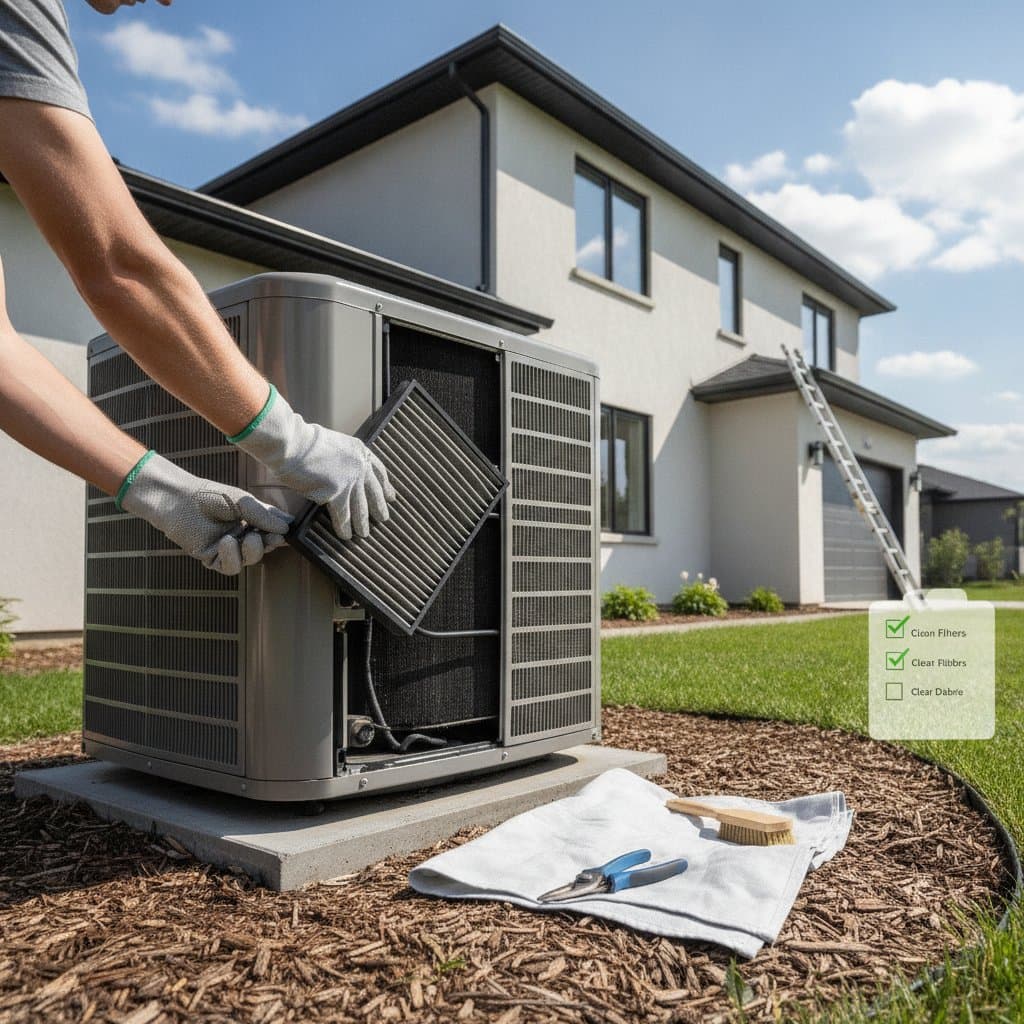
- Cleaning existing vents of debris
- Applying basic waterproof coatings to interior walls
Professional Tasks
- Installing new vent openings in foundation walls
- Upgrading structural materials to water-resistant types
- Completing elevation and compliance documentation
Hiring a licensed contractor ensures your project passes inspection and meets all FEMA and local floodplain rules.
Questions to Ask Your Contractor
- Are you familiar with FEMA latest flood vent standards?
- Do you use certified flood vent products?
- Can you provide a compliance inspection report after installation?
- How do you handle existing structural damage or uneven foundations?
- Will this project qualify for insurance or government rebates?
Asking these questions upfront helps you avoid noncompliance and unnecessary rework later.
Maintaining Your Investment
Once your flood vents and wet-proofing systems are installed, routine maintenance protects your investment. Inspect vents for debris, corrosion, or insect nests at least twice a year. Clean them thoroughly so water can flow freely. Check for cracks in coatings or sealants and reapply as needed. If your property experiences minor flooding, have a professional inspect all vents afterward to ensure they still function properly.
Keeping detailed maintenance records also helps during insurance renewals or property sales. FEMA updated guidelines encourage documentation to prove ongoing compliance. This documentation can help you maintain lower insurance costs.
Preparing for the Next Flood Season
FEMA updates reinforce the need for proactive flood preparation. Start by reviewing your home elevation certificate and identifying any low-lying areas that might need venting upgrades. Schedule an inspection with a qualified contractor who understands both local building codes and FEMA floodplain rules. Ask for a written plan that includes materials, vent counts, and estimated costs.
Once upgrades are complete, notify your insurance provider and update your flood policy records. Accurate documentation can lead to lower premiums and faster claims processing after a flood event.
Next Steps for Homeowners
Flood vent and wet-proofing updates protect your home and family from costly structural damage. Staying informed and acting early helps you avoid rushed installations and inspection delays. If your property is in a flood-prone area, schedule a consultation with a certified flood mitigation contractor. By upgrading now, you strengthen your home defenses, reduce long-term maintenance costs, and gain peace of mind knowing your property meets the latest FEMA compliance guidelines.