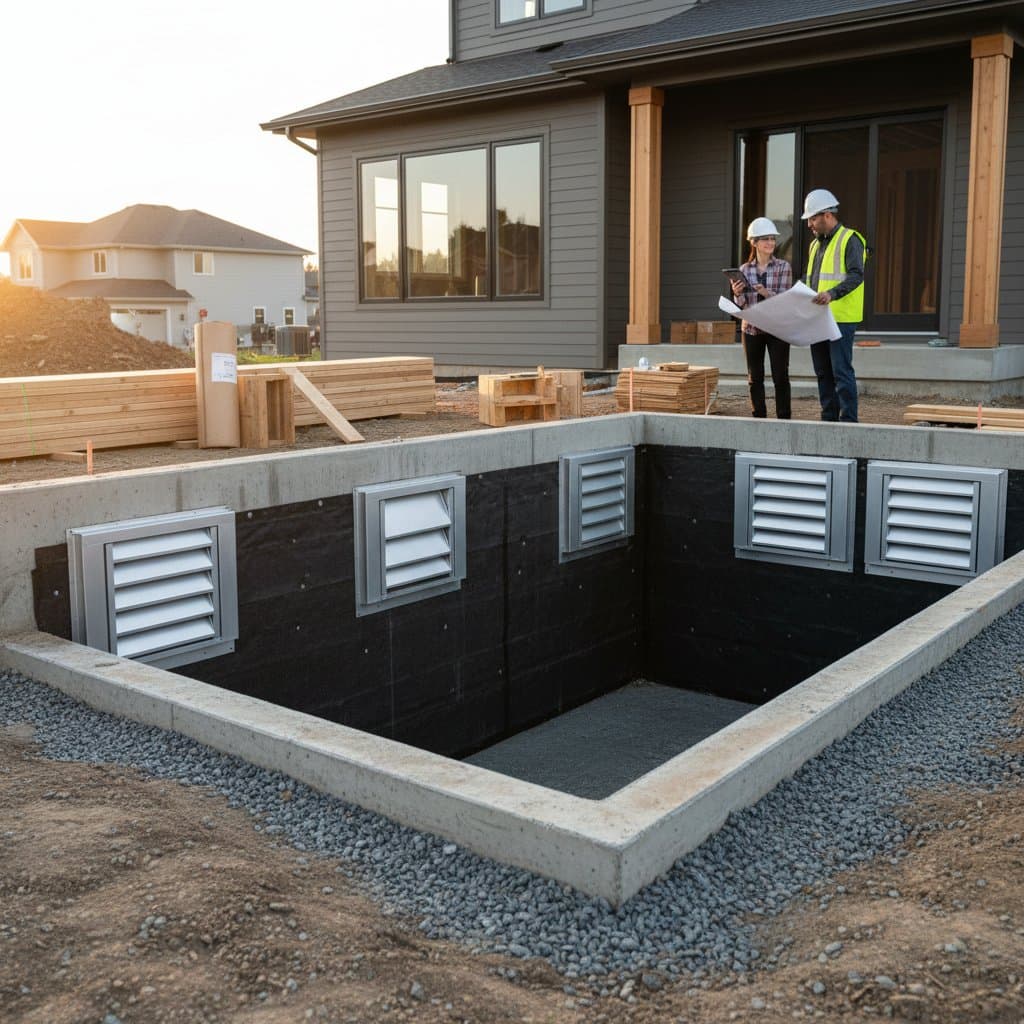
Understanding FEMA's New Flood Vent Requirements
Flood vents play a crucial role in protecting structures in flood-prone areas by allowing water to flow through enclosed spaces, such as crawlspaces or garages, to equalize pressure and minimize structural damage. The Federal Emergency Management Agency (FEMA) has introduced updates effective in 2026 that refine these requirements under the National Flood Insurance Program (NFIP). These changes focus on enhancing vent performance, material durability, and installation standards to better safeguard homes and reduce insurance risks.
Homeowners and builders must understand these updates to ensure compliance, avoid costly fines, and qualify for flood insurance discounts. This guide explains the key aspects of the new rules, their implications, and practical steps for preparation.
What Are Flood Vents and Why Do They Matter?
Flood vents, also known as breakaway walls or flood openings, permit the free passage of floodwaters in elevated buildings or enclosures below the base flood elevation. Without them, rising water can exert immense hydrostatic pressure, leading to foundation cracks, wall failures, or complete structural collapse.
In flood zones designated by FEMA, buildings constructed or substantially improved after specific dates must incorporate these vents. The 2026 updates build on existing guidelines from the NFIP's Technical Bulletin 1, emphasizing vents that automatically or mechanically open during floods to prevent debris buildup and ensure reliable operation.
These requirements not only protect lives and property but also influence flood insurance premiums. Properties with compliant flood-proofing features often receive lower rates, providing long-term financial benefits.
Key Changes in the 2026 FEMA Flood Vent Rules
The 2026 revisions introduce stricter criteria for vent design, testing, and integration with wet-proofing strategies. One major update requires vents to achieve a minimum net area of one square inch per square foot of enclosed area, up from previous allowances in some cases.
Materials must now withstand corrosion, UV exposure, and mechanical stress for at least 10 years. Engineered vents, certified to FEMA standards, replace many generic options, ensuring they function without power or human intervention during emergencies.
Wet-proofing complements these vents by using water-resistant materials in lower levels, such as sealed concrete floors and moisture-barrier walls. The new rules mandate that wet-proofed enclosures pair with vents to create a comprehensive flood-resistant system, reducing the risk of mold and long-term deterioration.
How These Rules Impact Your Home and Compliance
For homeowners in special flood hazard areas (SFHAs), non-compliance can result in denied insurance claims or mandatory retrofits during property sales. The updates affect new constructions most directly, but existing homes undergoing renovations exceeding 50 percent of their market value must also meet the standards.
Building materials face scrutiny: traditional wood framing in vented areas must yield to pressure-treated lumber or composites that resist water damage. Vent performance testing now includes simulations of debris-laden floods, ensuring reliability in real-world scenarios.
Compliance involves obtaining a floodplain development permit and certification from a licensed engineer. Local building officials enforce these rules, often requiring documentation that vents meet or exceed FEMA's elevation-free design criteria.
Assessing Your Property's Current Setup
Start by reviewing your property's flood zone status using FEMA's Flood Map Service Center, accessible through local emergency management offices. Identify enclosed areas below the base flood elevation, such as garages or storage spaces, that require venting.
Inspect existing vents for size, operability, and material condition. Calculate the required net open area: for a 400-square-foot garage, you need at least 400 square inches of vent space, distributed on at least two walls to promote cross-flow.
Document any wet-proofing elements, like drainage systems or sump pumps, to see how they align with the new integrated approach. If your home predates these rules, note potential upgrade paths to avoid future compliance issues.
Actionable Steps for Preparation and Upgrades
Evaluate and Plan
Consult your local floodplain administrator to confirm applicable requirements for your area. Gather blueprints or as-built drawings to map out enclosure sizes and current features.
Budget for assessments: a professional inspection costs between $300 and $800, providing a detailed report on compliance gaps.
DIY Options for Minor Adjustments
For simple installations, select FEMA-compliant vents rated for your enclosure type. Measure openings precisely and install vents at the lowest point of walls, ensuring they remain unobstructed.
Use corrosion-resistant screens to deter pests while maintaining airflow. Seal around vent frames with waterproof caulk to prevent incidental water entry during non-flood events.
Test vents seasonally by simulating water flow with a hose, verifying automatic mechanisms activate without sticking.
Cost-Effective Upgrades
Opt for modular vent systems that snap into standard wall openings, reducing labor costs to under $200 per unit. Pair with affordable wet-proofing like epoxy-coated floors, which add $1 to $3 per square foot.
Seek incentives: many states offer grants or tax credits for flood mitigation, potentially covering 20 to 50 percent of upgrade expenses.
Prioritize high-risk areas first, such as coastal properties where storm surges amplify flood forces.
When to Involve Professionals
Complex installations, like retrofitting elevated foundations or integrating smart vents with home automation, demand expert input. Hire engineers or contractors certified in NFIP compliance to design systems that pass inspections.
Professionals handle permitting, ensuring vents meet local codes that may exceed FEMA minimums. Expect costs of $5,000 to $15,000 for full enclosures, depending on size and location.
Post-installation, schedule annual maintenance checks to confirm ongoing functionality, especially after major storms.
Securing Your Investment Against Flood Risks
Implementing these FEMA updates transforms potential vulnerabilities into resilient features, preserving your home's value and insurability. Proactive steps not only meet regulatory demands but also enhance overall safety for occupants.
By aligning with the 2026 standards, you position your property to withstand evolving climate challenges. Regular vigilance and timely upgrades ensure lasting protection, turning flood preparedness into a strategic advantage for your family's future.